
 EN
EN
 ar
ar bg
bg hr
hr cs
cs da
da nl
nl fi
fi fr
fr de
de el
el hi
hi it
it ko
ko no
no pl
pl pt
pt ro
ro ru
ru es
es sv
sv tl
tl iw
iw id
id lv
lv lt
lt sr
sr sk
sk sl
sl uk
uk vi
vi et
et hu
hu th
th tr
tr fa
fa ms
ms hy
hy ka
ka ur
ur bn
bn mn
mn ta
ta kk
kk uz
uz ku
ku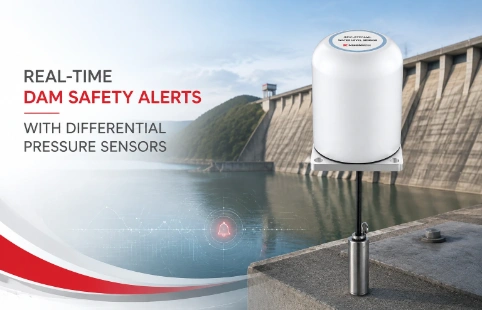
Real-Time Dam Safety Alerts with Differential Pressure Water Level Sensors
Key Takeaways An alert chain needs more than a sensor: define field in...

Wide-Range Differential Pressure Hydrostatic Level Sensor for Depth and Level Monitoring
Most hydrostatic level sensors work fine until the range gets wide and the environment gets messy. With differential pressure designs, small drift or a clogged reference tube can throw off readings. It’s a frustration that monitoring engineers know well. Kingmach approaches this differently. Instead of offering a single universal sensor, we configure each wide-range unit for the actual site conditions—whether that means a deep borehole with silty water, a chemical tank with vapor, or a fast-changing river stage. The sensing element and housing materials are matched to the application, and the differential pressure port is protected against condensation and debris. This sensor isn’t about lab specs; it’s about stable numbers you can trust when the installation isn’t perfect and the range spans tens of meters.
Technical Detail
In continuous level monitoring, a wide-range differential pressure hydrostatic level sensor must cope with two simultaneous challenges: the static head pressure of the liquid column and the influence of atmospheric or vessel pressure changes. The sensor subtracts the ambient pressure via a reference tube, so the output reflects only the liquid level. That principle is straightforward, but on a site with temperature swings, high humidity, or dust, the reference side needs careful design. Kingmach builds these sensors with an isolated differential pressure cell that uses a stainless steel or ceramic diaphragm, depending on the media. The electronics are sealed in a compact housing—usually IP68—so the unit can stay submerged continuously. A vent tube with a desiccant cartridge or gel-filled protection keeps moisture out of the reference line, which is often the weak point in wide-range applications. If the reference pressure drifts, the whole measurement shifts, so Kingmach uses a large-bore vent cable on long runs and offers field-replaceable desiccant modules. For ranges from a few meters up to 100 meters or more, the sensor’s zero and span stability matter more than the initial accuracy specification. Thermal compensation is applied over the expected operating range, and the output can be 4-20 mA, RS-485, or SDI-12—whichever the monitoring system expects. In wide-range groundwater or reservoir level jobs, the sensor often integrates with data loggers from other brands, so signal compatibility is part of the selection process. The housing is routinely made from 316L stainless steel, but for mining or industrial waste applications, Kingmach can switch to Hastelloy or PVDF wetted parts. The cable jacket is polyurethane or TPE, selected for abrasion resistance if the sensor will be lowered into rough boreholes. A weight option helps keep the sensor hanging straight, avoiding false readings when the cable twists. What sets this sensor apart is the way it handles the mechanical realities of a wide range. When the level changes by dozens of meters, the cable and reference tube undergo significant thermal expansion; the housing and diaphragm also see pressure cycling that can fatigue a poorly made sensor. Kingmach uses thicker diaphragm welds and stress-tested cable entry points to reduce long-term drift. For customers, that means less frequent recalibration and fewer trips to remote monitoring sites.
News
Key Takeaways An alert chain needs more than a sensor: define field in...
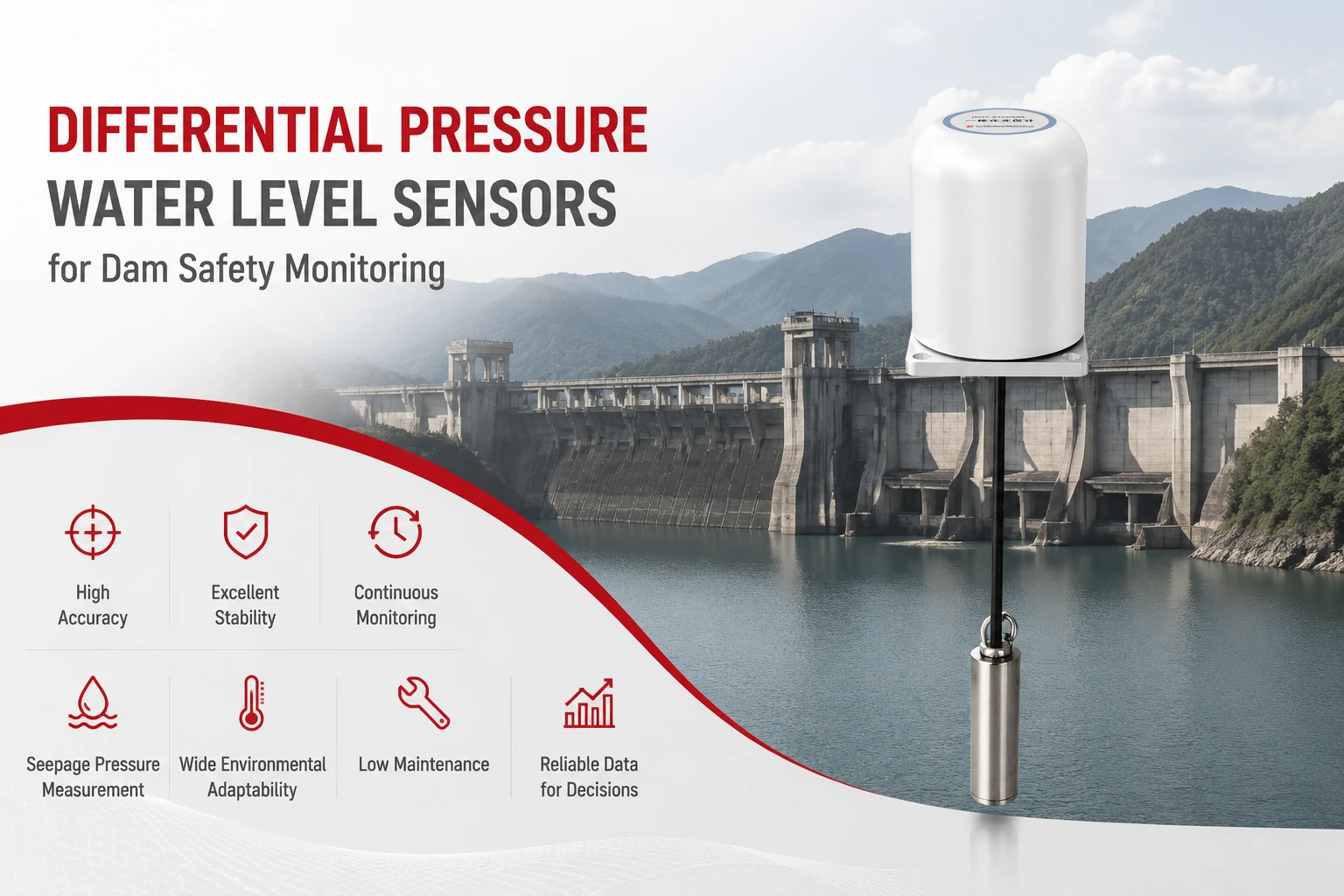
Key Takeaways The strongest fit is usually a confined, submerged, or s...
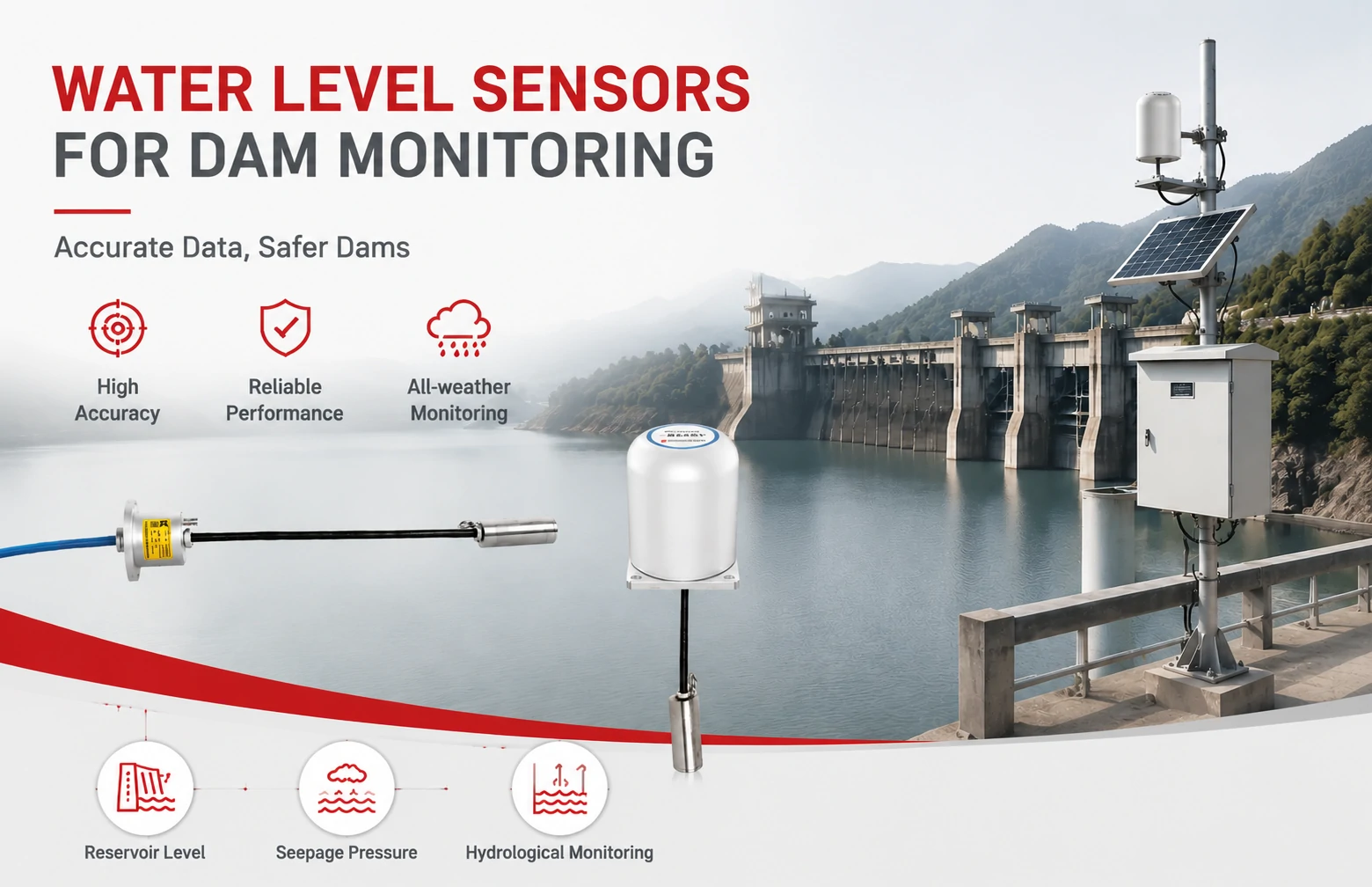
Kingmach Water Level Sensors for Dam Monitoring: A Buyer's Guide to Differential Pre...
Products
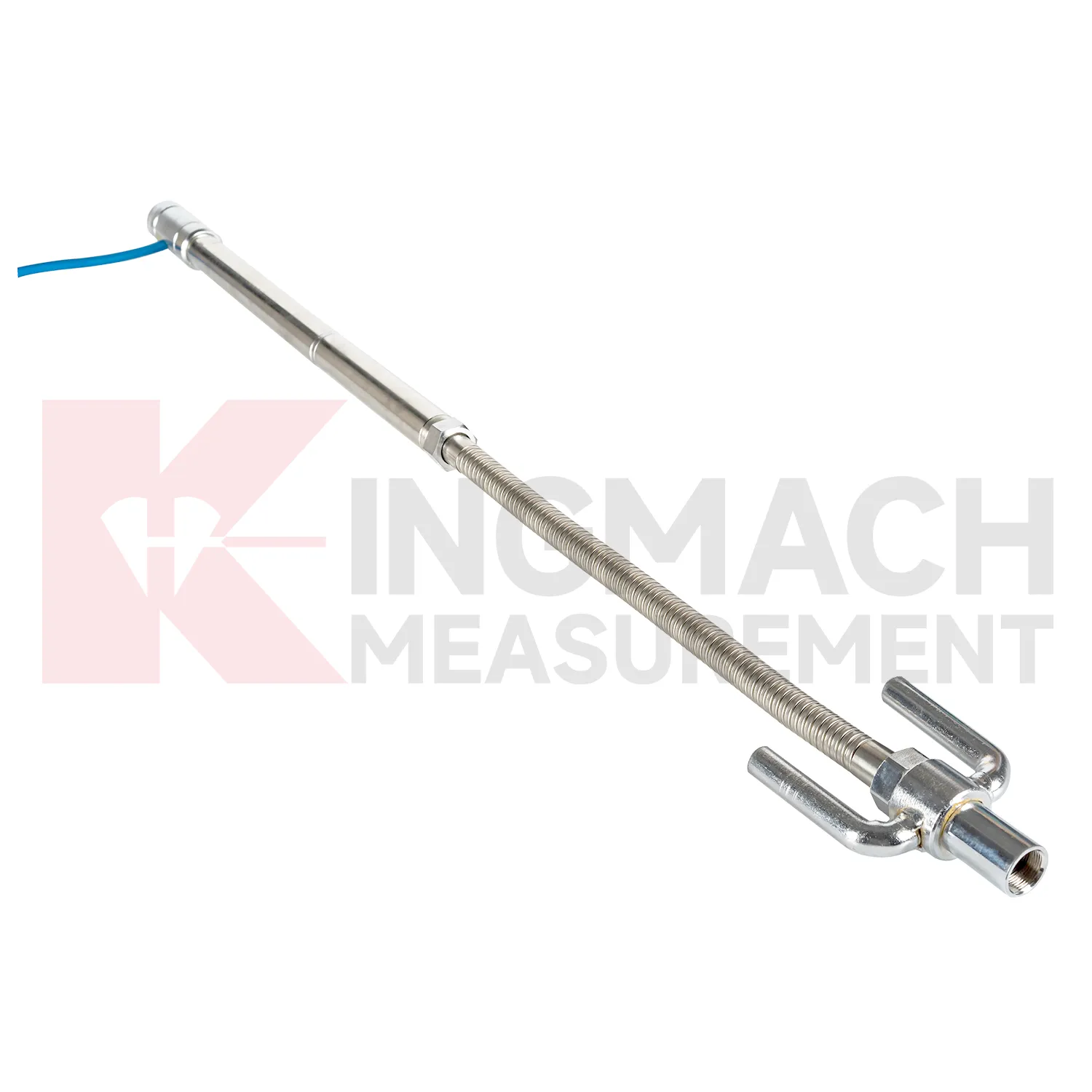
Smart Single-Point Settlement Gauge JMDL-47XXAT
View Details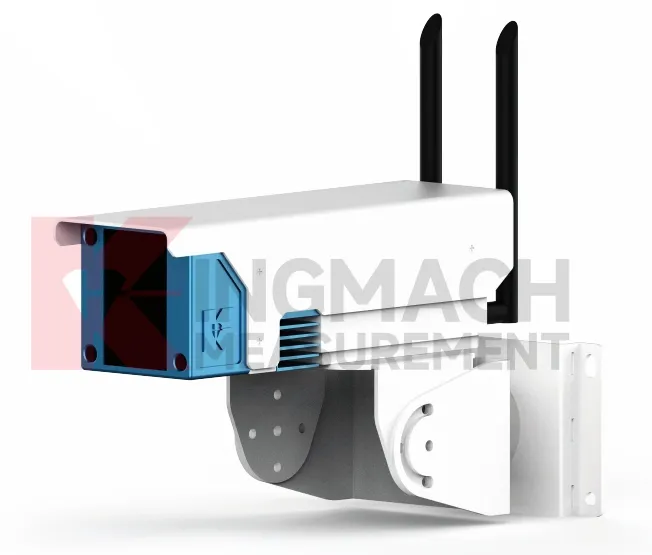
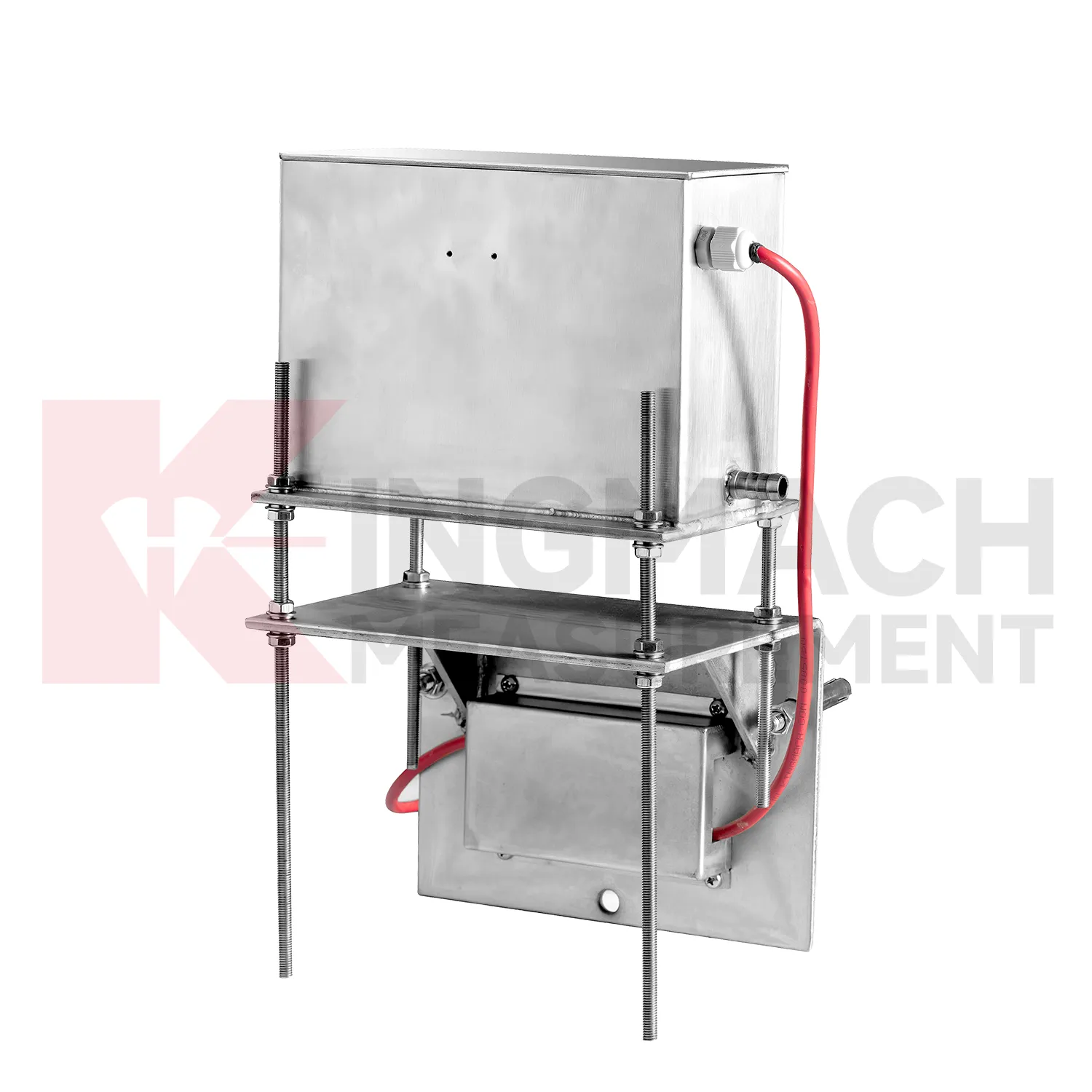
Micro Range Hydrostatic Level Sensor JMQJ-62XXADT
View DetailsFAQ
It refers to units that can measure liquid depth from a few meters up to over 100 meters. The sensor must maintain stable zero and span across that entire scale, even when ambient temperature and barometric pressure change. In practice, a wide-range sensor is engineered to minimize drift so that a 50-meter well doesn’t show a several-centimeter error after a few months.
A vent tube connects the sensor’s reference side to the atmosphere above the liquid. As the liquid level rises or falls, the changing head pressure is measured relative to that ambient reference. The sensor subtracts the two, so barometric pressure changes cancel out. The tricky part is keeping moisture, dust, or insects from blocking the vent line—Kingmach uses hydrophobic filters and replaceable desiccant cartridges to protect it.
It depends on the wetted materials. The standard diaphragm is stainless steel, which works for clean water and many industrial fluids. For acidic or caustic media, Kingmach can supply a ceramic diaphragm or polymeric housing. For slurry, a flush-mounted diaphragm without a recess is preferred to avoid clogging. We usually ask for fluid details—pH, temperature, solids content—before recommending a specific build.
Most common are 4-20 mA two-wire, RS-485 with Modbus RTU, and SDI-12. The choice often depends on cable length and the type of hardware already at the site. 4-20 mA is rugged over long distances, while RS-485 allows digital addressing when multiple sensors share a bus. Kingmach can preconfigure the sensor to match your data logger’s protocol and power requirements.
Hydrostatic sensors use a pressure diaphragm whose stiffness can shift slightly with temperature. For a short-range sensor, the error might be negligible. Over a 50-meter range, uncompensated temperature swings can introduce noticeable offset. Kingmach’s wide-range units are compensated across the expected installation temperature range, so seasonal changes don’t require frequent recalibration.
Share your product type, target capacity, and application requirements. Our team can review the details and recommend a practical next step.
If you are interested in our products or want to become our partner.
Please leave your contact information, our team will contact you as soon as possible.
Mail: [email protected]
Contact Us: +8613808434127
Address: No. 188 Tongzipo West Rd, Changsha, Hunan, China