
 EN
EN
 ar
ar bg
bg hr
hr cs
cs da
da nl
nl fi
fi fr
fr de
de el
el hi
hi it
it ko
ko no
no pl
pl pt
pt ro
ro ru
ru es
es sv
sv tl
tl iw
iw id
id lv
lv lt
lt sr
sr sk
sk sl
sl uk
uk vi
vi et
et hu
hu th
th tr
tr fa
fa ms
ms hy
hy ka
ka ur
ur bn
bn mn
mn ta
ta kk
kk uz
uz ku
ku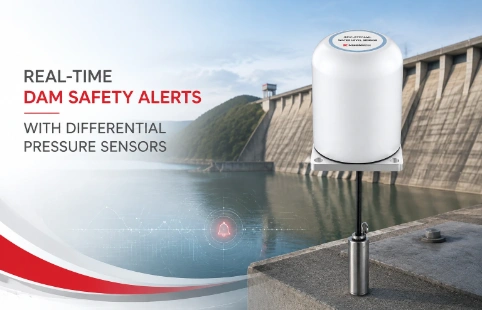
Real-Time Dam Safety Alerts with Differential Pressure Water Level Sensors
Key Takeaways An alert chain needs more than a sensor: define field in...

Water Temperature Sensor Resistance: Geotechnical Monitoring Accuracy
In groundwater and soil temperature logging, the sensor’s resistance characteristic defines measurement reliability. A water temperature sensor resistance that shifts unpredictably—or drifts under field conditions—throws off long-term data, often without obvious warning. Kingmach works with engineers who need resistance values they can trust across years of deployment. Our probes use thermally stable NTC elements that hold their published R-T curves, so you’re not recalibrating constantly. Whether you’re tracking seasonal groundwater trends or monitoring thermal plumes, matching the right base resistance—10kΩ at 25°C, 100kΩ, or non-standard values—makes the difference between a signal that resolves fine changes and one that blurs them. This page explains how we approach resistance selection, how environment influences it, and why installations in boreholes, wells, and soils benefit from elements engineered for low noise and minimal aging.
Technical Detail
Kingmach supplies water temperature sensor resistance elements and complete probes for geotechnical and environmental monitoring projects where data continuity matters. Our sensors are built around hermetically sealed NTC thermistors with an interchangeability of ±0.1°C or better over commonly used temperature spans, keeping signal processing straightforward on the readout side. We work with standard resistance values—most frequently 10kΩ or 100kΩ at 25°C—but can supply custom R-T curves and alternative base resistances when your data logger requires a specific excitation range or when cable length demands higher output impedance to maintain voltage stability. The sensing element is encapsulated in stainless steel or engineering plastics depending on immersion depth, chemical exposure, and installation method. Each probe includes a calibration report linking actual resistance to temperature across the operating range, reducing integration work for your instrumentation team. For distributed temperature sensing, multiple-point thermistor strings can be built with matched resistance tolerances so that channel-to-channel consistency is maintained without per-point scaling. As a geotechnical instrument manufacturer with a global distribution network, Kingmach provides direct engineering support to help you select the resistance/accuracy combination that fits the response time, power budget, and cable run requirements of your field setup. We also assist with Modbus or 4–20mA output variants when the monitoring architecture calls for digital or current-loop transmission rather than raw resistance measurement.
News
Key Takeaways An alert chain needs more than a sensor: define field in...
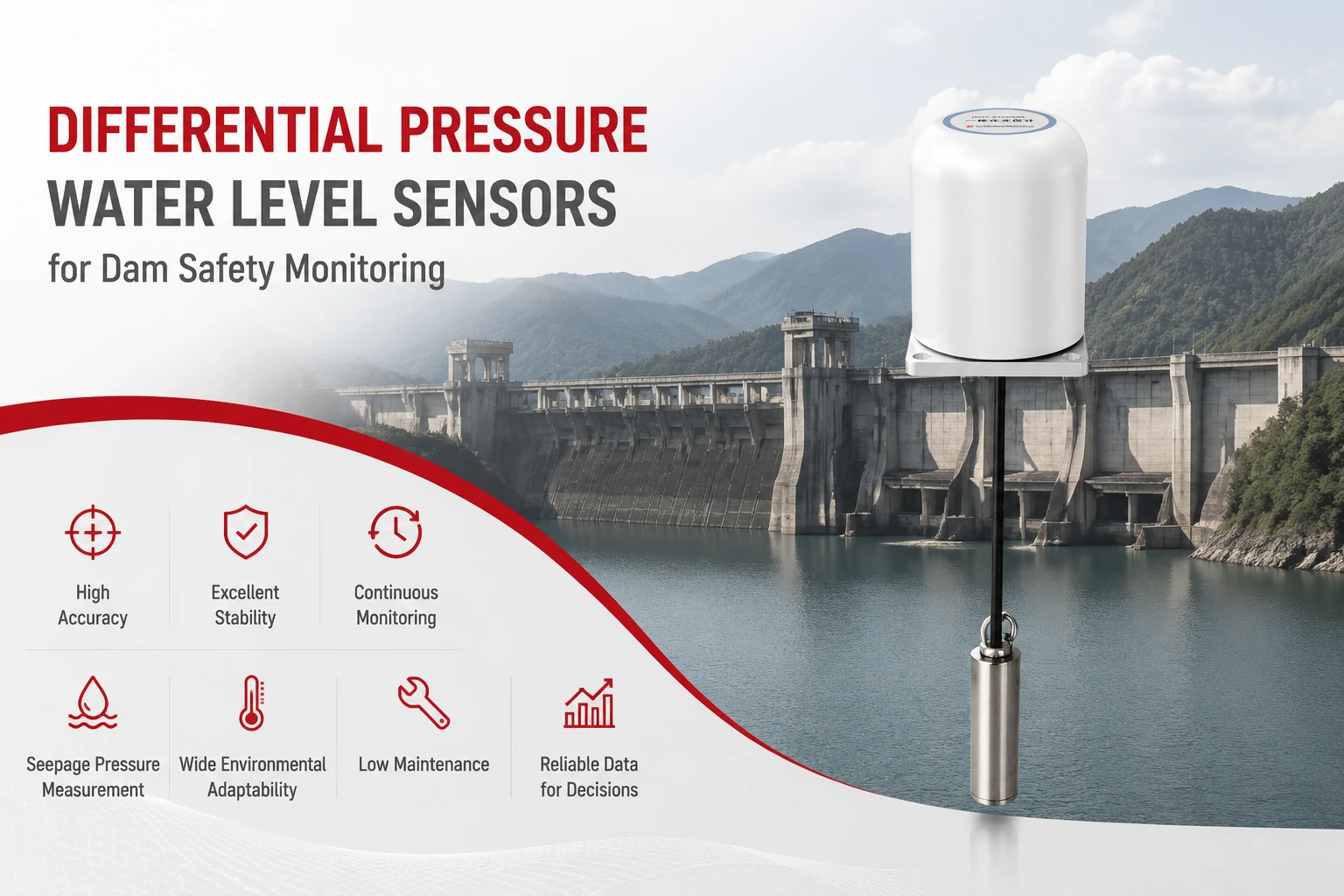
Key Takeaways The strongest fit is usually a confined, submerged, or s...
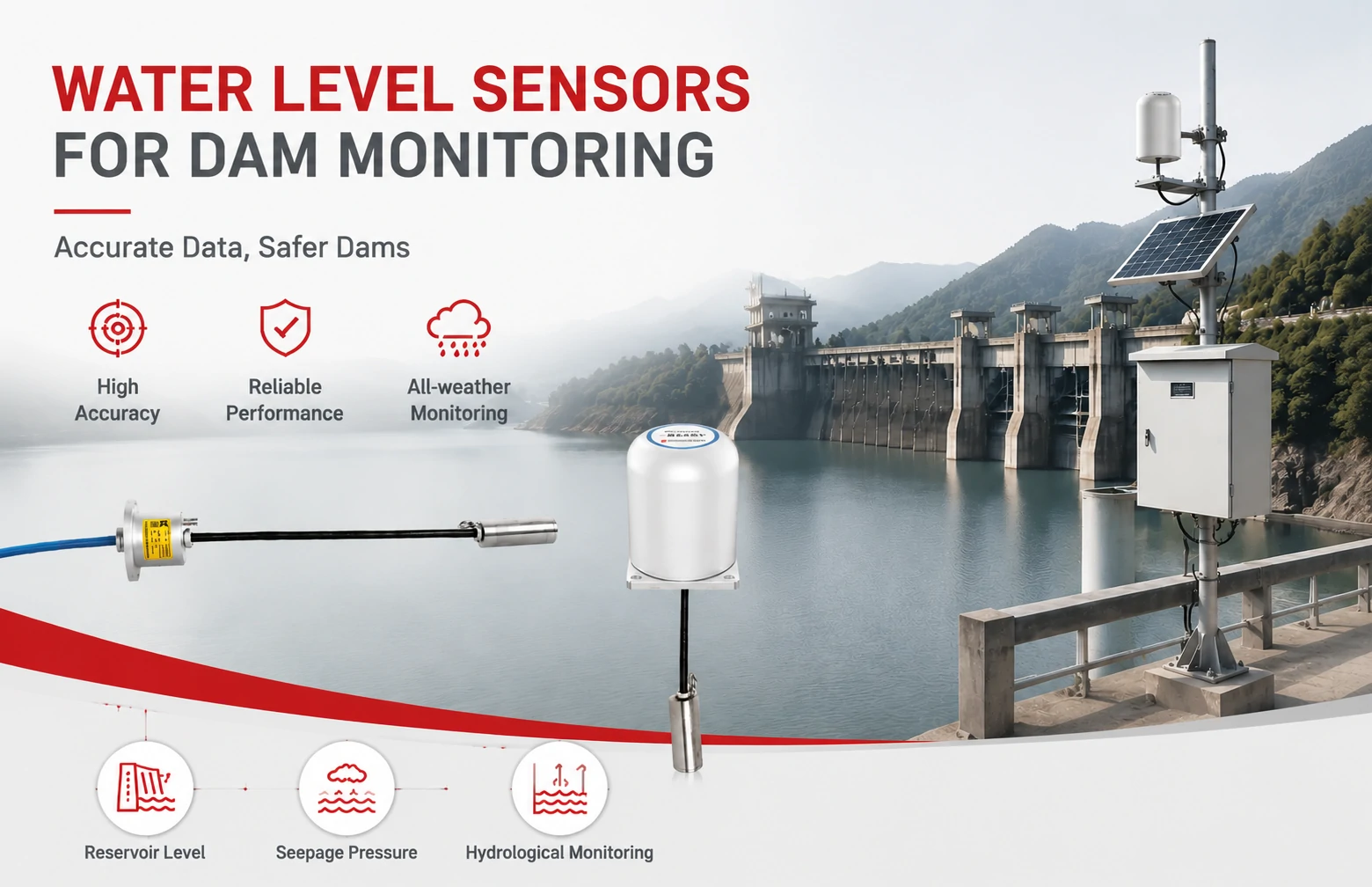
Kingmach Water Level Sensors for Dam Monitoring: A Buyer's Guide to Differential Pre...
Products
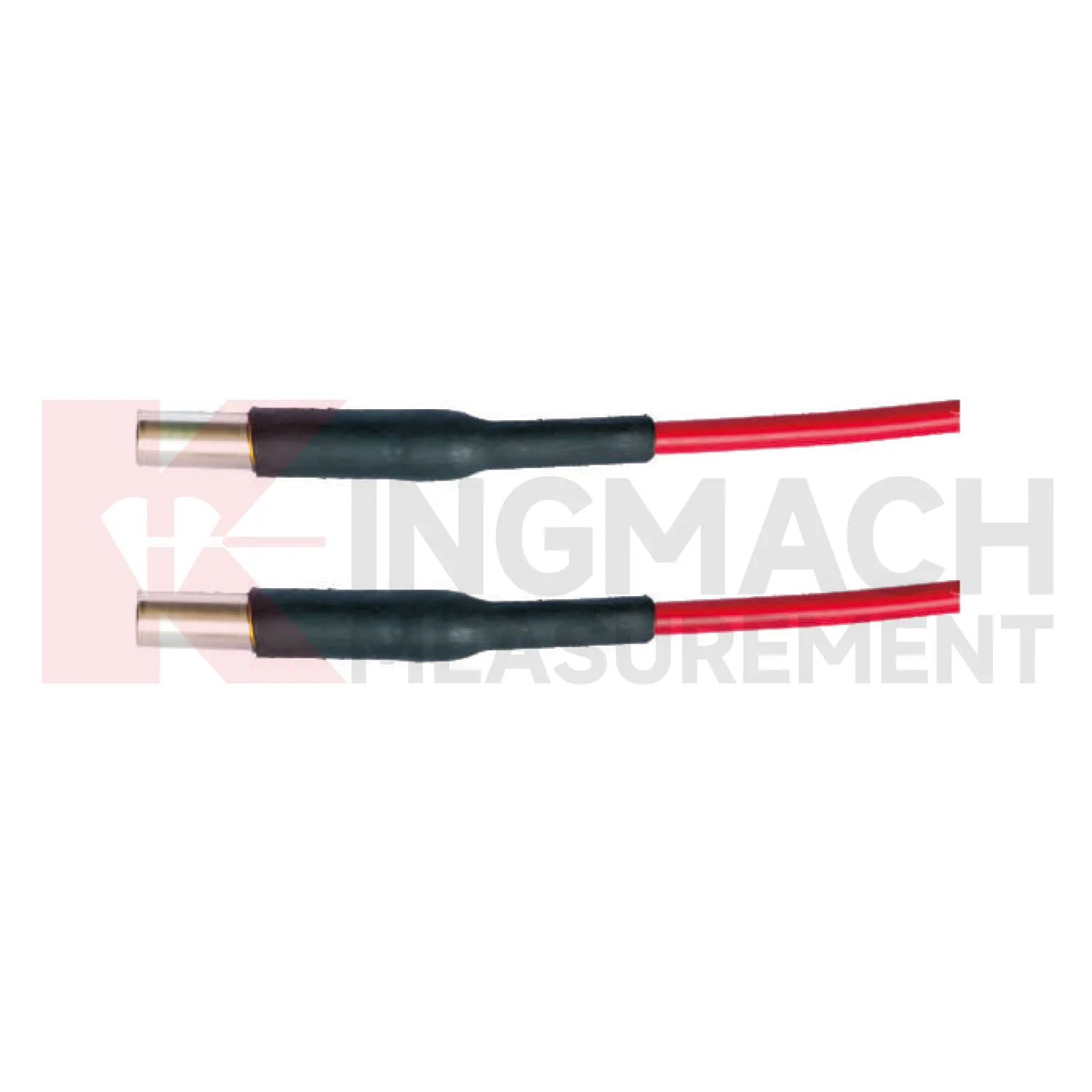
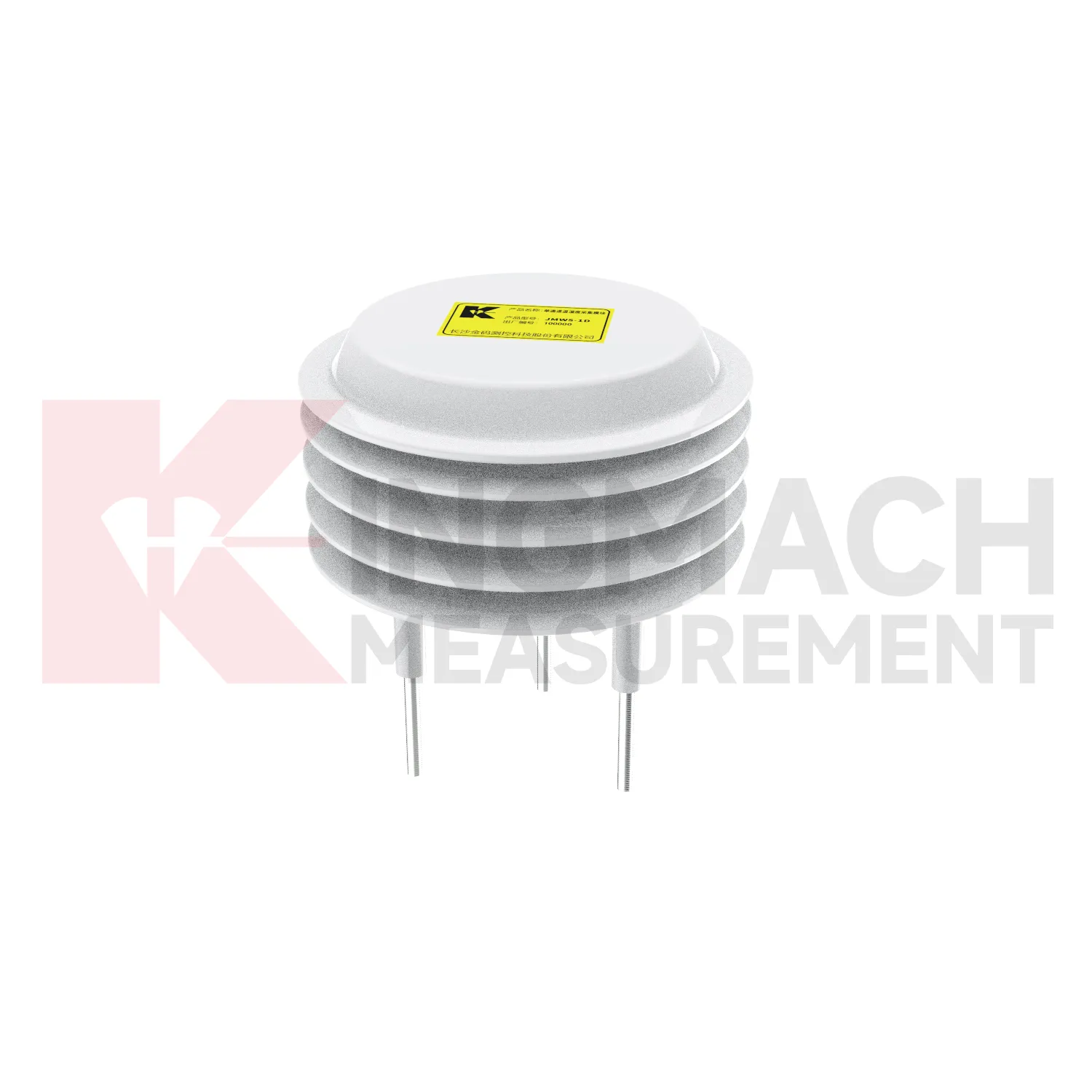
Single-Channel Temperature and Humidity Acquisition Module JMWS-1D
View DetailsFAQ
Most sensors we supply use NTC thermistors—negative temperature coefficient—meaning resistance drops as temperature rises. The relationship follows a nonlinear curve, often fitted by the Steinhart-Hart equation. For instance, a 10kΩ at 25°C thermistor may drop to about 3kΩ at 50°C and rise above 30kΩ near 0°C. The exact curve depends on material formulation and is provided with each calibration.
It depends on your data logger’s excitation current and the length of your cable. A 10kΩ base resistance works well for many short-cable applications because it balances self-heating and resolution. Longer cables may benefit from 100kΩ or higher to reduce lead resistance effects. We can help match the resistance to your logger’s input range to avoid saturation or poor signal-to-noise ratio.
Yes. While 10kΩ and 100kΩ at 25°C are common, we can build thermistors with non-standard base resistances (e.g., 2.2kΩ, 30kΩ) and even tailor the R-T curve for a specific temperature span if your project requires tighter resolution in a narrow band.
We use glass-encapsulated or epoxy-sealed NTC chips that resist moisture ingress. The materials are selected for low ionic contamination, which is the main cause of drift. Every sensor goes through a thermal cycling burn-in before final calibration, effectively aging the element so that field resistance readings remain within published drift specs—typically less than 0.02°C per year for well-manufactured thermistors.
Our standard probes output raw resistance, which you connect to a temperature logger configured for the specific R-T curve. If your system expects a 4–20mA signal or Modbus output, we can integrate a compact transmitter inside the probe housing so you get an industry-standard conditioned signal without separate electronics.
Share your product type, target capacity, and application requirements. Our team can review the details and recommend a practical next step.
If you are interested in our products or want to become our partner.
Please leave your contact information, our team will contact you as soon as possible.
Mail: [email protected]
Contact Us: +8613808434127
Address: No. 188 Tongzipo West Rd, Changsha, Hunan, China