
 EN
EN
 ar
ar bg
bg hr
hr cs
cs da
da nl
nl fi
fi fr
fr de
de el
el hi
hi it
it ko
ko no
no pl
pl pt
pt ro
ro ru
ru es
es sv
sv tl
tl iw
iw id
id lv
lv lt
lt sr
sr sk
sk sl
sl uk
uk vi
vi et
et hu
hu th
th tr
tr fa
fa ms
ms hy
hy ka
ka ur
ur bn
bn mn
mn ta
ta kk
kk uz
uz ku
ku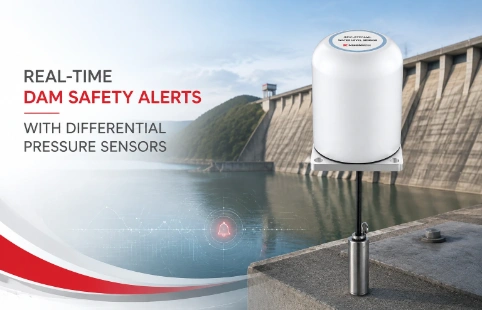
Real-Time Dam Safety Alerts with Differential Pressure Water Level Sensors
Key Takeaways An alert chain needs more than a sensor: define field in...

Water Tank Level Meters Built for Real-World Conditions
When a storage tank runs dry or overflows, the problem often traces back to a level sensor that couldn’t handle the actual conditions. These aren’t always lab-clean tanks. Many sit outdoors, collect condensation, or hold water that isn’t perfectly still. Kingmach approached water tank level meters differently. Instead of selling a generic sensor and hoping it fits, we start by asking what the tank looks like, where it’s located, and how the data will be used. That might mean a submersible pressure transmitter for a buried cistern, an ultrasonic sensor for a chemical dosing tank, or a radar unit for a reservoir with wave action. All our instruments come out of a geotechnical monitoring background, where readings need to hold up over years, not months. The ability to customize outputs, cable lengths, and mounting hardware means you are not stuck adapting your tank to a standard meter.
Technical Detail
A water tank level meter is only as good as its ability to keep working through whatever gets thrown at it—temperature swings, humidity, debris, or constant pressure cycling. Kingmach’s range of level meters draws on decades of geotechnical and environmental monitoring experience, where sensors regularly operate in boreholes, rivers, and construction sites. That engineering DNA means our tank meters emphasize long-term stability and tough construction. Most models use hydrostatic, ultrasonic, or radar measurement principles, selected based on the tank’s geometry and the liquid’s characteristics. For clean water storage, simple and cost-effective pressure transducers often do the job. When the tank contains chemicals, slurries, or turbulence, non-contact ultrasonic or radar sensors avoid corrosion and maintenance headaches. Kingmach’s instruments can output standard 4-20mA signals, Modbus, or SDI-12 for seamless integration with existing SCADA or telemetry systems. Because we manufacture in-house and handle calibration, we can adjust cable lengths, mounting brackets, and signal conditioning to match a specific tank setup without long lead times. Our worldwide distribution network and technical support ensure that once the meter is installed, assistance is available if conditions change or readings drift. For projects that require specialized monitoring—such as aquifer recharge basins or wastewater holding cells—Kingmach’s engineering team can design a custom solution involving multiple sensors and data loggers. Rather than offering one model and calling it universal, we help you match the measurement principle to the actual tank environment, so the meter delivers reliable data for years.
News
Key Takeaways An alert chain needs more than a sensor: define field in...
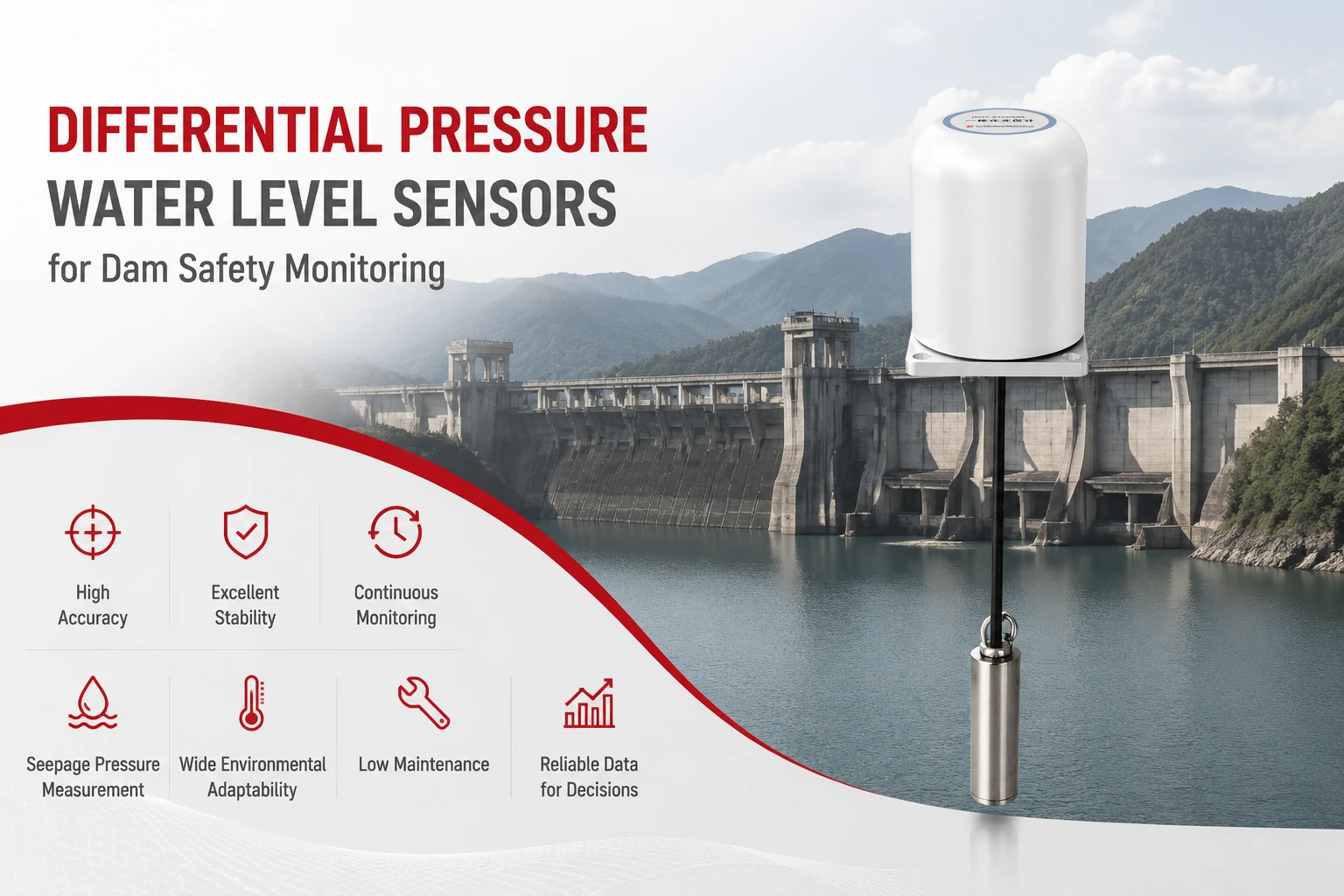
Key Takeaways The strongest fit is usually a confined, submerged, or s...
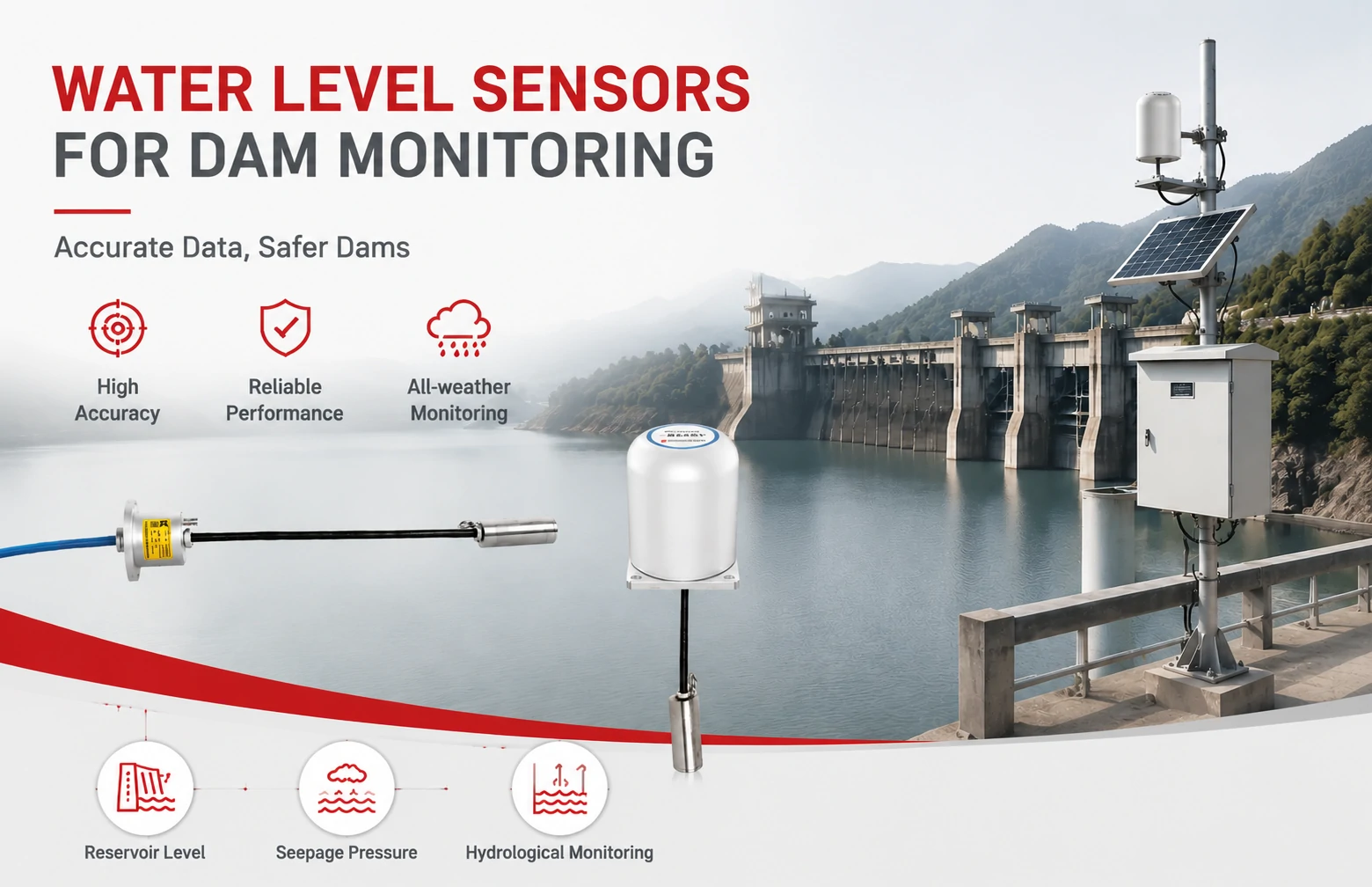
Kingmach Water Level Sensors for Dam Monitoring: A Buyer's Guide to Differential Pre...
Products
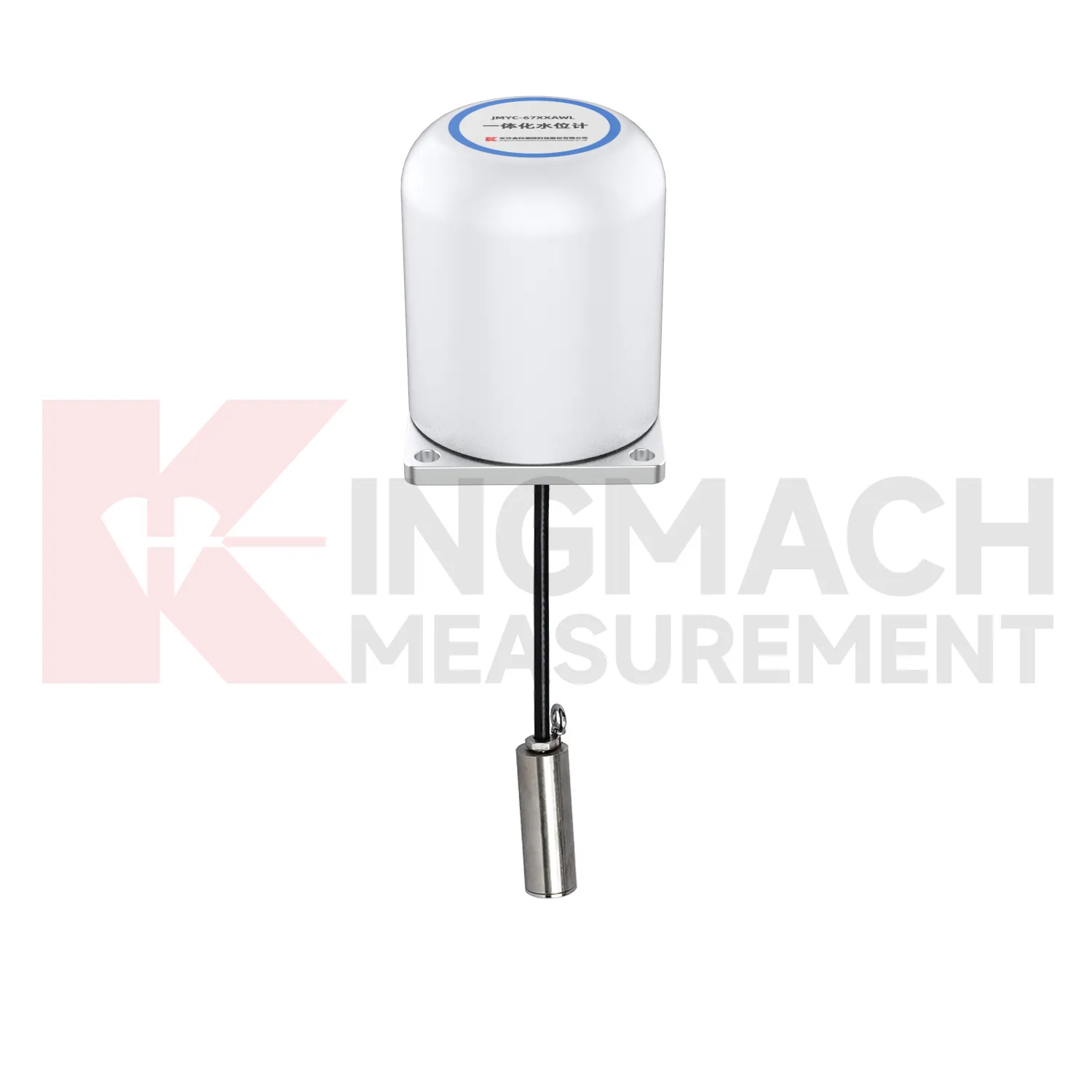
Integrated Wide-Range Differential Pressure Water Level Meter JMYC-67XXAWL
View Details
Earth Pressure Cell ( VW & Smart Type) JMZX-50XXAT/ ATM
View Details
FAQ
In freezing conditions, contact-type sensors like submersible pressure transmitters can be damaged by ice expansion. Many operators switch to non-contact ultrasonic or radar meters mounted above the tank. If a submersible transmitter is necessary, a stilling well or antifreeze-filled impulse line can protect the sensor. Kingmach can advise on the appropriate housing and temperature compensation range for your climate.
Yes. Most of our meters output standard 4-20mA or Modbus signals that plug directly into RTUs or cellular loggers. For projects requiring wireless transmission right at the sensor, we can pre-integrate low-power radios or LoRa modules as a custom option.
Stability depends on the technology and the environment. Hydrostatic sensors in clean water might hold calibration for two years or more. Sensors in dirty or turbulent water may need annual checks. As a rule of thumb, we recommend verifying against a manual reading every six months and recalibrating if the deviation exceeds your tolerance. Kingmach provides full recalibration instructions and support.
Non-linear tanks—like horizontal cylinders or water towers with conical bottoms—require a custom strapping table. You supply the tank dimensions or a scan file, and our team configures the transmitter to output volume directly in liters or gallons. This is often a standard part of our customization service, so you don’t need to add an external signal converter.
Share your product type, target capacity, and application requirements. Our team can review the details and recommend a practical next step.
If you are interested in our products or want to become our partner.
Please leave your contact information, our team will contact you as soon as possible.
Mail: [email protected]
Contact Us: +8613808434127
Address: No. 188 Tongzipo West Rd, Changsha, Hunan, China