
 EN
EN
 ar
ar bg
bg hr
hr cs
cs da
da nl
nl fi
fi fr
fr de
de el
el hi
hi it
it ko
ko no
no pl
pl pt
pt ro
ro ru
ru es
es sv
sv tl
tl iw
iw id
id lv
lv lt
lt sr
sr sk
sk sl
sl uk
uk vi
vi et
et hu
hu th
th tr
tr fa
fa ms
ms hy
hy ka
ka ur
ur bn
bn mn
mn ta
ta kk
kk uz
uz ku
ku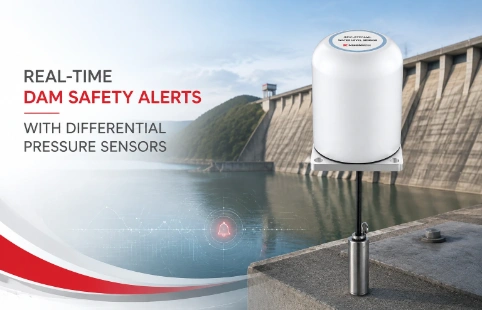
Real-Time Dam Safety Alerts with Differential Pressure Water Level Sensors
Key Takeaways An alert chain needs more than a sensor: define field in...

Vibration Monitoring Sensors Tailored to Your Needs
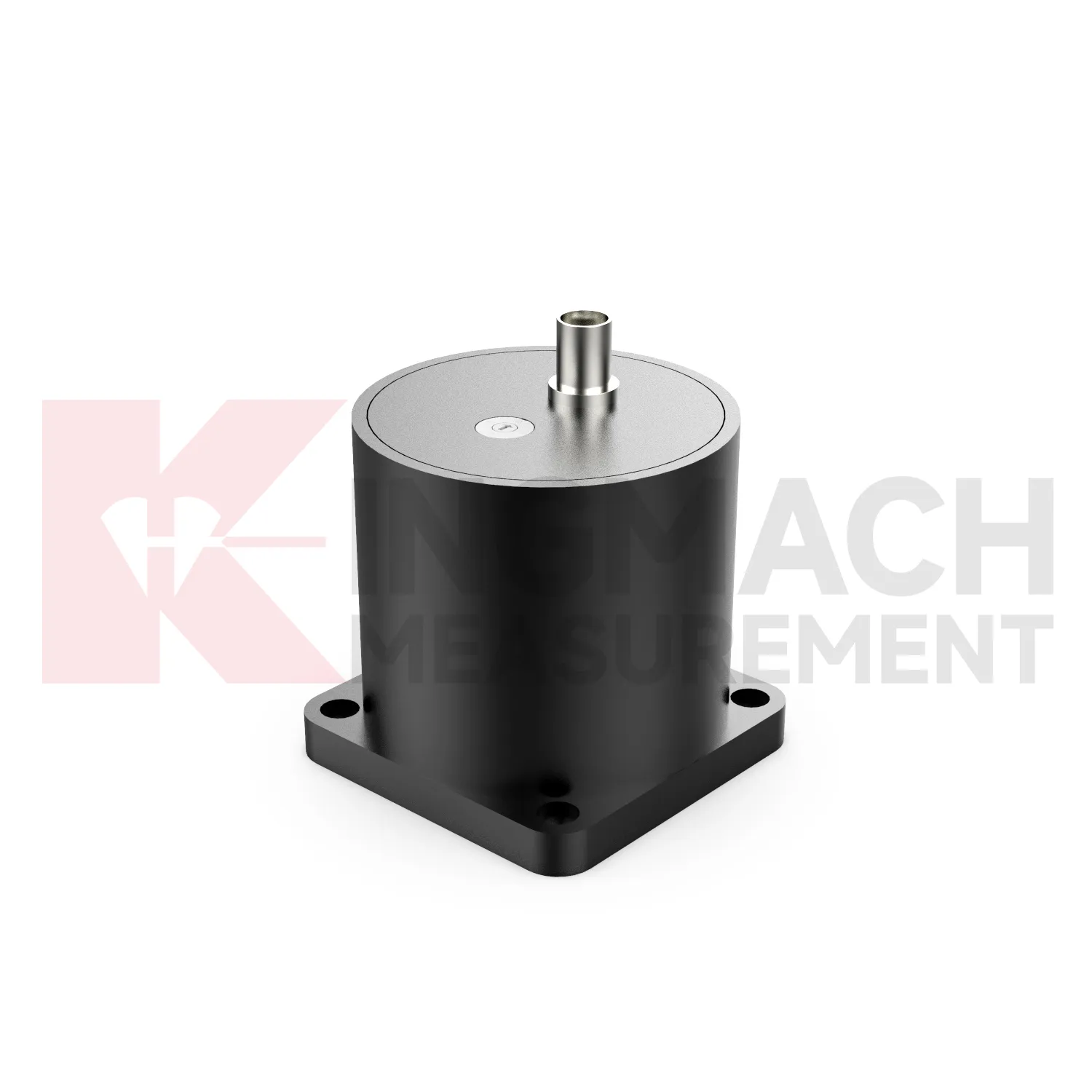
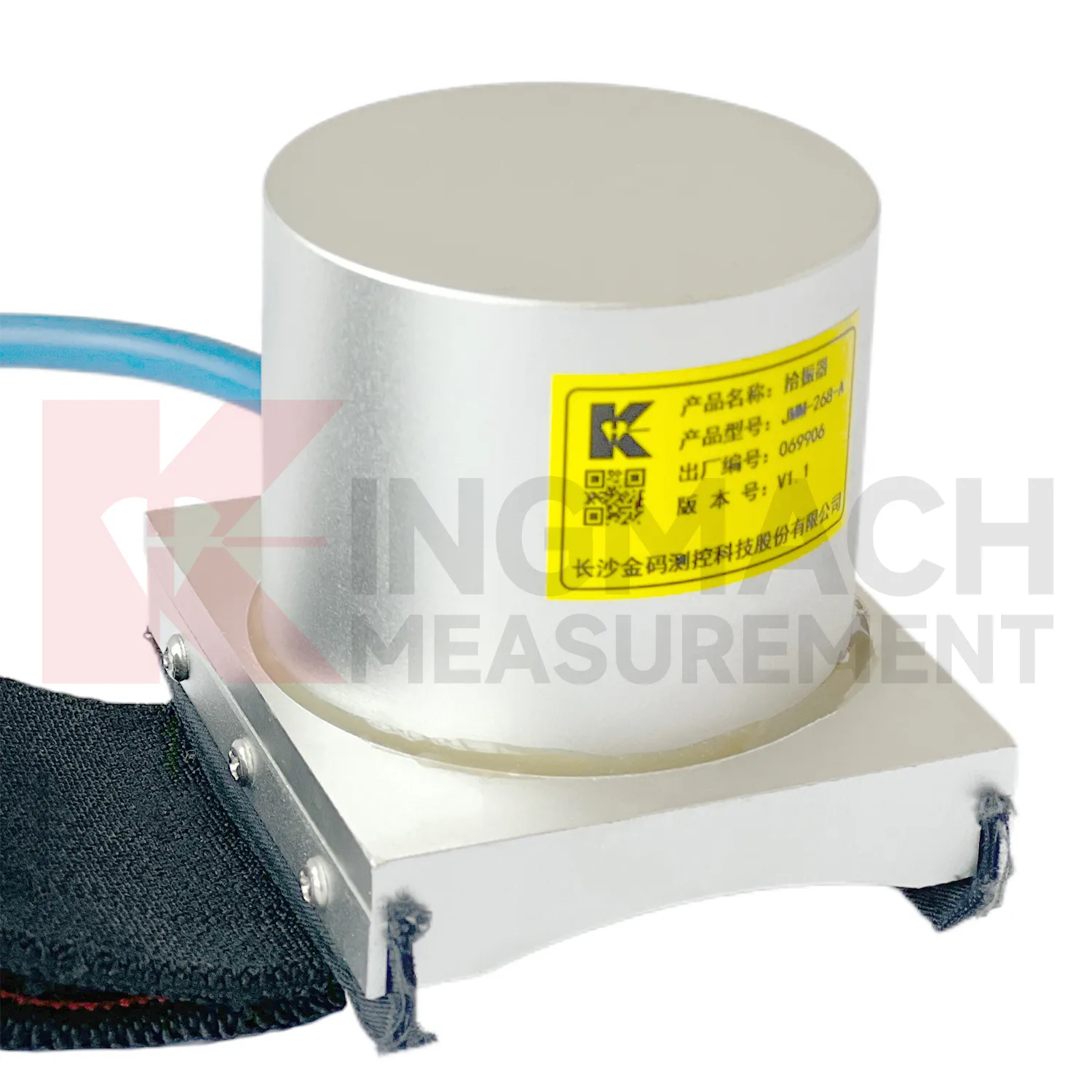
When a mining operation needs to track ground vibrations or a construction site requires structural health data, the choice of sensor makes all the difference. Kingmach Measurement & Monitoring Technology Co., Ltd. brings together a wide product range, practical customisation, and a global distribution network to put the right vibration monitoring sensors into engineers’ hands. Rather than pushing a one-size-fits-all catalogue, we focus on matching sensor performance to specific project requirements—whether that means adjusting sensitivity, packaging, or signal output for a unique installation. Backed by technical support teams who understand field conditions, Kingmach helps you move from specification to dependable data without unnecessary complexity.
Technical Detail
Vibration monitoring sensors from Kingmach cover a practical bandwidth of industrial and geotechnical jobs—from rotating machinery surveillance on factory floors to seismic monitoring for tunnels and bridges. The product line includes several sensor types, each with selectable sensitivity, frequency response, and mounting options, so engineers can align the hardware with the real conditions on site. Customisation is a core part of the offering; we routinely adapt housings, cable lengths, and output signals (such as 4–20 mA or IEPE) to fit project-specific electrical and mechanical constraints. Because our manufacturing sits in the mid-range, the sensors deliver consistent data without the premium price tag often attached to laboratory-grade devices. Field service is supported by regional partners and an in-house team that can assist with installation best practices, calibration checks, and integration into existing data acquisition systems. This global network means that a vibration monitoring project in South America or Southeast Asia can receive the same level of technical advice as one closer to our headquarters. Common applications include condition monitoring of pumps and compressors, structural health assessment of dams and wind turbine foundations, and blast-induced vibration measurement in quarries. In each case, the goal is straightforward: provide reliable vibration data that helps the user make informed maintenance or safety decisions without being locked into a rigid product design.
News
Key Takeaways An alert chain needs more than a sensor: define field in...
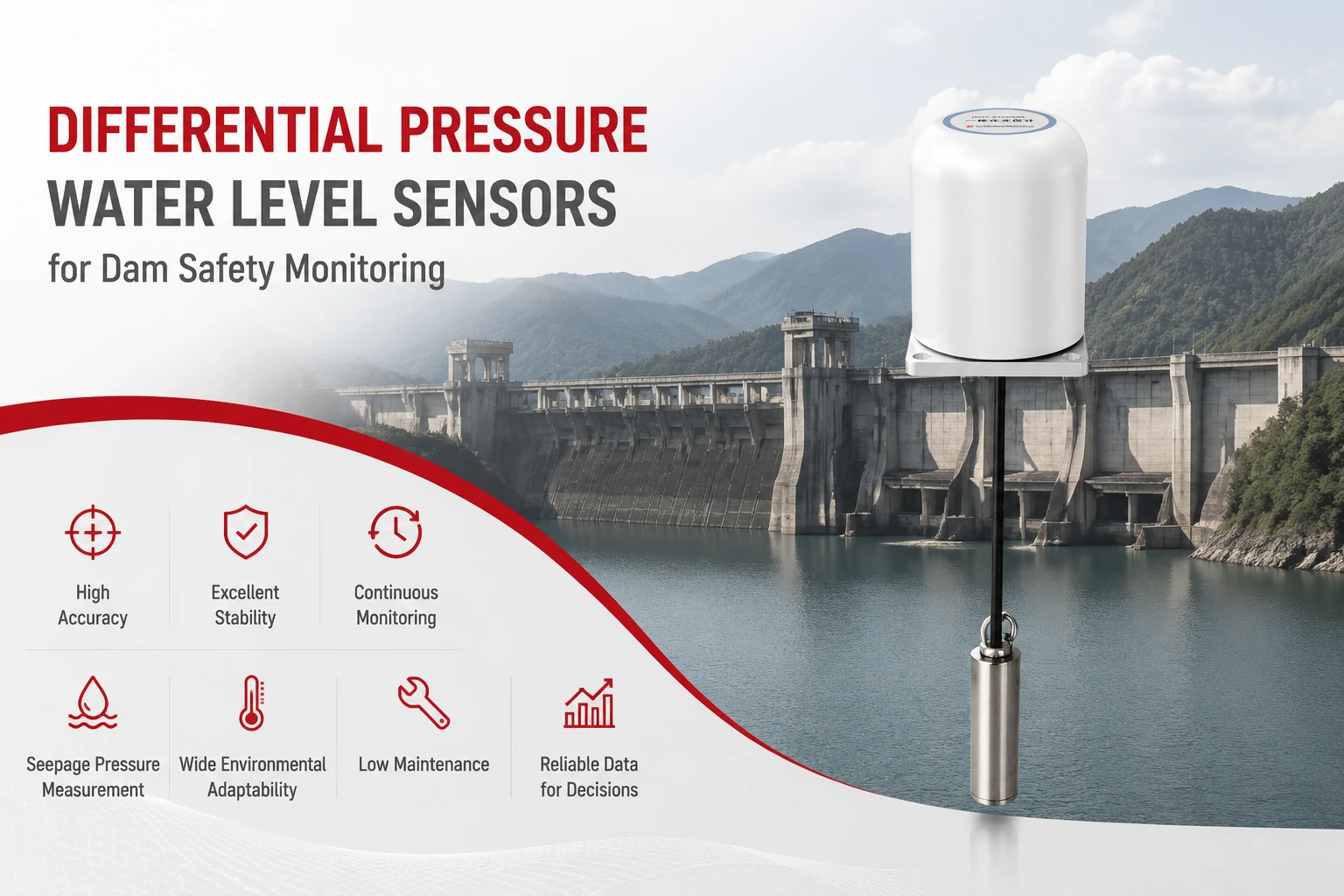
Key Takeaways The strongest fit is usually a confined, submerged, or s...
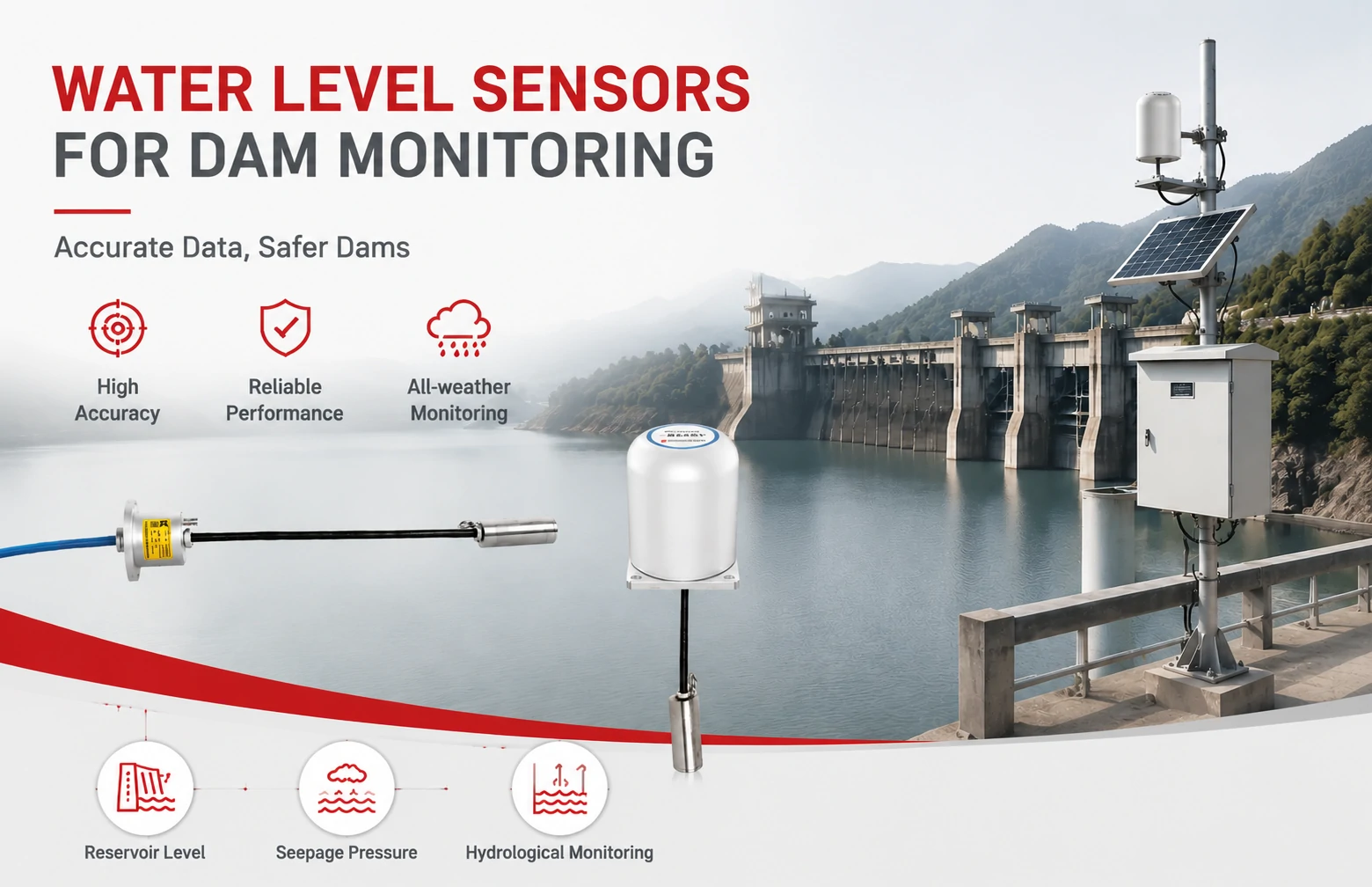
Kingmach Water Level Sensors for Dam Monitoring: A Buyer's Guide to Differential Pre...
Products
FAQ
Our catalogue includes accelerometers, velocity sensors, and custom assemblies built around specific measurement ranges. We can also supply combinations that output both vibration and temperature data for machinery monitoring. If an off-the-shelf model doesn’t match your requirements, our engineering team can modify housings, connectors, or signal conditioning to suit the job.
Yes. We offer enclosures rated for common industrial conditions—typically IP65 or better when specified. For corrosive or submerged applications, we can provide stainless steel housings and sealed cable glands. It’s best to discuss the exact environment with our technical team so we can recommend the appropriate protection level.
Support is available through our regional distribution partners and directly from Kingmach engineers. We can help with wiring diagrams, signal compatibility (e.g., matching IEPE sensors to your data acquisition setup), and advice on placement and mounting to avoid measurement errors. Most queries are handled via email or video call within a day.
Lead times vary based on the complexity of the modification and current production load. A straightforward customisation like a non-standard cable length or connector might ship within a few weeks, while a fully bespoke sensor with new tooling can take longer. Contact us with your specifications, and we’ll provide a project timeline before you commit.
Start by defining the frequency range and amplitude you expect. For most civil structures, low-frequency accelerometers or velocity sensors are appropriate. You’ll also need to consider how the sensor will be mounted—permanent bolting, magnetic base, or epoxy—and whether you need shielded cables for long cable runs. Our application engineers can walk through these points and recommend a configuration that fits your data acquisition system and budget.
Share your product type, target capacity, and application requirements. Our team can review the details and recommend a practical next step.
If you are interested in our products or want to become our partner.
Please leave your contact information, our team will contact you as soon as possible.
Mail: [email protected]
Contact Us: +8613808434127
Address: No. 188 Tongzipo West Rd, Changsha, Hunan, China