
 EN
EN
 ar
ar bg
bg hr
hr cs
cs da
da nl
nl fi
fi fr
fr de
de el
el hi
hi it
it ko
ko no
no pl
pl pt
pt ro
ro ru
ru es
es sv
sv tl
tl iw
iw id
id lv
lv lt
lt sr
sr sk
sk sl
sl uk
uk vi
vi et
et hu
hu th
th tr
tr fa
fa ms
ms hy
hy ka
ka ur
ur bn
bn mn
mn ta
ta kk
kk uz
uz ku
ku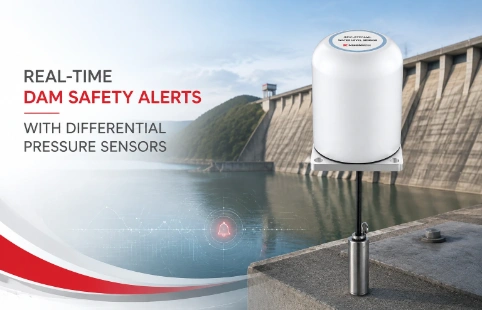
Real-Time Dam Safety Alerts with Differential Pressure Water Level Sensors
Key Takeaways An alert chain needs more than a sensor: define field in...

Strain Gauge Sensors for Demanding Monitoring Projects
In geotechnical and structural monitoring, knowing how materials deform under load isn't just nice to have—it's the whole point. Strain gauge sensors turn physical deformation into measurable electrical signals, giving engineers the data they need to assess stress, load, and structural integrity. From deep excavations to bridge piers, these sensors work where reliability can't be compromised. Kingmach, as a professional manufacturer of geotechnical instruments, supplies strain gauge sensors that plug straight into real-world monitoring setups. They aren't lab curiosities; they're built for sites where dust, moisture, and temperature swings are part of daily life. The product line covers everything from embedment strain gauges for concrete piles to surface‑mount versions for steel structures, all backed by application support that doesn't vanish after the sale.
Technical Detail
Choosing a strain gauge sensor often comes down to whether it will survive the job site. Kingmach's sensors are designed for long‑term geotechnical and structural monitoring—not just spot checks. The sensing elements use foil or wire patterns bonded to a backing, with full‑bridge configurations that improve noise immunity and temperature compensation. Typical gauge factors hover around 2.0, but the real benefit is in how the sensor package handles field conditions. Some models include built‑in thermistors, so you can correct for temperature drift without extra wiring. Cable options matter, too: shielded, armored, or low‑temperature jackets keep signals clean even when buried in wet concrete or frozen ground. Since each project is different, Kingmach routinely customizes gauge length, resistance, and lead‑wire exits. That shifts the burden from the engineer having to adapt off‑the‑shelf parts to getting a sensor that fits the measurement task more or less immediately. The company's global distribution network means these sensors land on site with consistent calibration documentation, and the technical support team helps with installation quirks—like when rebar congestion makes standard placement impossible.
News
Key Takeaways An alert chain needs more than a sensor: define field in...
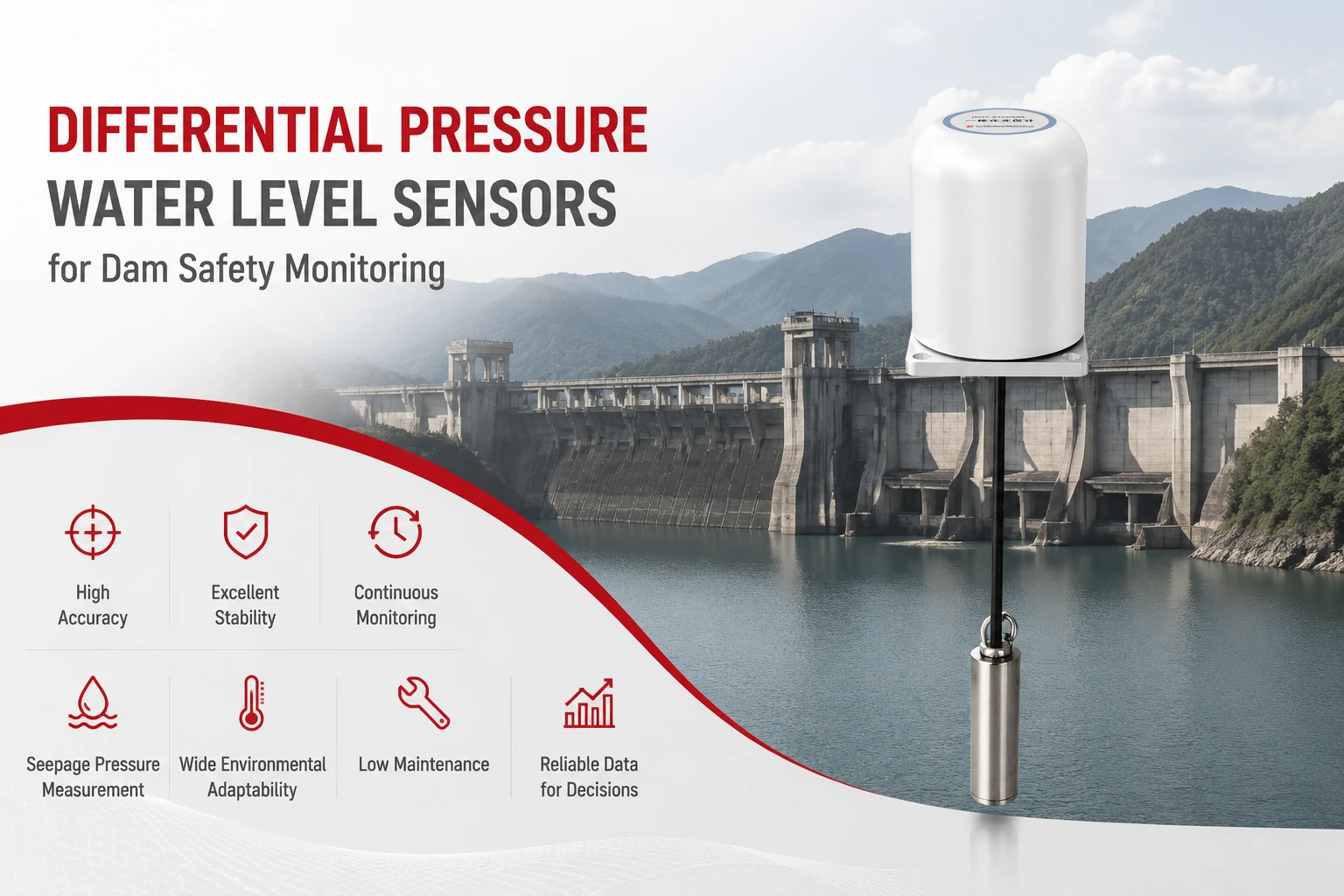
Key Takeaways The strongest fit is usually a confined, submerged, or s...
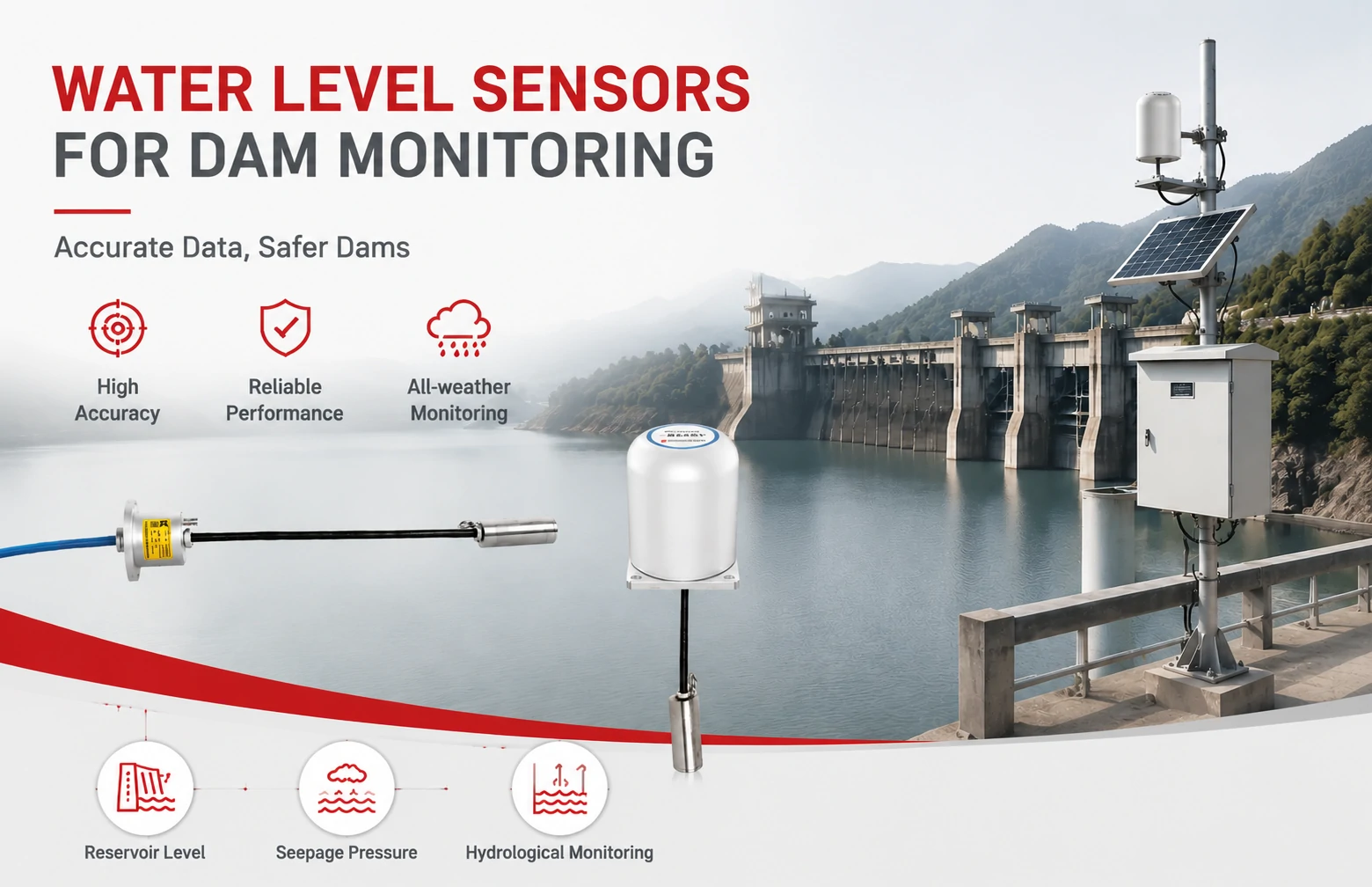
Kingmach Water Level Sensors for Dam Monitoring: A Buyer's Guide to Differential Pre...
Products
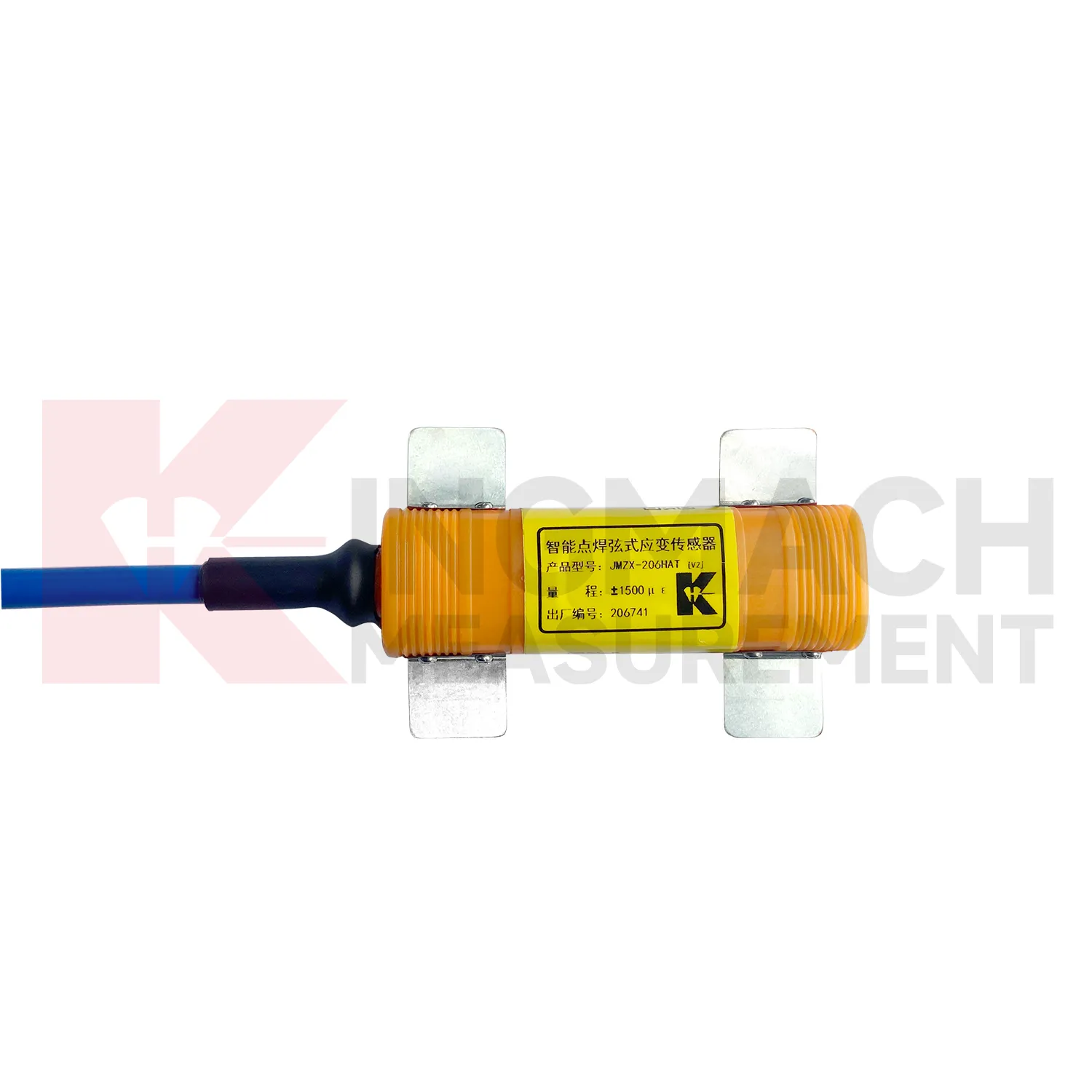
Smart vibrating wire strain gauge (surface welded model) JMZX-206HAT
View Details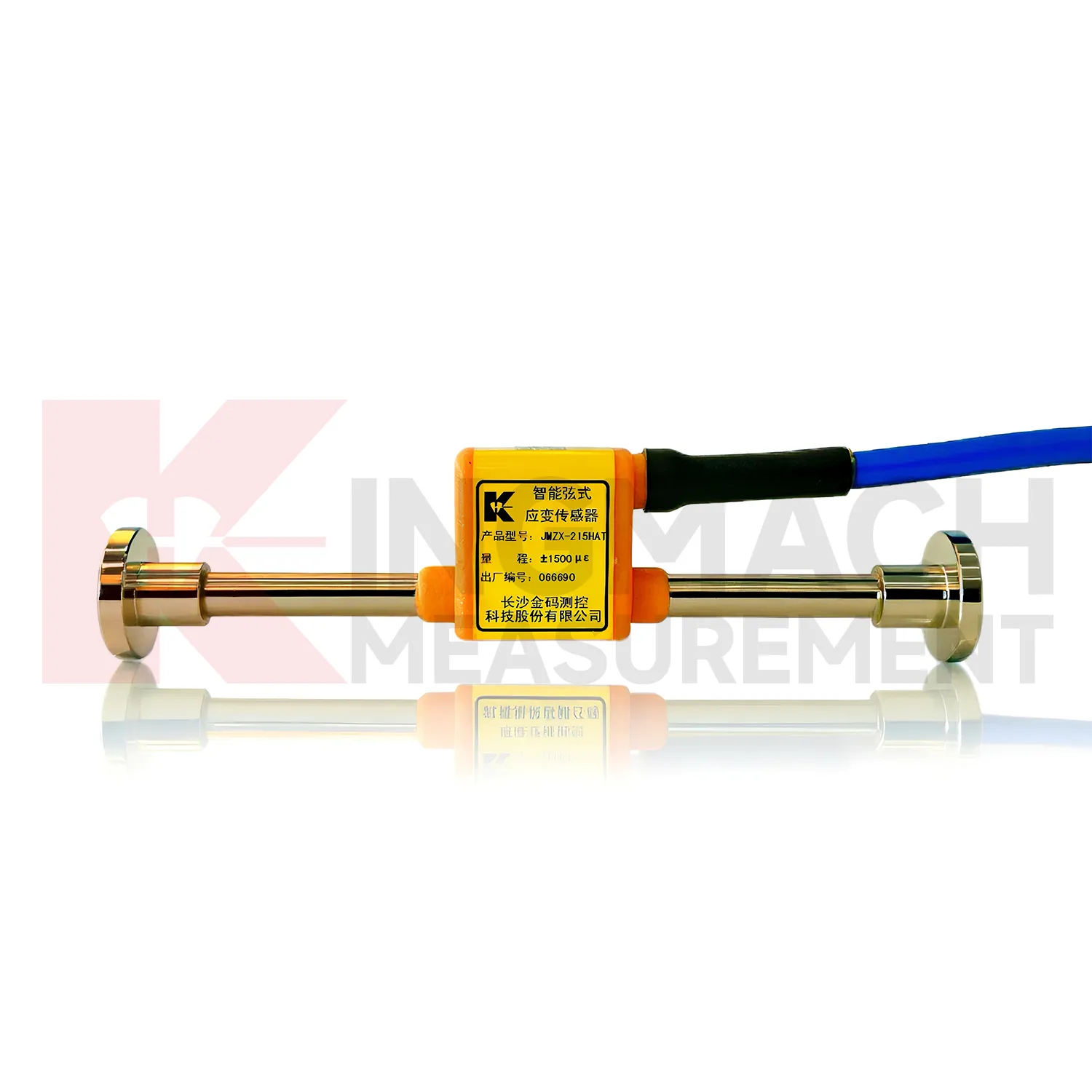
Smart vibrating wire strain gauge (embedment model) JMZX-215HA/215HAT/HB
View Details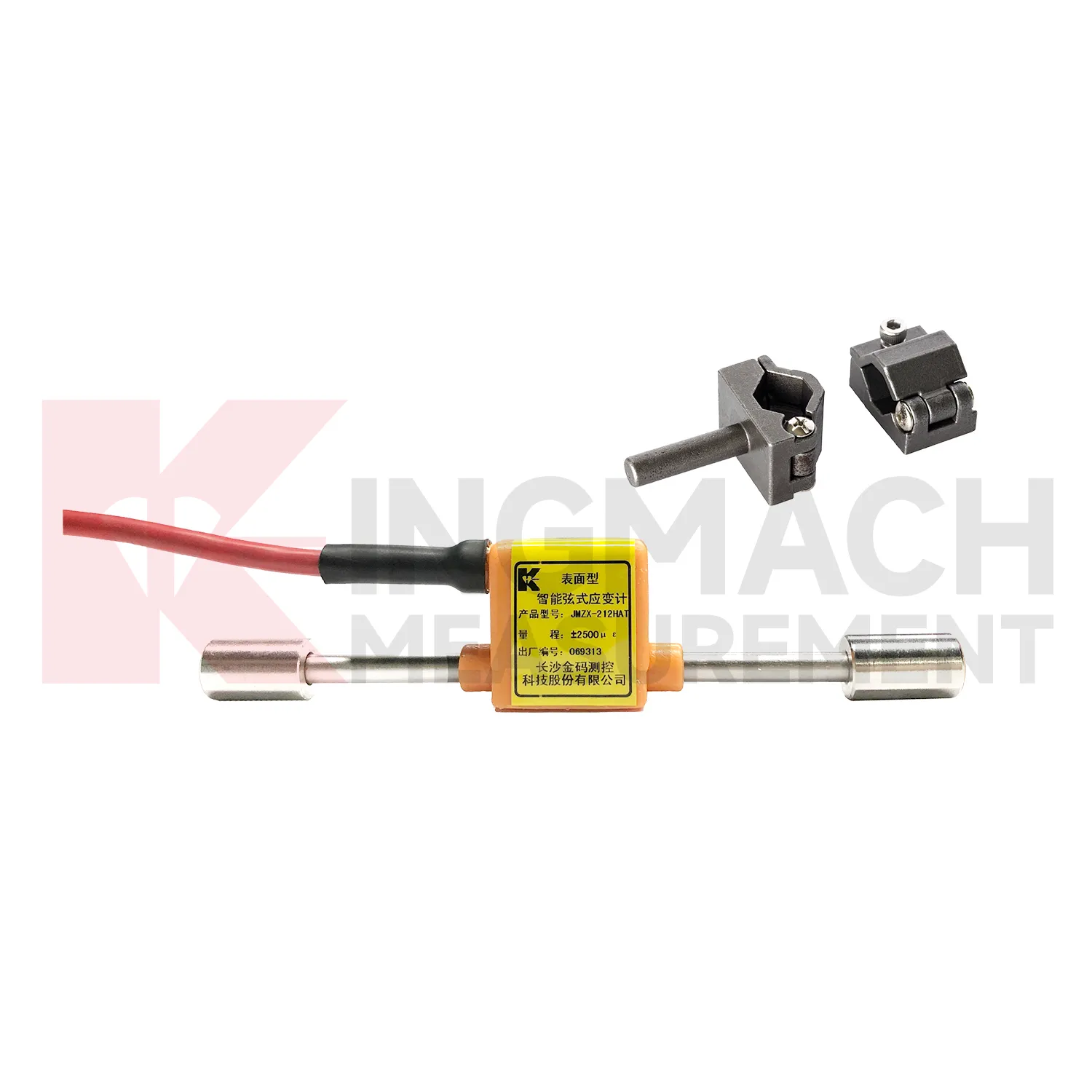
Smart vibrating wire strain gauge (surface model) JMZX-212HAT/HB
View DetailsFAQ
Start with the material you are measuring and the environment. For concrete embedment, look for a sensor with a long gauge length and rugged encapsulation. For steel, an arc‑weldable or epoxy‑bonded foil gauge often works. Also check the required strain range: most geotechnical sensors handle up to ±3000 microstrain, but verify that with the manufacturer. Kingmach can advise on gauge resistance (commonly 120 Ω or 350 Ω) and bridge wiring, and often suggests a trial installation if the setup is unusual.
A well‑installed strain gauge sensor can deliver data for years, but the environment is the biggest variable. Moisture ingress, electrical noise, and physical damage from construction all shorten lifespan. Kingmach's sensors use encapsulations rated for immersion and mechanical abuse, and regular health checks—like measuring insulation resistance—help you spot degradation before it corrupts data.
Yes. Kingmach regularly modifies standard designs—changing cable lengths, adding connectors, or adjusting the gauge pattern. For large orders, custom calibration ranges and temperature compensation profiles are possible. This is useful when you need to match a sensor to a specific material's thermal expansion coefficient or to avoid extra signal conditioning.
Foil strain gauge sensors tend to have higher frequency response and can track dynamic events, while vibrating wire gauges are often chosen for long‑term static monitoring because of their inherent stability. Cost and readout equipment also differ: strain gauges need a bridge amplifier, while vibrating wire gauges use a frequency‑based reader. Kingmach supplies both types, so the choice usually revolves around whether you need dynamic data or a simpler, drift‑free output over decades.
Kingmach's technical team provides installation guidance, troubleshooting, and recalibration services. The company has a global distributor network, so localized support is usually available. They also keep calibration records, which matters when you need to prove data traceability to regulators or clients.
Share your product type, target capacity, and application requirements. Our team can review the details and recommend a practical next step.
If you are interested in our products or want to become our partner.
Please leave your contact information, our team will contact you as soon as possible.
Mail: [email protected]
Contact Us: +8613808434127
Address: No. 188 Tongzipo West Rd, Changsha, Hunan, China