
 EN
EN
 ar
ar bg
bg hr
hr cs
cs da
da nl
nl fi
fi fr
fr de
de el
el hi
hi it
it ko
ko no
no pl
pl pt
pt ro
ro ru
ru es
es sv
sv tl
tl iw
iw id
id lv
lv lt
lt sr
sr sk
sk sl
sl uk
uk vi
vi et
et hu
hu th
th tr
tr fa
fa ms
ms hy
hy ka
ka ur
ur bn
bn mn
mn ta
ta kk
kk uz
uz ku
ku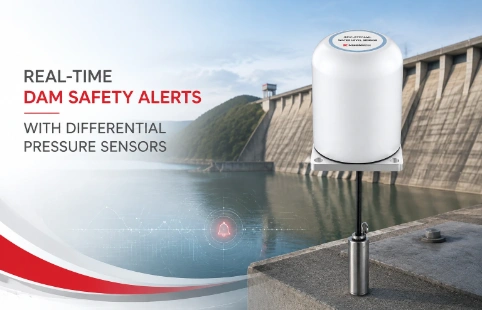
Real-Time Dam Safety Alerts with Differential Pressure Water Level Sensors
Key Takeaways An alert chain needs more than a sensor: define field in...

Strain Gauge Pressure Sensors for Field Measurements
Putting a number on underground pressure isn’t just about plugging in a sensor—it’s about catching small changes before they turn into big problems. Strain gauge pressure sensors do that by converting diaphragm deflection into a resistance shift, giving you a signal that’s easy to log and interpret. At Kingmach, we manufacture these sensors for geotechnical and structural jobs where the instrument might sit in a borehole for a decade. Our range covers low-range pore pressure cells and higher-range earth pressure monitors, with housings sealed against moisture and chemical attack. Instead of forcing a standard model into your project, we adjust cable exits, diaphragm materials, and temperature compensation to match the actual site. That means less time spent on adapters and more confidence in the long-term data stream.
Technical Detail
Mechanically, a strain gauge pressure sensor bonds a thin foil pattern onto a flexing element. As pressure pushes the diaphragm, the gauge stretches or compresses, changing its electrical resistance in a repeatable curve. Kingmach builds on this by using stainless steel bodies and electron beam welding to keep moisture out—especially important in saturated soils or concrete pour monitoring. Standard output options include 4–20 mA for industrial loops and mV/V for high-resolution logging, with accuracy drifting less than 0.5% FS per year on premium builds. Onboard temperature spans from -20°C to 80°C with active compensation, reducing thermal zero shift to under 0.03% FS/°C. Overpressure stops let the sensor survive accidental spikes up to 1.5x rated capacity without losing calibration. Each unit ships with a traceable calibration sheet, which helps when clients audit data or submit settlement reports. Cables come in custom lengths with shield termination choices, and we offer factory fitment of connectors like LEMO or M12 so the sensor drops into existing junction boxes without field splicing. For distributed projects across multiple countries, our warehousing partners cut logistics costs, while our engineers provide remote startup calls in English, Spanish, or Mandarin. The outcome is a sensor that doesn’t need constant re-zeroing or babysitting, even when buried under a highway overpass or installed in a tidal zone.
News
Key Takeaways An alert chain needs more than a sensor: define field in...
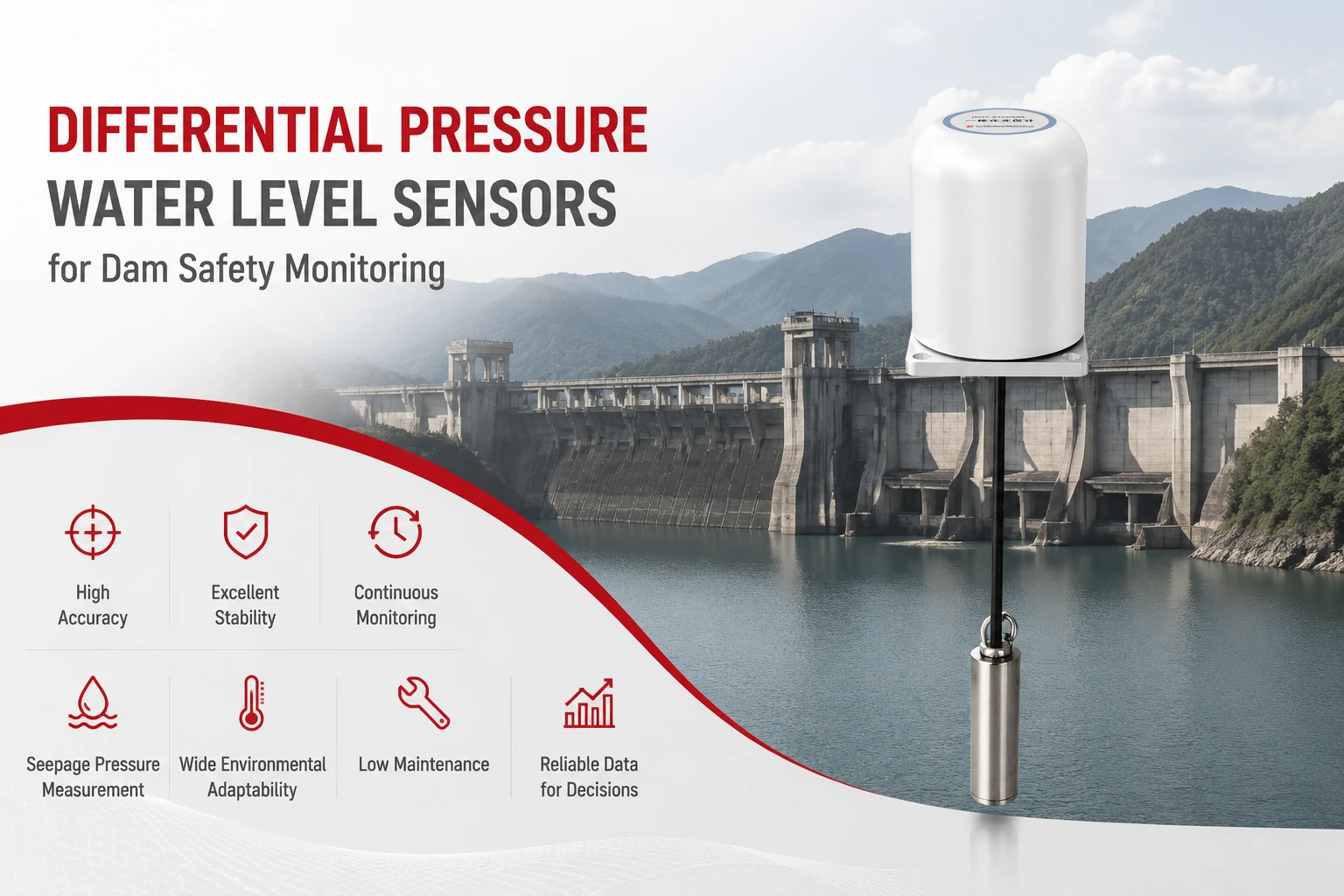
Key Takeaways The strongest fit is usually a confined, submerged, or s...
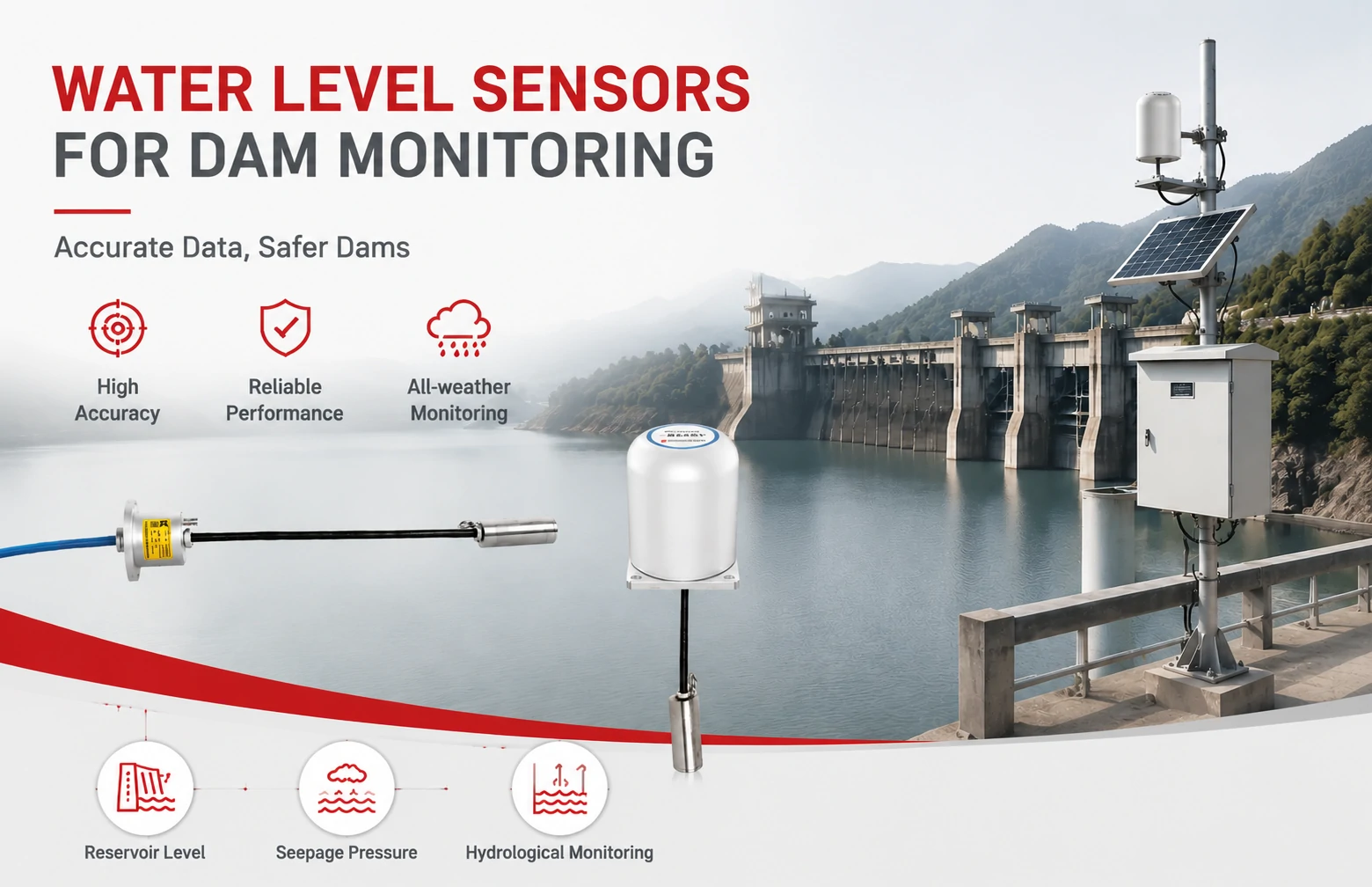
Kingmach Water Level Sensors for Dam Monitoring: A Buyer's Guide to Differential Pre...
Products
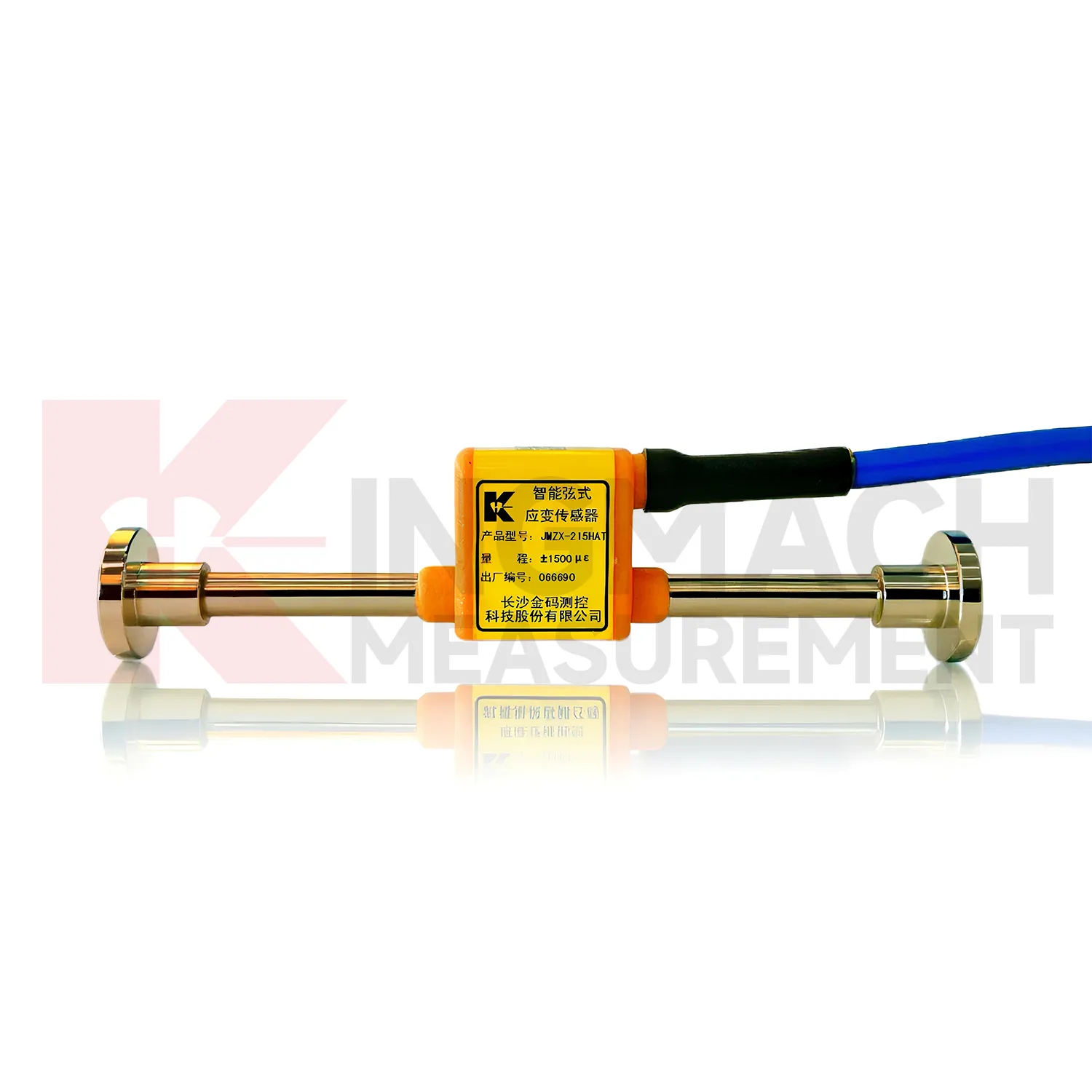
Smart vibrating wire strain gauge (embedment model) JMZX-215HA/215HAT/HB
View Details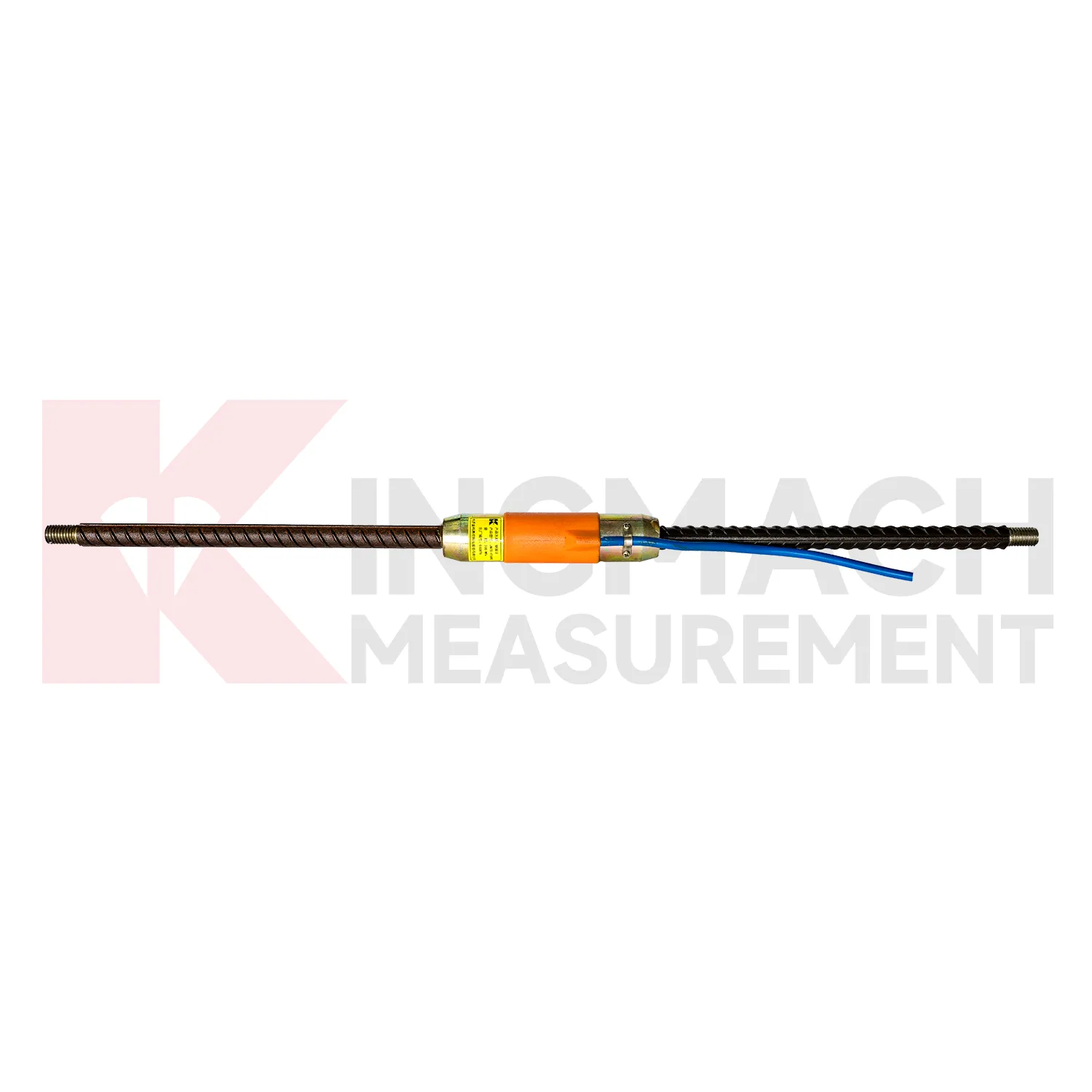
Rebar Strainmeters ( VW & Smart Type) JMZX-4XXHAT/HB
View Details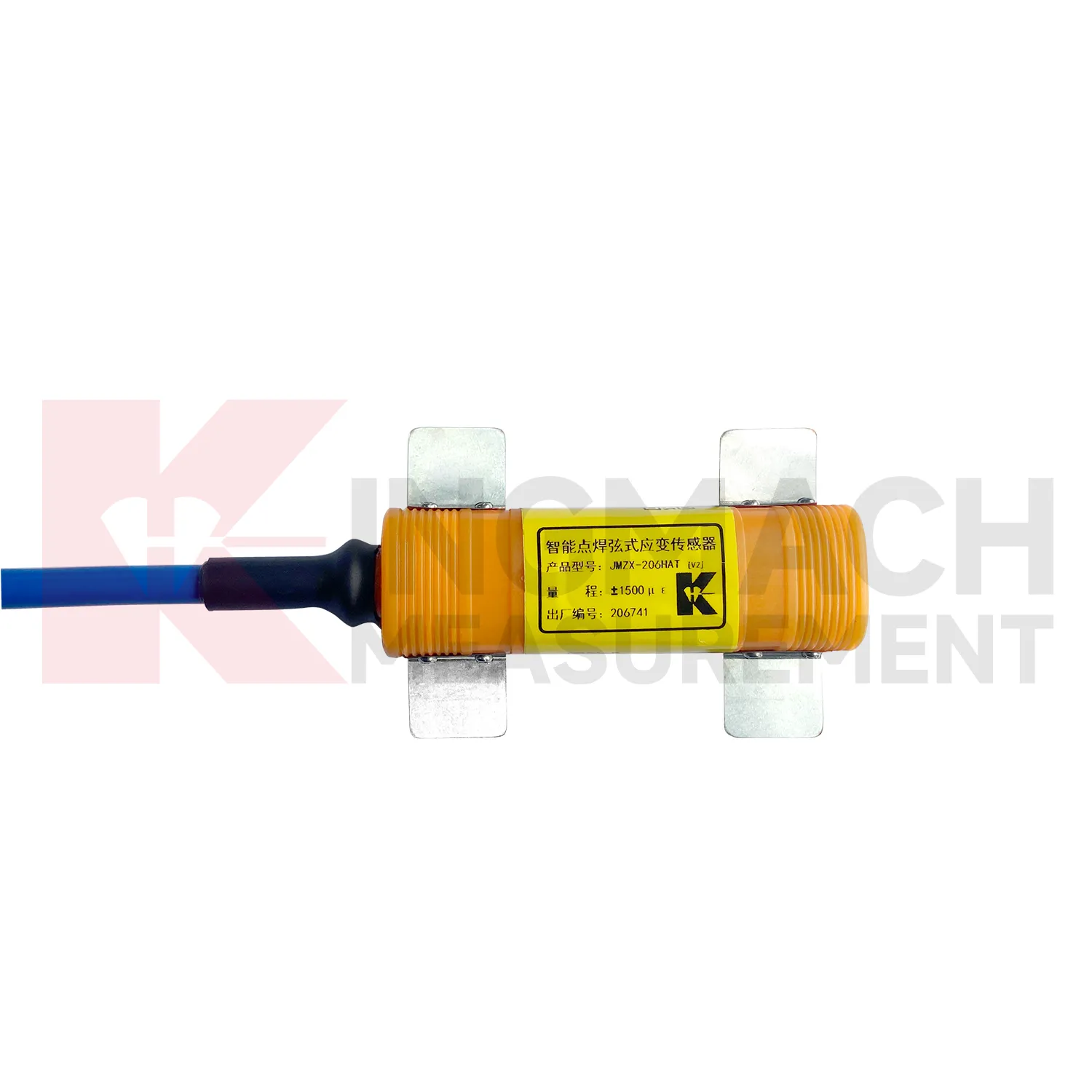
Smart vibrating wire strain gauge (surface welded model) JMZX-206HAT
View DetailsFAQ
Strain gauge sensors typically handle higher overpressure and offer better long-term stability because the foil gauge and metal diaphragm are robust. MEMS chips are smaller and cheaper but can drift faster when exposed to temperature swings or vibration. We use strain gauge technology for most geotechnical installations because the sensor stays in place for years, often without recalibration access.
Yes, our standard strain gauge pressure sensors use welded stainless steel construction and double-sealed cable entries rated for IP68 conditions. For cable submersion, we recommend specifying polyurethane-jacketed cable and a molded boot to prevent wicking. In brackish or acidic groundwater, we can switch to Hastelloy diaphragms to avoid pitting.
It depends on your data logger and noise environment. mV/V signals need a logger with precise ratiometric inputs and are fine for short cable runs. 4–20 mA loops reject noise better over long distances and allow direct connection to PLCs. We can advise on compatibility—send us your logger model and we’ll confirm the best fit.
Many custom pressure configurations ship within two to three weeks because we keep raw diaphragms and gauge patterns in stock. More exotic combinations like low-pressure 50 kPa cells with HART output may take a few extra days. We don’t charge engineering fees for standard custom work like modified cable lengths or connector swaps.
Strain gauge sensors are mainly suited for static and quasi-static measurements; if you need to capture rapid pressure spikes like blast or hammer effects, a piezoelectric sensor is more appropriate. We can help identify the crossover point based on your required frequency response and will be upfront if the technology isn’t the right match.
Share your product type, target capacity, and application requirements. Our team can review the details and recommend a practical next step.
If you are interested in our products or want to become our partner.
Please leave your contact information, our team will contact you as soon as possible.
Mail: [email protected]
Contact Us: +8613808434127
Address: No. 188 Tongzipo West Rd, Changsha, Hunan, China