
 EN
EN
 ar
ar bg
bg hr
hr cs
cs da
da nl
nl fi
fi fr
fr de
de el
el hi
hi it
it ko
ko no
no pl
pl pt
pt ro
ro ru
ru es
es sv
sv tl
tl iw
iw id
id lv
lv lt
lt sr
sr sk
sk sl
sl uk
uk vi
vi et
et hu
hu th
th tr
tr fa
fa ms
ms hy
hy ka
ka ur
ur bn
bn mn
mn ta
ta kk
kk uz
uz ku
ku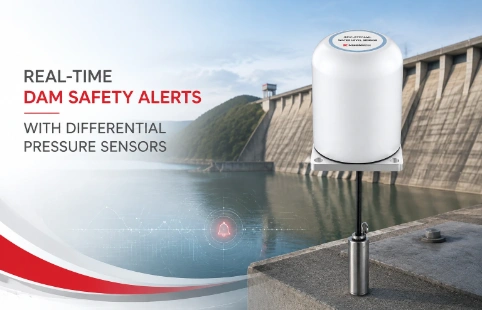
Real-Time Dam Safety Alerts with Differential Pressure Water Level Sensors
Key Takeaways An alert chain needs more than a sensor: define field in...

Strain Gauge Load Cell Applications: Real-World Monitoring Cases
In a recent subway expansion project, engineers faced a critical challenge: how to monitor the load on temporary steel struts in a deep excavation with limited access. Standard vibrating wire sensors were too slow to respond to sudden shifts. The solution came from a rarely discussed corner of geotechnical instrumentation—strain gauge load cells. These sensors deliver rapid, direct readings of compressive forces, making them ideal for dynamic environments. From bridge bearing assessments to pile load tests, strain gauge load cells quietly handle jobs where quick feedback matters. At Kingmach, we’ve seen these applications grow as contractors seek simpler, more responsive monitoring tools. This article walks through several real-world cases where strain gauge load cells provided the data teams needed, when they needed it.
Technical Detail
Strain gauge load cells convert mechanical force into an electrical signal through the deformation of bonded strain gauges. In geotechnical practice, they are often placed between structural elements—like a hydraulic jack and a retaining wall—to measure axial loads directly. Unlike hydraulic load cells, they require no fluid and are less temperature-sensitive in typical ranges, which simplifies field setup. Kingmach supplies these sensors in capacities from a few tons to several hundred tons, with full-bridge foil strain gauge configurations for temperature compensation. Custom end fittings can be machined to match existing bolts or bearing plates, avoiding the need for adapters on site. Many of our clients use them for anchor pull-out tests, where the load cell sits between the anchor head and the reaction frame. During a dam rehabilitation project in Southeast Asia, a set of low-profile strain gauge load cells monitored rock bolt tension for over two years without drift beyond 0.5% of rated output. For temporary works, such as monitoring strut forces in deep excavations, the quick installation and direct readout save time compared to more elaborate systems. Kingmach also builds units with integral signal conditioners that output 4–20 mA, compatible with most data loggers. While no sensor fits every application, strain gauge load cells offer a practical balance of accuracy, ruggedness, and ease of use for many everyday monitoring tasks.
News
Key Takeaways An alert chain needs more than a sensor: define field in...
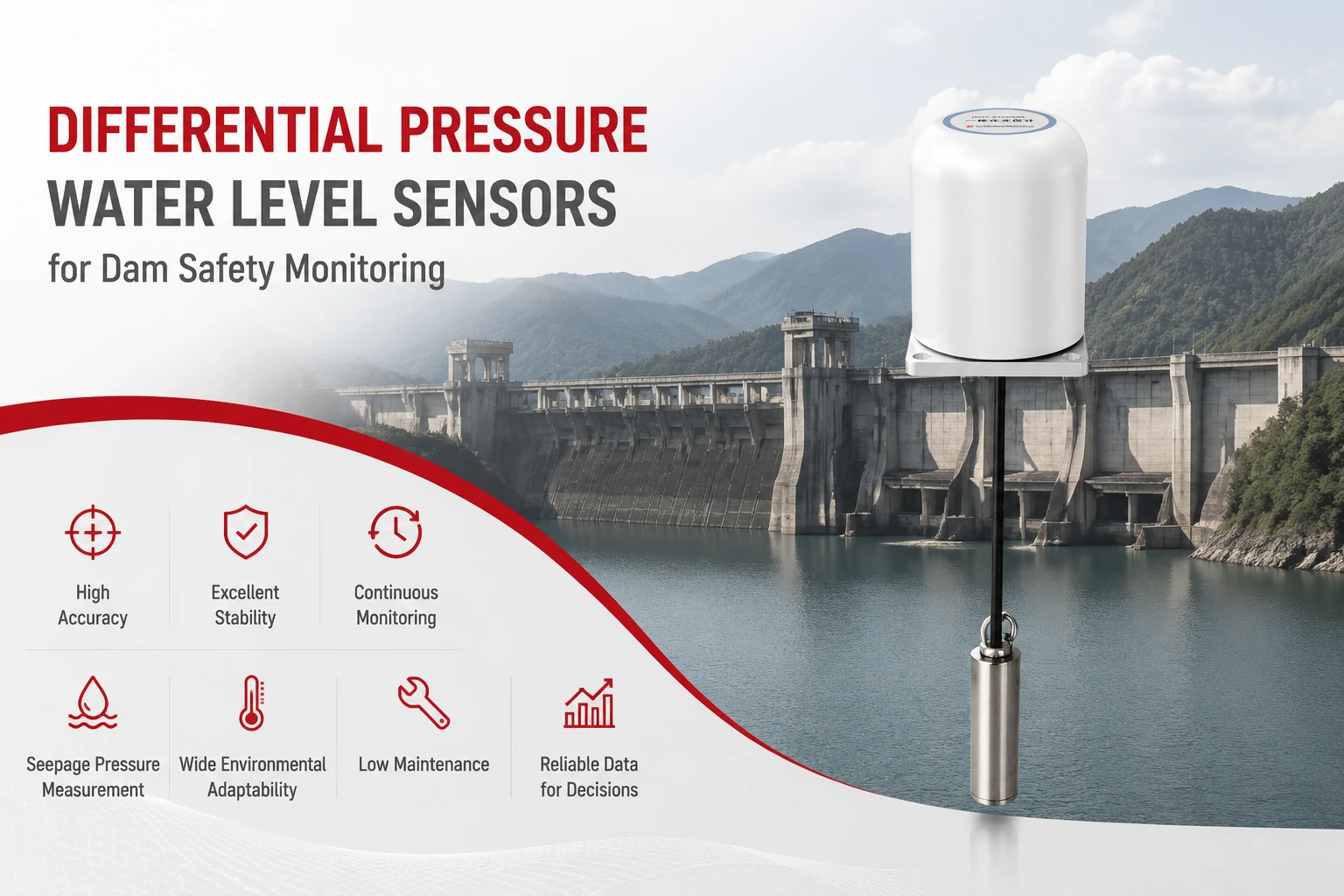
Key Takeaways The strongest fit is usually a confined, submerged, or s...
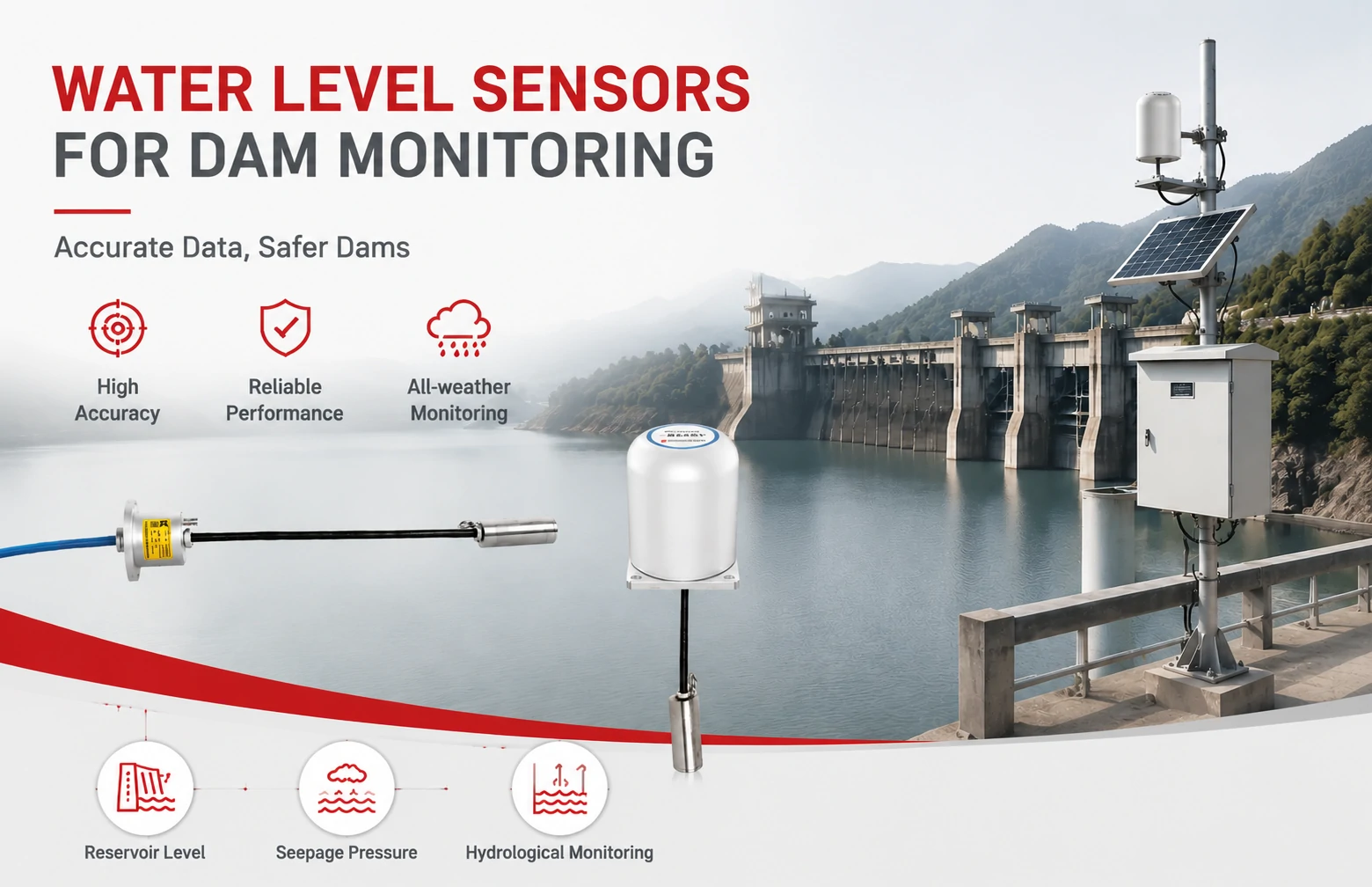
Kingmach Water Level Sensors for Dam Monitoring: A Buyer's Guide to Differential Pre...
Products
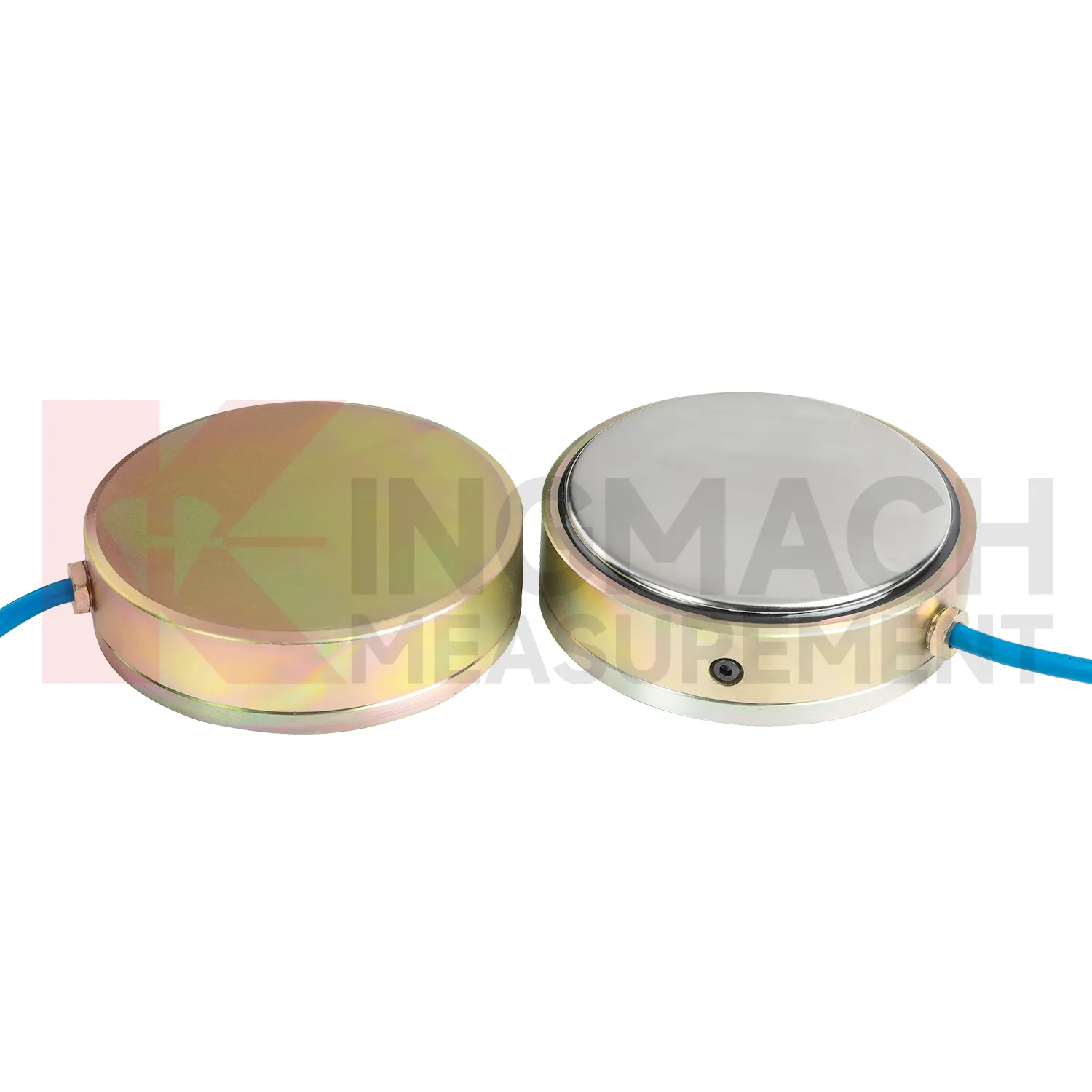
Earth Pressure Cell ( VW & Smart Type) JMZX-50XXAT/ ATM
View Details
Axial Force Load Meter ( VW & Smart Type)JMZX-38XXHAT
View DetailsLarge Earth Pressure Cell ( VW & Smart Type) JMZX-51XXAT/ ATM
View DetailsFAQ
They appear in a variety of places: monitoring tieback anchors in retaining walls, measuring strut loads during deep excavations, verifying pile load test results, and checking cable tension on temporary bridges. Anything where you need a direct force reading and quick installation tends to favor strain gauge load cells.
Vibrating wire load cells are often chosen for very long-term installations because the frequency signal is less prone to drift. Strain gauge types, however, respond faster to load changes and cost less upfront. With proper sealing and stable electronics, strain gauge load cells can still deliver reliable data for years—many of our units stay within specification for over five years in buried conditions.
Yes. We regularly machine load cells with non-standard bolt patterns, spherical seating surfaces, or low-profile housings to fit into tight spaces. If you can provide a drawing or even a rough sketch, we can usually build a sensor that drops into your existing setup without extra modifications on site.
Mostly keeping the connector or cable dry. If the load cell is buried, a good waterproof junction box handles corrosion. We recommend checking the zero reading every few months and after any major weather event. Beyond that, solid-state strain gauge sensors don’t require much attention.
For tests like anchor proof loading, strain gauge load cells with proper calibration can meet the ISO 7500-1 Class 1 accuracy requirements often specified. We supply each sensor with a calibration certificate traceable to national standards. As long as the load cell is sized appropriately—not too large for the expected load—it works well for acceptance testing.
Share your product type, target capacity, and application requirements. Our team can review the details and recommend a practical next step.
If you are interested in our products or want to become our partner.
Please leave your contact information, our team will contact you as soon as possible.
Mail: [email protected]
Contact Us: +8613808434127
Address: No. 188 Tongzipo West Rd, Changsha, Hunan, China