
 EN
EN
 ar
ar bg
bg hr
hr cs
cs da
da nl
nl fi
fi fr
fr de
de el
el hi
hi it
it ko
ko no
no pl
pl pt
pt ro
ro ru
ru es
es sv
sv tl
tl iw
iw id
id lv
lv lt
lt sr
sr sk
sk sl
sl uk
uk vi
vi et
et hu
hu th
th tr
tr fa
fa ms
ms hy
hy ka
ka ur
ur bn
bn mn
mn ta
ta kk
kk uz
uz ku
ku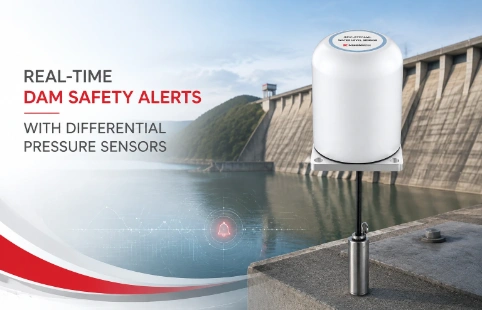
Real-Time Dam Safety Alerts with Differential Pressure Water Level Sensors
Key Takeaways An alert chain needs more than a sensor: define field in...

Load Cell Sensors with Proven Stability for Field Monitoring
Load cell sensors built for long-term geotechnical monitoring have to handle more than just a range of forces. Temperature swings, moisture, and installation stress can all throw off readings if the sensor isn’t designed with field conditions in mind. At Kingmach, we focus on practical performance—our load cells are tested in real monitoring scenarios before they ever reach your site. Whether you’re anchoring a retaining wall, tracking rock bolt tension, or measuring cable forces, the right sensor geometry and protection matter just as much as the electronics inside. This page walks through how we think about these sensors, what matters when selecting one, and where our customers put them to work.
Technical Detail
Kingmach Measurement & Monitoring Technology Co., Ltd. has been manufacturing geotechnical instruments for over a decade, and load cell sensors form a central part of our lineup. We’re not the cheapest on the market, but we aim to be the most reliable in the mid-range—where projects demand consistent data without excessive cost. Our load cells are most commonly used in foundation engineering, tunnel monitoring, and structural health applications. Each sensor is built around a strain gauge element sealed inside a rugged alloy steel or stainless steel housing, with IP67 or IP68 protection as standard. Bonded foil strain gauges provide the core measurement, and we use a temperature-compensated Wheatstone bridge circuit to minimize drift. This matters because a load cell buried under a bridge abutment cannot be recalibrated easily; it has to hold its zero for years. We offer options like center-hole, column, and shear-pin configurations, and we can adapt dimensions, cable lengths, and output signals to fit your data logger. Our internal testing shows less than 0.1% full-scale non-linearity in typical units, but we publish individual calibration certificates with each sensor. Customization includes sealing against corrosive environments, embedding anchors for direct concrete embedding, or adding thermistors for temperature monitoring. Our global distribution network and dedicated after-sales engineers mean you can get technical support when you need it, whether you are in Southeast Asia, the Middle East, or Europe. If you have a requirement that isn’t in our standard catalog, we encourage you to contact us with a sketch or specification—we often design one-off solutions for unusual load paths or space constraints.
News
Key Takeaways An alert chain needs more than a sensor: define field in...
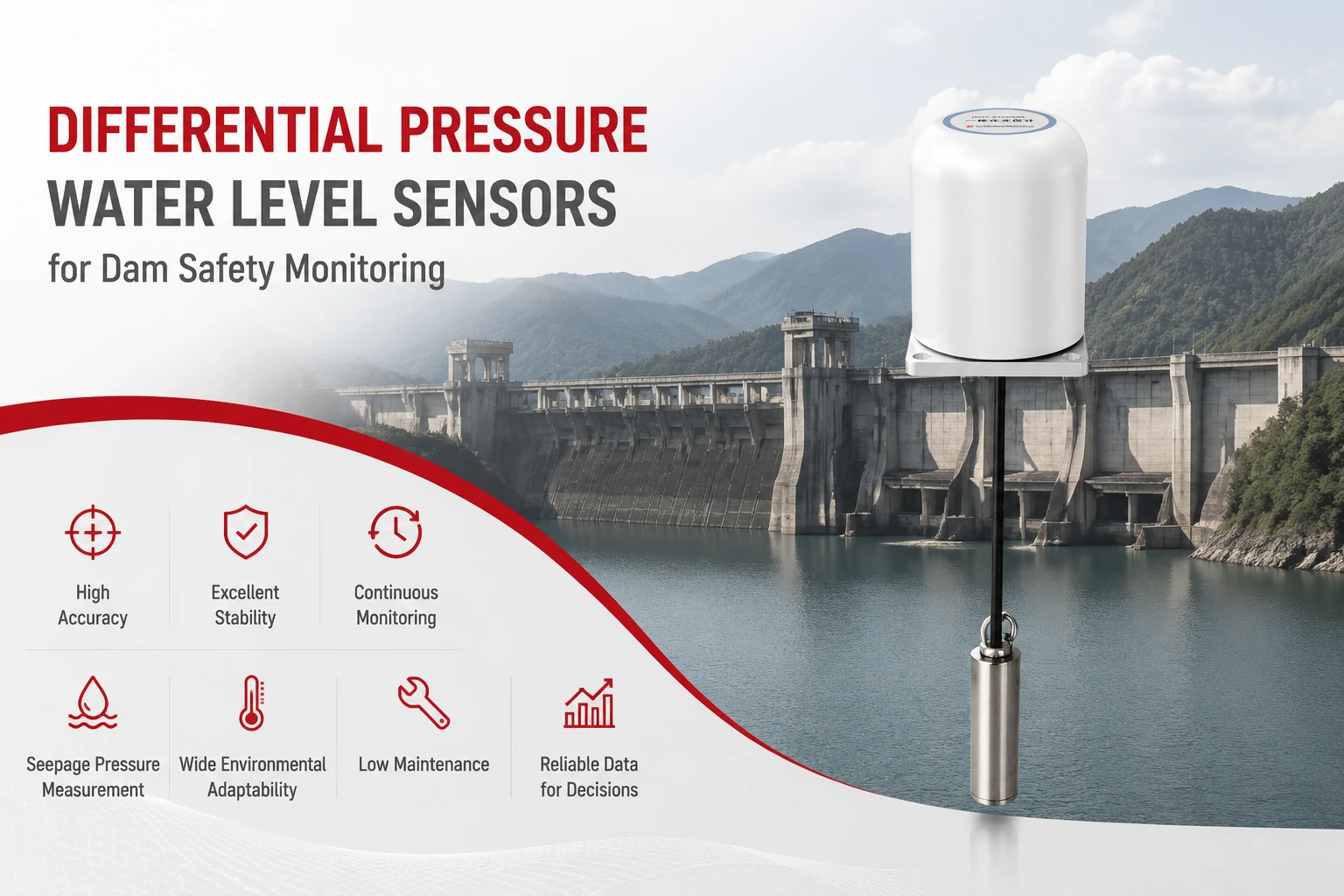
Key Takeaways The strongest fit is usually a confined, submerged, or s...
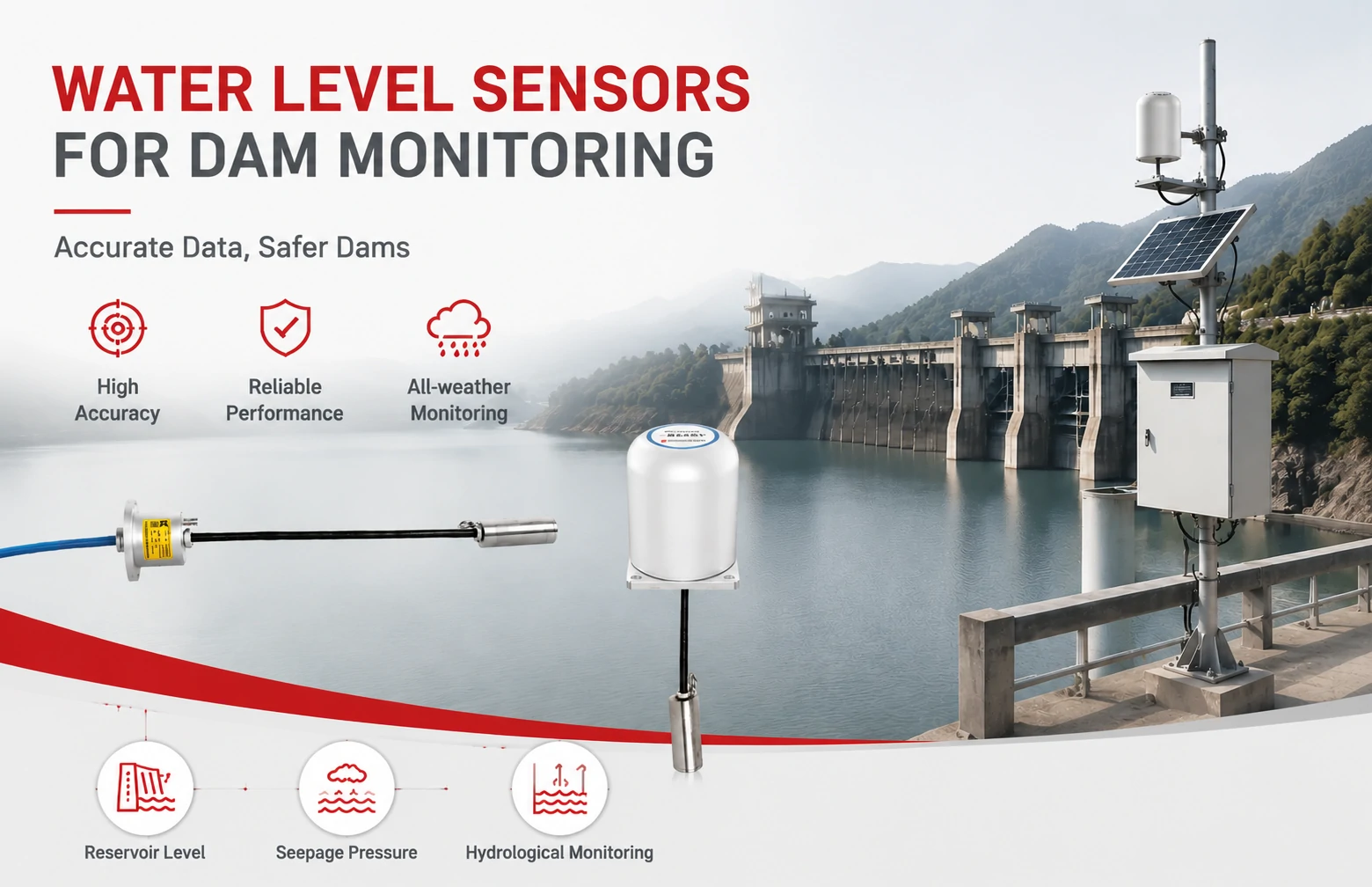
Kingmach Water Level Sensors for Dam Monitoring: A Buyer's Guide to Differential Pre...
Products
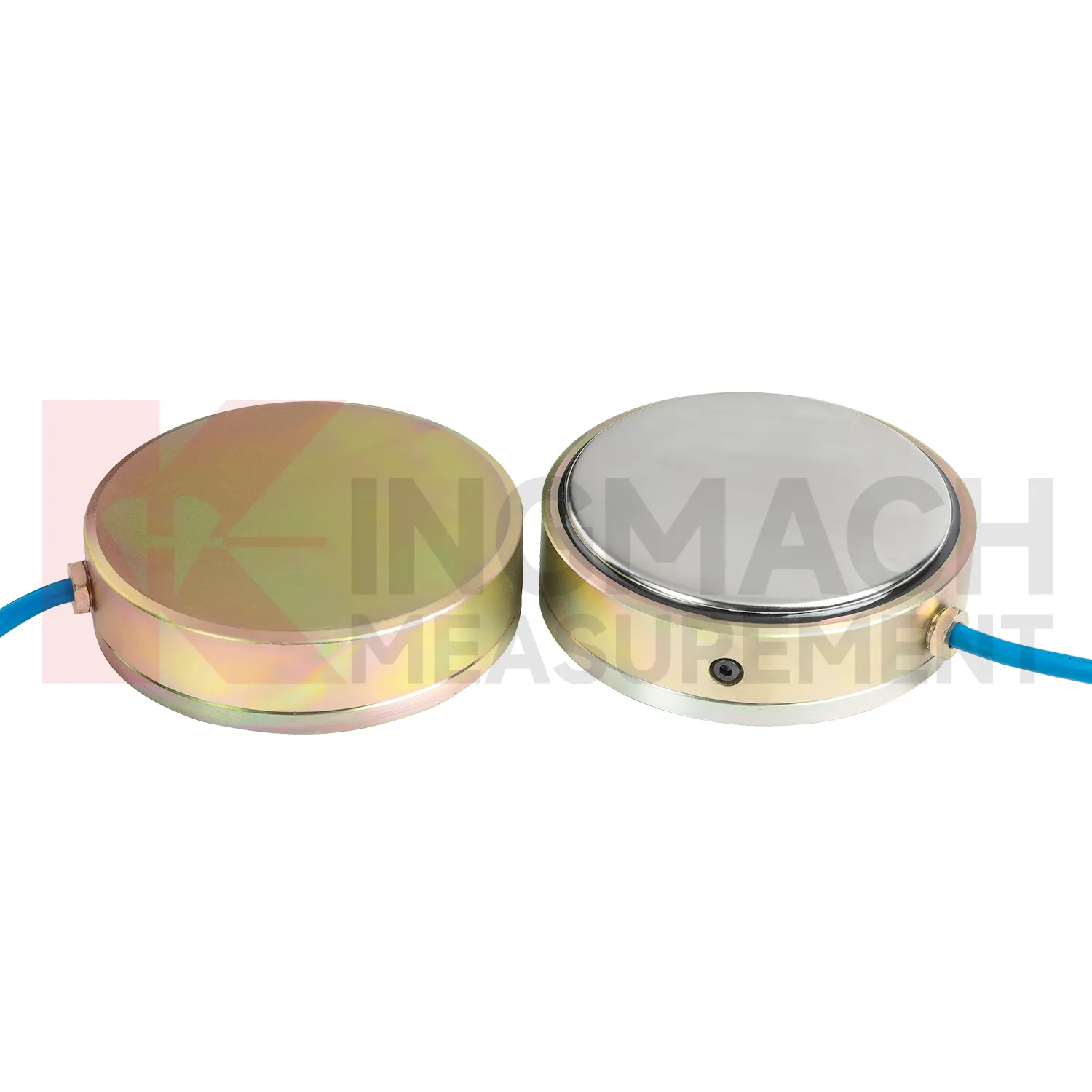
Large Earth Pressure Cell ( VW & Smart Type) JMZX-51XXAT/ ATM
View Details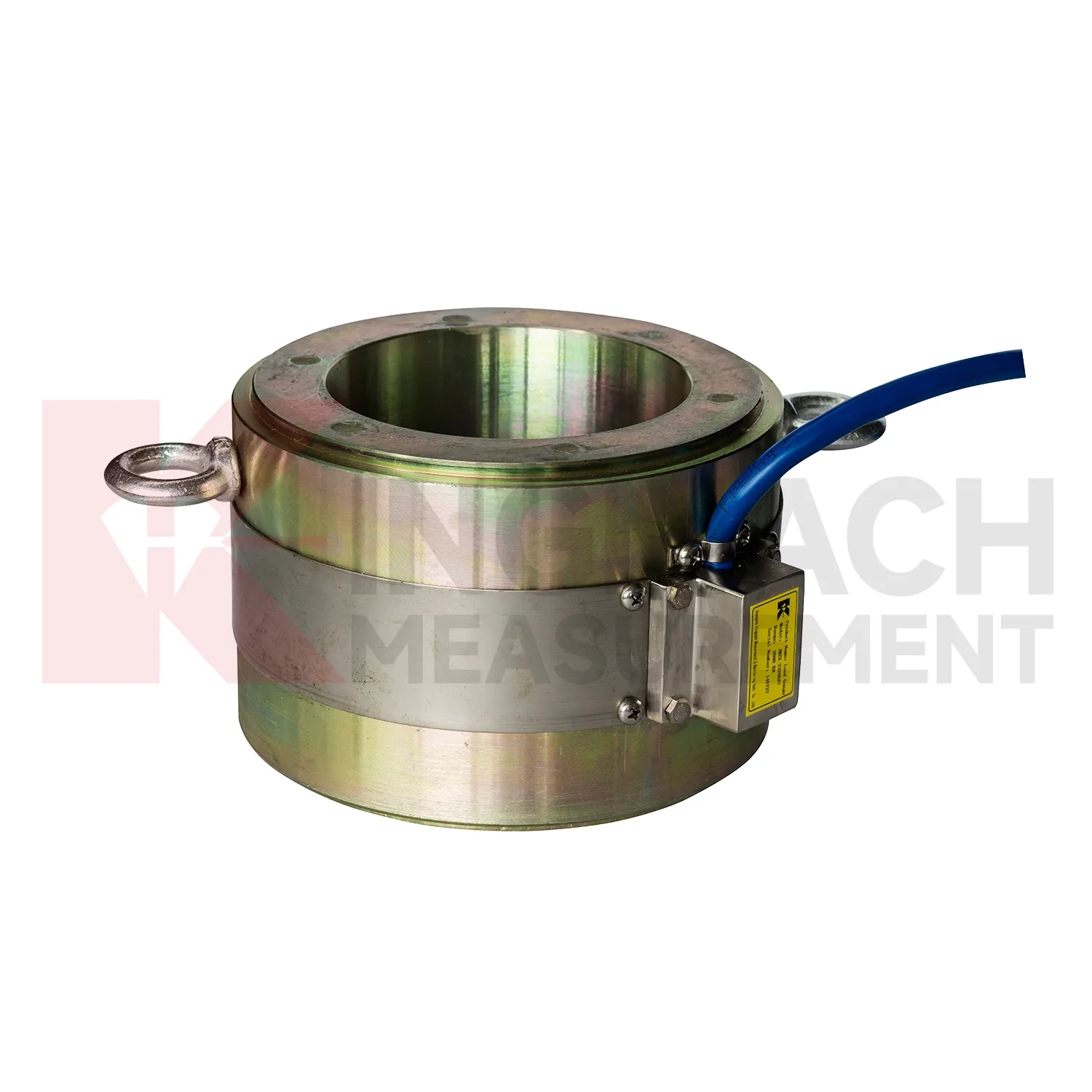
Earth Pressure Cell ( VW & Smart Type) JMZX-50XXAT/ ATM
View DetailsFAQ
Center-hole load cells are designed to sit around a tensioned bar or strand, while solid load cells measure compression directly. For ground anchors, the center-hole type is standard because it allows the anchor to pass through and applies a known seating load. If you are measuring under a jack or bearing plate, a column load cell works better. We can help you decide based on your anchor diameter and load range.
Most of our load cells output a millivolt signal at rated capacity, commonly 1–2 mV/V, which you’d read with a strain gauge amplifier or datalogger. We can also supply 4–20 mA or 0–5 V versions with an inline signal conditioner if your acquisition system is further away. State your preference when inquiring.
Yes, we can build them with full stainless steel construction and IP68 sealing for submerged environments. We also use a multi-layered sealing process around the cable entry and fill the internal cavity with inert gel to prevent condensation. These are often used in dam gate force monitoring or bridge bearing reaction measurement.
We calibrate every sensor to its rated capacity and provide a calibration certificate traceable to national standards. If your maximum expected load is well below the full scale, we can discuss a lower-ranged element to improve resolution, though mechanical overrange protection will remain unchanged.
Standard configurations usually ship within 2–3 weeks. A new custom design may add 3–4 weeks for engineering review and testing, depending on complexity. We keep a stock of raw materials for common ranges, which helps speed things up.
Share your product type, target capacity, and application requirements. Our team can review the details and recommend a practical next step.
If you are interested in our products or want to become our partner.
Please leave your contact information, our team will contact you as soon as possible.
Mail: [email protected]
Contact Us: +8613808434127
Address: No. 188 Tongzipo West Rd, Changsha, Hunan, China