
 EN
EN
 ar
ar bg
bg hr
hr cs
cs da
da nl
nl fi
fi fr
fr de
de el
el hi
hi it
it ko
ko no
no pl
pl pt
pt ro
ro ru
ru es
es sv
sv tl
tl iw
iw id
id lv
lv lt
lt sr
sr sk
sk sl
sl uk
uk vi
vi et
et hu
hu th
th tr
tr fa
fa ms
ms hy
hy ka
ka ur
ur bn
bn mn
mn ta
ta kk
kk uz
uz ku
ku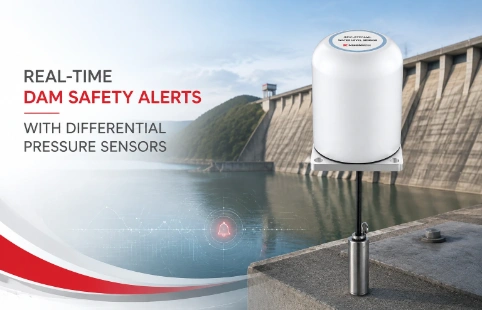
Real-Time Dam Safety Alerts with Differential Pressure Water Level Sensors
Key Takeaways An alert chain needs more than a sensor: define field in...

Inclinometer Application: Field-Proven Monitoring Strategies
A slope stability assessment often stumbles not at instrument installation, but at data interpretation. An inclinometer casing gets grouted into a borehole, readings get taken, and then the real questions begin: is that slight displacement just thermal drift, or the first sign of a deep-seated slide? For geotechnical engineers, the practical inclinometer application draws on more than just probe specs; it hinges on understanding how ground movement actually behaves over time. Kingmach has supported hundreds of monitoring programs across different site conditions, and the pattern is consistent—successful projects treat inclinometer data as a narrative, not a single snapshot. This guide walks through common application scenarios and pitfalls, drawing from field experience rather than textbook theory.
Technical Detail
When discussing inclinometer application in geotechnical monitoring, most projects fall into three core tasks: detecting shear zones in landslides, tracking lateral movement behind retaining walls, and monitoring deep excavation influence on adjacent structures. Each application demands careful planning of casing depth and sensor selection. For landslide monitoring, the golden rule is to extend the casing at least 5 meters past any predicted failure surface—too shallow, and the movement zone gets missed entirely. In urban excavation, setup frequency often increases during active construction phases, then tapers off once deformations stabilize. Kingmach’s range of portable and in-place inclinometers shares a modular design philosophy: operators can swap probes between sites without recalibration hassles. One underappreciated detail is cable management; twisted cables during lowering introduce noisy data that can mimic micro-displacement. Field technicians at Kingmach often pass along this tip: mark cable markings with contrasting tape at the top, middle, and bottom positions to quickly spot any twist during operation. Beyond hardware, many teams find value in combining inclinometer data with piezometer or settlement readings for a more complete picture. The raw angle measurements become truly actionable when correlated with rainfall or excavation depth timelines. This kind of integrated analysis is where independent monitoring firms and in-house teams rely on Kingmach’s technical support network, which spans multiple continents and offers on-call assistance for troubleshooting irregular data patterns. Whether the site is a remote mountain slope or a downtown concrete jungle, the core goal remains the same: turning precise tilt measurement into early warnings that leave enough time to act.
News
Key Takeaways An alert chain needs more than a sensor: define field in...
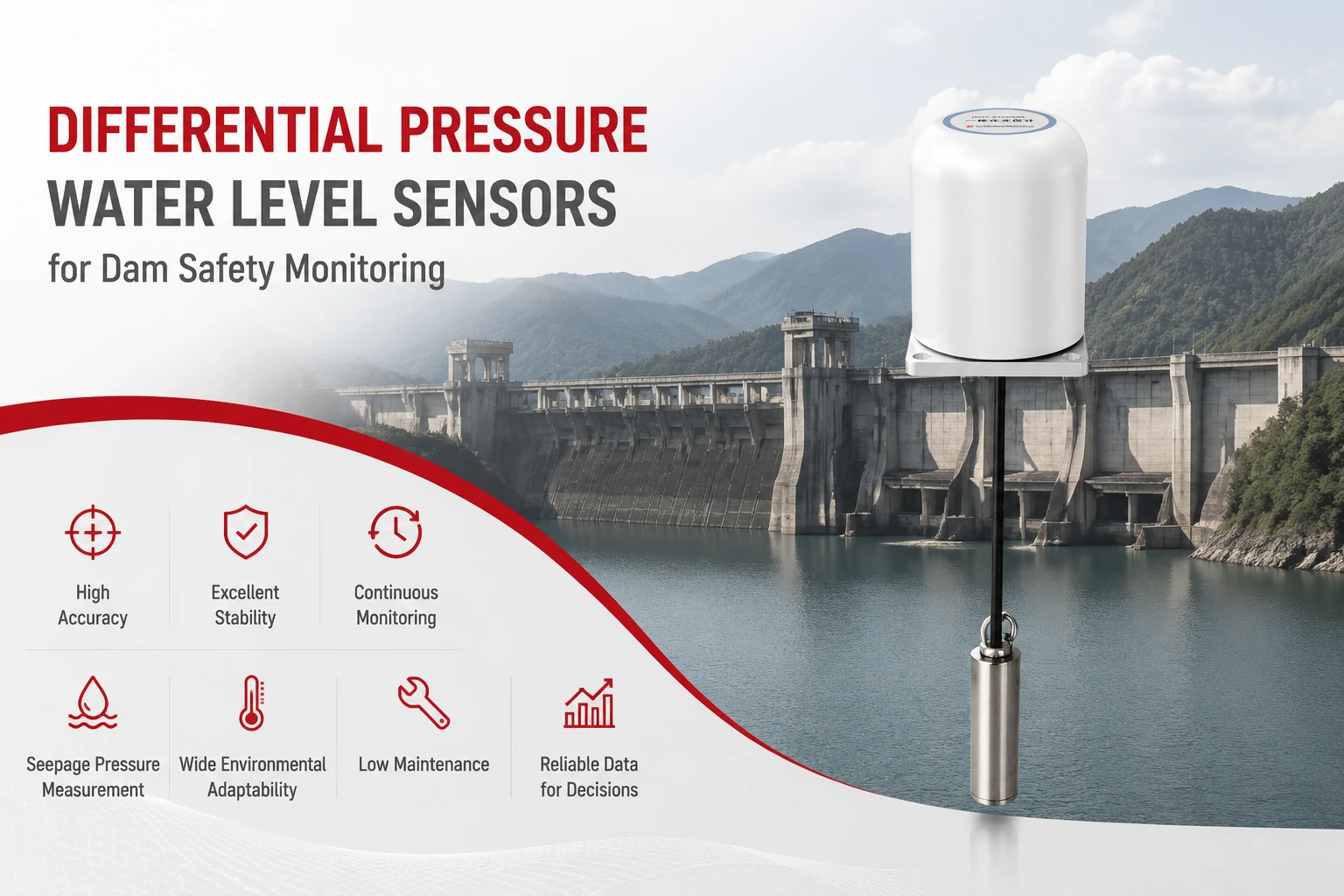
Key Takeaways The strongest fit is usually a confined, submerged, or s...
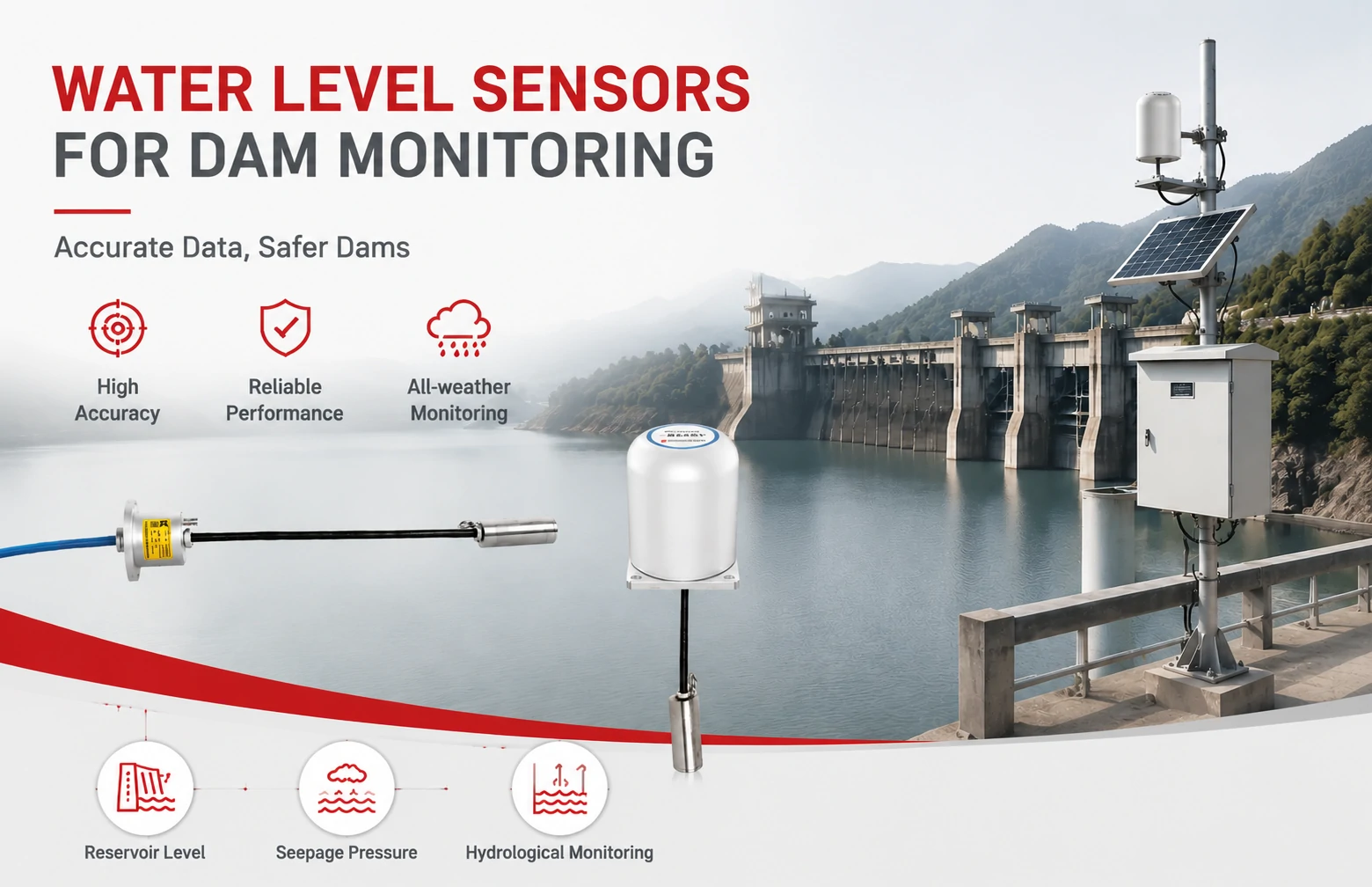
Kingmach Water Level Sensors for Dam Monitoring: A Buyer's Guide to Differential Pre...
Products
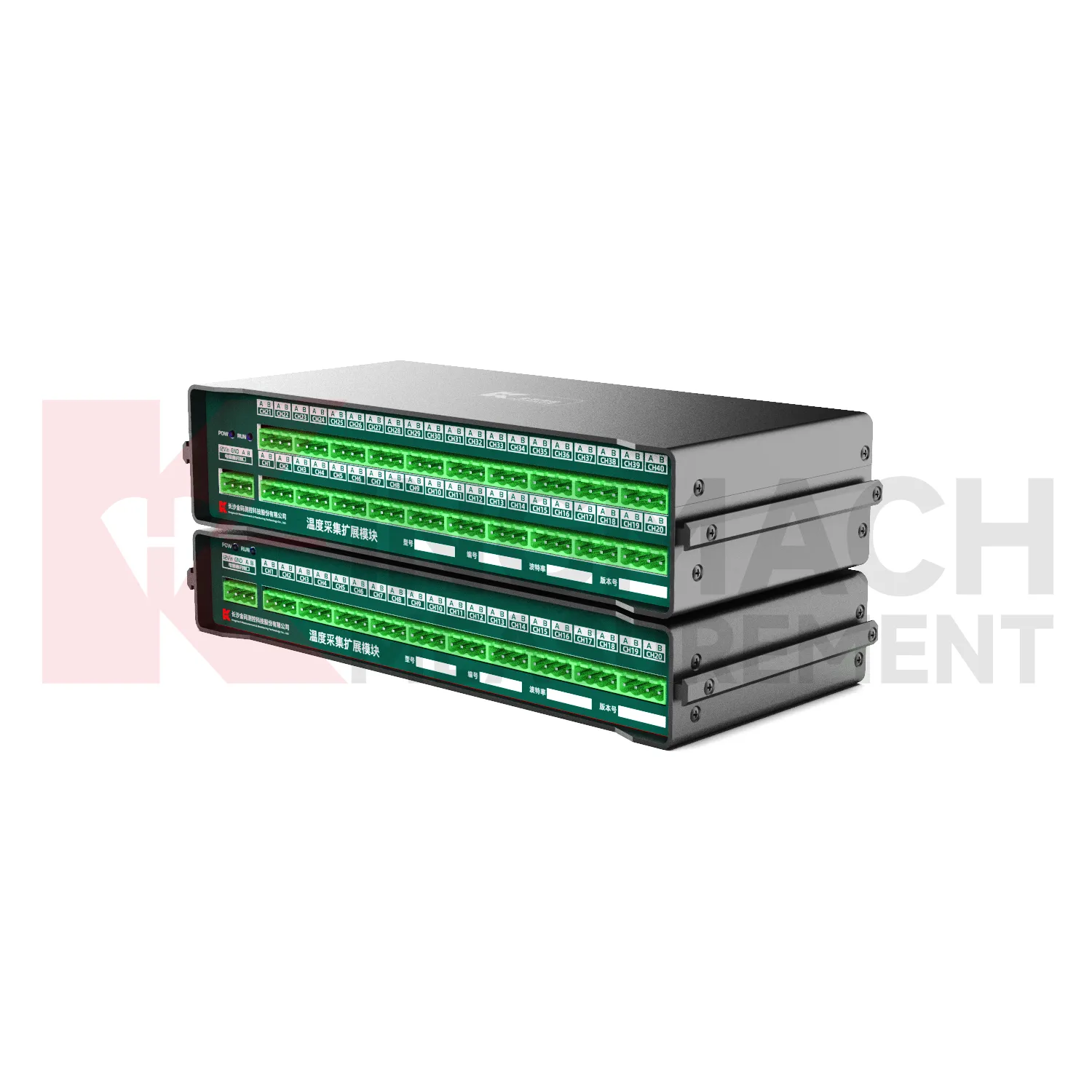
Temperature Acquisition Expansion Module JMWT-XXRTH
View Details
FAQ
The casing should penetrate at least 5 meters below the deepest anticipated shear zone. In practice, field surveys and initial borehole logs help estimate this depth. If no clear failure surface is known, a common strategy is to drill into competent bedrock and ensure the bottom section of casing remains stationary, providing a reliable reference point. Kingmach casing solutions can be extended with proven coupling methods if deeper reach becomes necessary during drilling.
Sudden spikes often result from mechanical issues such as a dirty casing groove, a stuck probe, or cable snagging. Before suspecting actual ground movement, it’s worth pulling the probe up slowly, cleaning the wheels with a soft cloth, and lowering it again while keeping light tension on the cable. If spikes persist at the same depth, the casing may have developed a kink or pinch point. In that case, a smaller-diameter probe or a grooved reaming pass can sometimes salvage the installation.
Yes, but with limitations. Traditional inclinometers measure cumulative deformation over time, not high-frequency vibration. For blasting monitoring, in-place inclinometer chains connected to dynamic data loggers can capture inclination changes at select depths. However, the primary purpose is often to check for permanent displacement post-blast rather than real-time vibration amplitudes. During active blasting phases, it’s advisable to set post-blast observation windows and compare readings to pre-blast baselines to identify any irreversible shift.
Temperature gradients can cause apparent deflection in inclinometer readings, mainly through thermal expansion or contraction of the casing and probe components. This effect is more pronounced in long vertical casings exposed to sunlight near the top. A practical countermeasure is to take readings at roughly the same time of day and to shield the top of the casing from direct sun. Advanced digital probes often include temperature compensation algorithms, but for critical baselines, operators sometimes install a secondary thermistor string alongside the casing to correct data during analysis.
Share your product type, target capacity, and application requirements. Our team can review the details and recommend a practical next step.
If you are interested in our products or want to become our partner.
Please leave your contact information, our team will contact you as soon as possible.
Mail: [email protected]
Contact Us: +8613808434127
Address: No. 188 Tongzipo West Rd, Changsha, Hunan, China