
 EN
EN
 ar
ar bg
bg hr
hr cs
cs da
da nl
nl fi
fi fr
fr de
de el
el hi
hi it
it ko
ko no
no pl
pl pt
pt ro
ro ru
ru es
es sv
sv tl
tl iw
iw id
id lv
lv lt
lt sr
sr sk
sk sl
sl uk
uk vi
vi et
et hu
hu th
th tr
tr fa
fa ms
ms hy
hy ka
ka ur
ur bn
bn mn
mn ta
ta kk
kk uz
uz ku
ku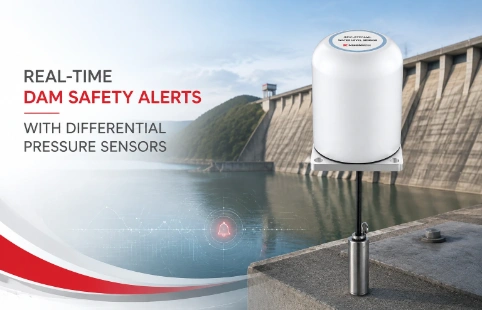
Real-Time Dam Safety Alerts with Differential Pressure Water Level Sensors
Key Takeaways An alert chain needs more than a sensor: define field in...

High Sensitivity Accelerometer Solutions for Critical Monitoring
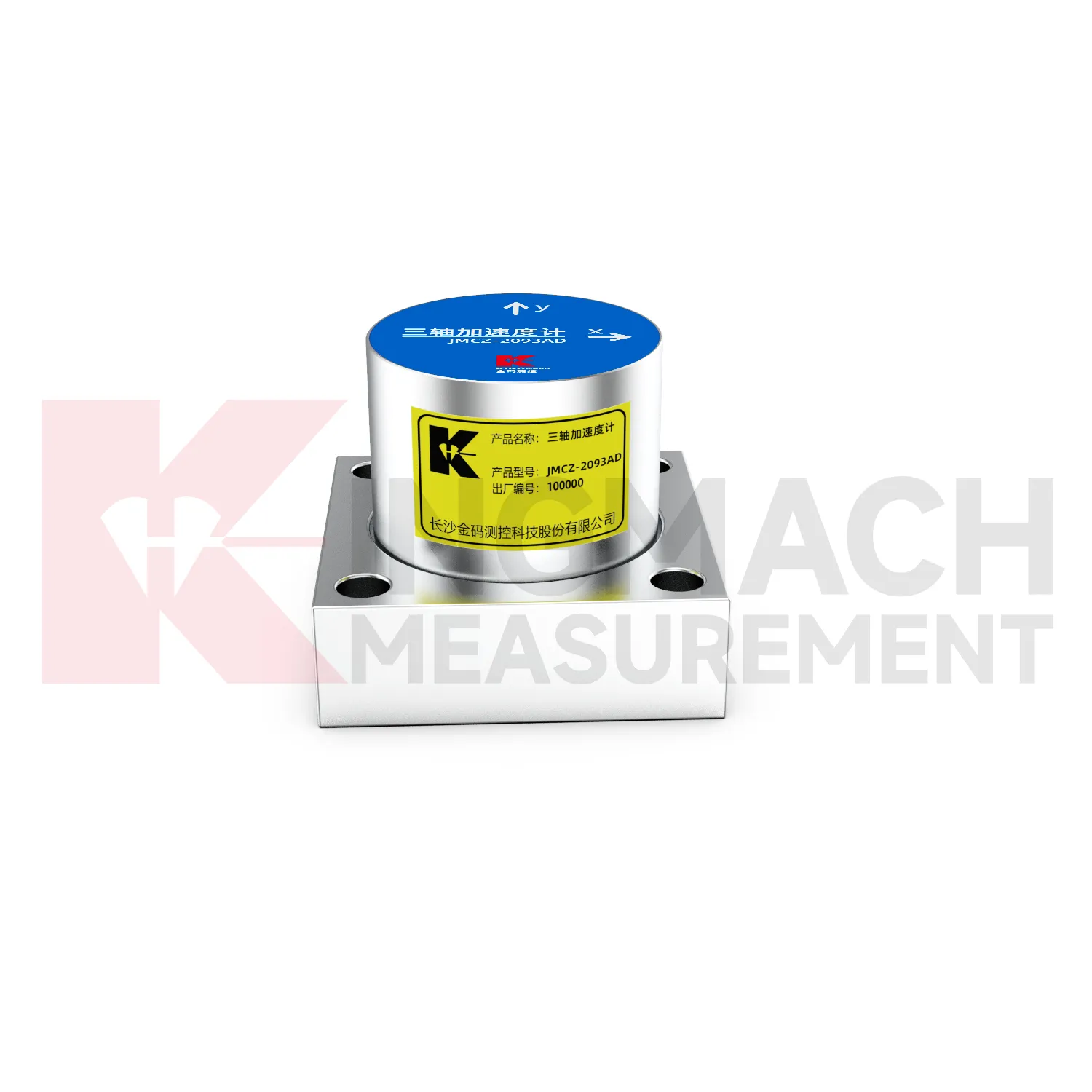
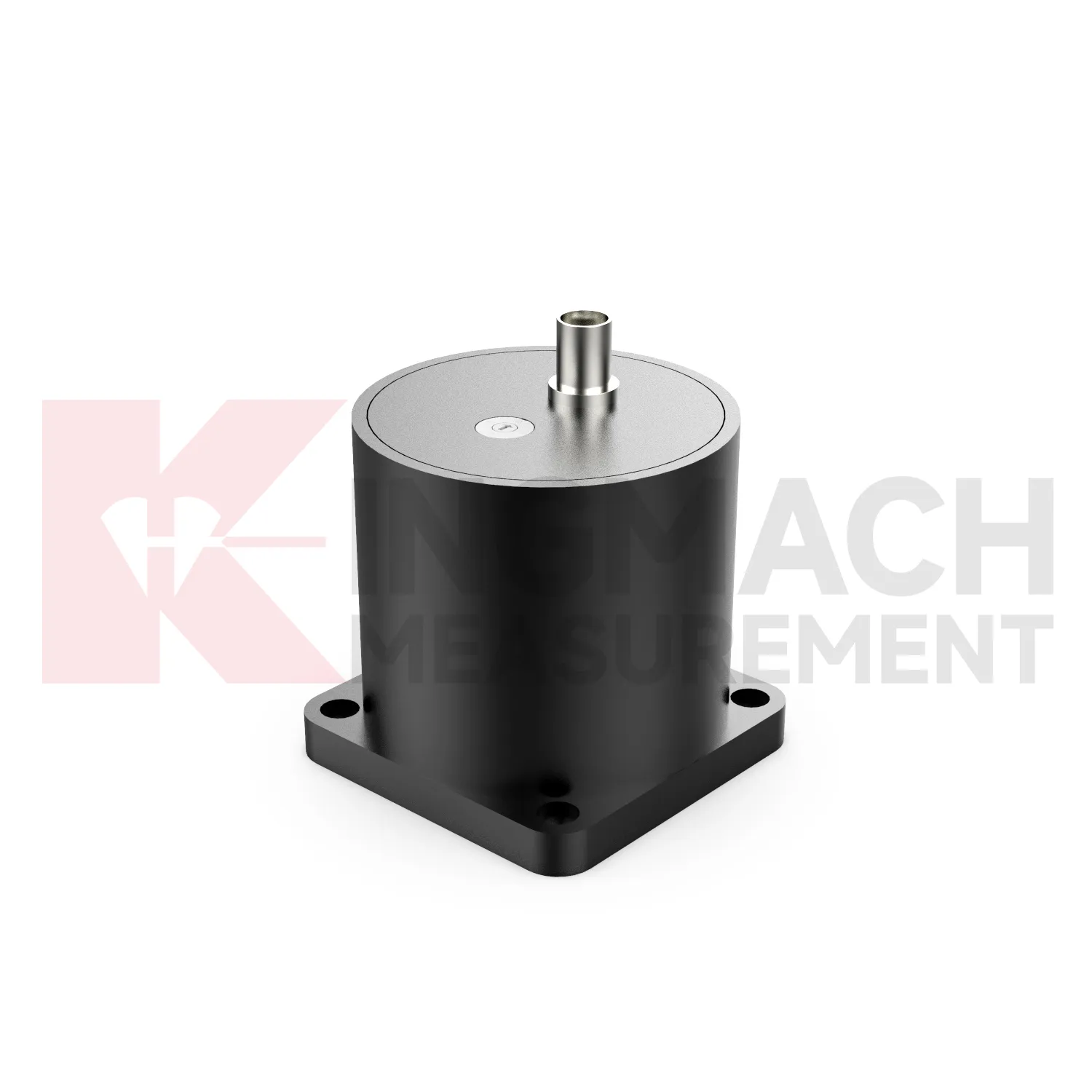
When you need to catch tiny vibrations that other sensors miss, a high sensitivity accelerometer is the only practical choice. Sites from long‑span bridges to rotating kilns rely on these instruments for early warning and condition data. Standard accelerometers just do not resolve the sub‑mg signals that matter. Kingmach builds its high sensitivity models around field‑proven piezoelectric and MEMS cores, biasing the noise floor low enough for ambient‑level monitoring. The result is a device that stays useful from seismic frequencies up into the kilohertz band, giving engineers one less thing to worry about on a monitoring channel. A lot of our customers use them in structural health arrays, down‑hole microseismic surveys, and precision machine tool analytics. Because every job has its own cabling, mounting, and environmental constraints, we keep the housing, connector, and filtering open to modification. That way you are not forced into a stock sensor that almost fits.
Technical Detail
A high sensitivity accelerometer starts with a sensing element tuned to deliver a strong electrical output per unit of acceleration, typically in the range of 1000 mV/g or higher. Kingmach supplies both IEPE pre‑amplified designs and charge‑mode accelerators so the interface matches whatever your data logger expects. The low‑noise internal electronics keep the resolution floor under 0.5 µg/√Hz on selected models, making them usable for ground‑borne vibration surveys that have to pick out train or construction noise from natural background motion. Frequency response curves are shaped to give a flat ±5% band from 0.1 Hz to 5 kHz on the wide‑end variants, but we also build narrow‑band versions for specific structural modes. The casework is sealed to IP67 as a minimum on our geotechnical line, with welded stainless‑tin housings optioned for marine and underwater deployments. Built‑in protection circuits help the sensor ride through accidental overloads without latching up. Every unit leaves our calibration lab with a digital trace to its own serial number, so you have a living fingerprint rather than a generic specification sheet. Mounting adaptations cover stud, magnetic, cementing, and quick‑connect couplers, avoiding the extra cost of third‑party fixtures. Because we manufacture in‑house, lead times on custom sensitivities or special low‑temp compensation stays manageable even for small batch runs. If you are running a distributed monitoring system, we can supply the cable assemblies, junction boxes, and signal conditioners that sit between the accelerometer and the central node. Field support through our regional partners keeps installation and commissioning predictable across time zones.
News
Key Takeaways An alert chain needs more than a sensor: define field in...
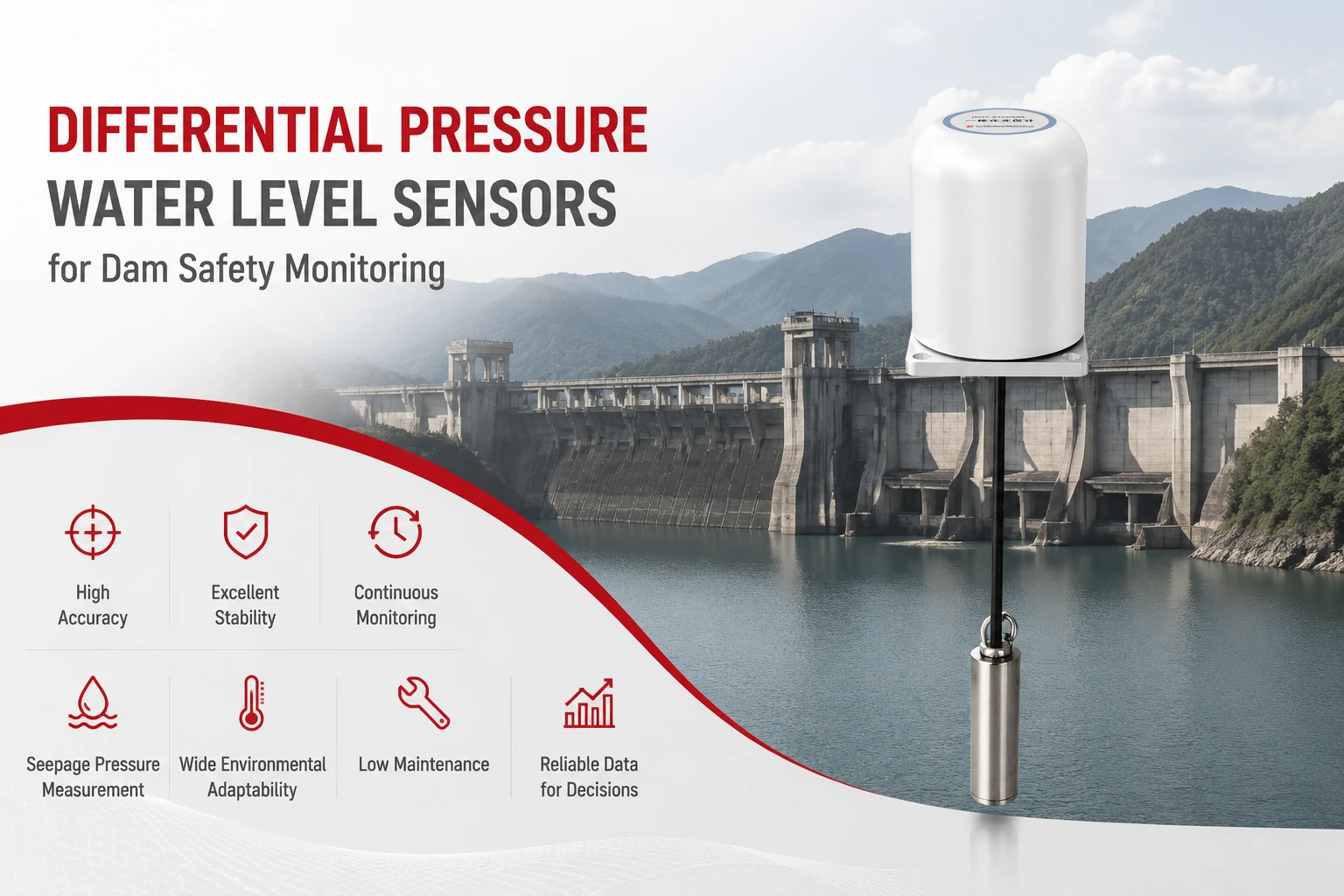
Key Takeaways The strongest fit is usually a confined, submerged, or s...
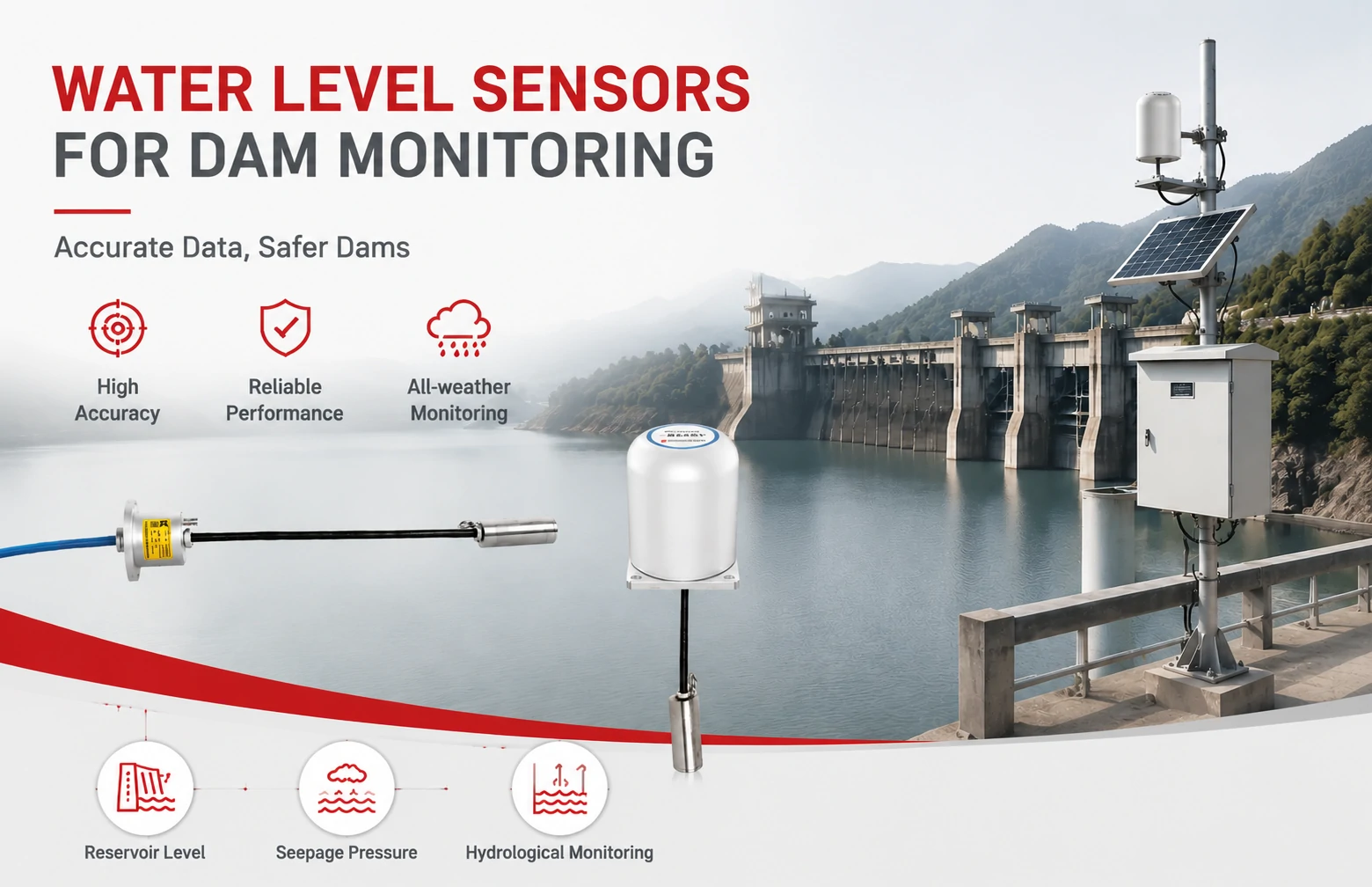
Kingmach Water Level Sensors for Dam Monitoring: A Buyer's Guide to Differential Pre...
Products
FAQ
Sensitivity is simply the voltage output per g of acceleration. Standard industrial accelerometers sit around 100 mV/g, which works for large machinery but not for ambient vibration. If your signal level is consistently below 1 mg, a high‑sensitivity model (1 V/g or more) gives your data acquisition a cleaner input and uses more of its dynamic range. That shows up in better signal‑to‑noise ratio and less need for post‑processing gain.
It depends on what you are measuring. For thick concrete structures, you need response down to 0.2 Hz or so. Turbines and gearboxes may want the flat band to reach 5 kHz. Kingmach can shift the resonant peak of the sensing element by changing the mass and stiffness. We ask for your target low‑ and high‑frequency corners during inquiry so the sensor arrives calibrated within those limits. A sample spectrum of your expected vibration also helps us pick the right damping.
Yes, for most terrestrial environments. Our default seal is IP67 with dual‑stage O‑ring glands, and the stainless‑steel housing takes direct sun, rain, and dust without degrading. For submerged or splash‑zone use you can upgrade to IP68 with a welded‑on integral cable. We also conformal‑coat the internal PCB. Marine‑grade connectors with gold‑plated pins are available if corrosion is a concern.
IEPE (constant current powered) is the most common—it lets you run coax or a simple two‑wire pair over long distances using the same lines for power and signal. Charge‑mode accelerometers need a separate charge amplifier, but they handle higher temperatures and have a flatter phase response. For monitoring networks, we also offer 4‑20 mA and Modbus RTU outputs. The choice usually boils down to your existing DAQ and how much you want to avoid adding conditioners in the field.
Share your product type, target capacity, and application requirements. Our team can review the details and recommend a practical next step.
If you are interested in our products or want to become our partner.
Please leave your contact information, our team will contact you as soon as possible.
Mail: [email protected]
Contact Us: +8613808434127
Address: No. 188 Tongzipo West Rd, Changsha, Hunan, China