
 EN
EN
 ar
ar bg
bg hr
hr cs
cs da
da nl
nl fi
fi fr
fr de
de el
el hi
hi it
it ko
ko no
no pl
pl pt
pt ro
ro ru
ru es
es sv
sv tl
tl iw
iw id
id lv
lv lt
lt sr
sr sk
sk sl
sl uk
uk vi
vi et
et hu
hu th
th tr
tr fa
fa ms
ms hy
hy ka
ka ur
ur bn
bn mn
mn ta
ta kk
kk uz
uz ku
ku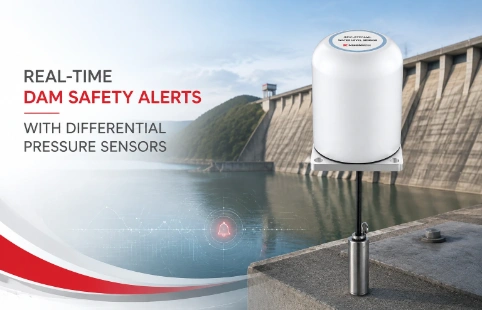
Real-Time Dam Safety Alerts with Differential Pressure Water Level Sensors
Key Takeaways An alert chain needs more than a sensor: define field in...

Flexible Strain Sensor for Geotechnical Monitoring
When a tunnel lining starts to deform, rigid sensors often miss the subtle early signs. Flexible strain sensors bend with the material, catching strain changes that would otherwise go unnoticed. At Kingmach, we build these sensors to handle uneven surfaces and dynamic loads—exactly the conditions found in geotechnical projects. This article looks at what sets a well-designed flexible strain sensor apart, from material selection to output stability. Engineers working on slope monitoring, pipeline integrity, or structural health monitoring need data they can trust over months and years. Our sensors use proven resistive sensing elements laminated in thin, durable substrates. That construction means they conform to curved surfaces without compromising accuracy. Below, we break down key characteristics, common questions, and how these sensors fit into larger monitoring networks.
Technical Detail
A flexible strain sensor from Kingmach typically uses a resistive foil grid encapsulated in polyimide or silicone, giving it a tight bending radius and repeatable output. Thicknesses under 0.5 mm are common in the industry, allowing installation on complex geometries without stiffening the host structure. We pay close attention to the temperature compensation circuit, because thermal drift can easily distort long-term readings in the field. Many of our sensors go through thermal cycling during production to settle the materials before calibration. For field use, moisture ingress is the number one enemy. That's why we offer multiple sealing options—from simple silicone overcoats for indoor applications to fully welded, waterproof housings for buried or submerged installations. Cable strain relief is another detail that often gets overlooked. A flexible sensor is only as reliable as its lead wire attachment. Our connections are reinforced with strain relief boots, and we can provide armored cable assemblies on request. These sensors have been used in monitoring tunnel convergence, bridge bearings, and soil-structure interfaces. Because they can be manufactured in custom shapes and lengths, you're not locked into a catalog size. If you need a 2-meter-long sensor strip for a distributed strain profile, we can make it. The data output is straightforward—just connect to any strain readout box that supports quarter-, half-, or full-bridge configurations. Kingmach also supplies dataloggers if you need a turnkey solution. The goal is to give you a sensor that disappears into the structure, quietly delivering data without false alarms or drift issues.
News
Key Takeaways An alert chain needs more than a sensor: define field in...
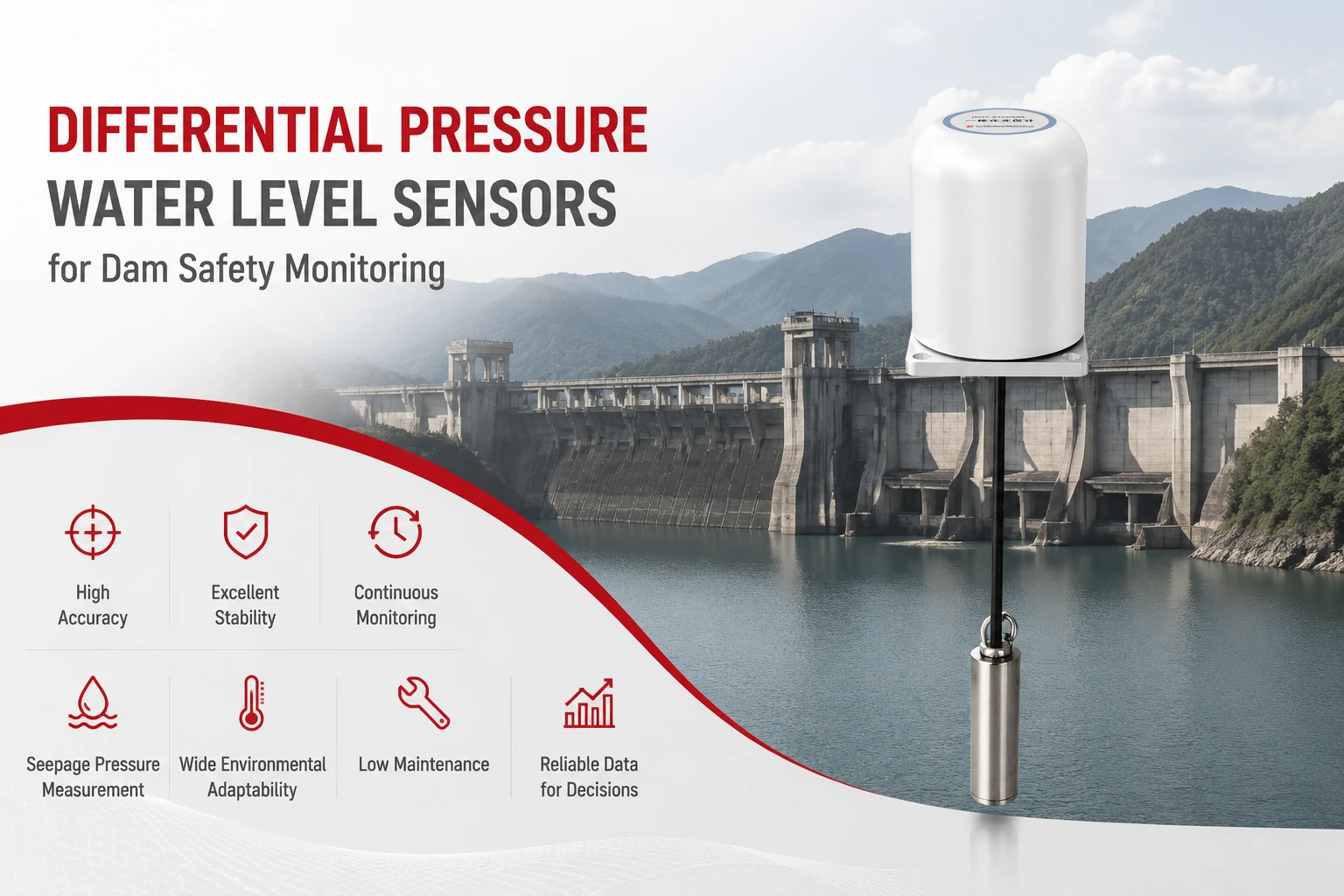
Key Takeaways The strongest fit is usually a confined, submerged, or s...
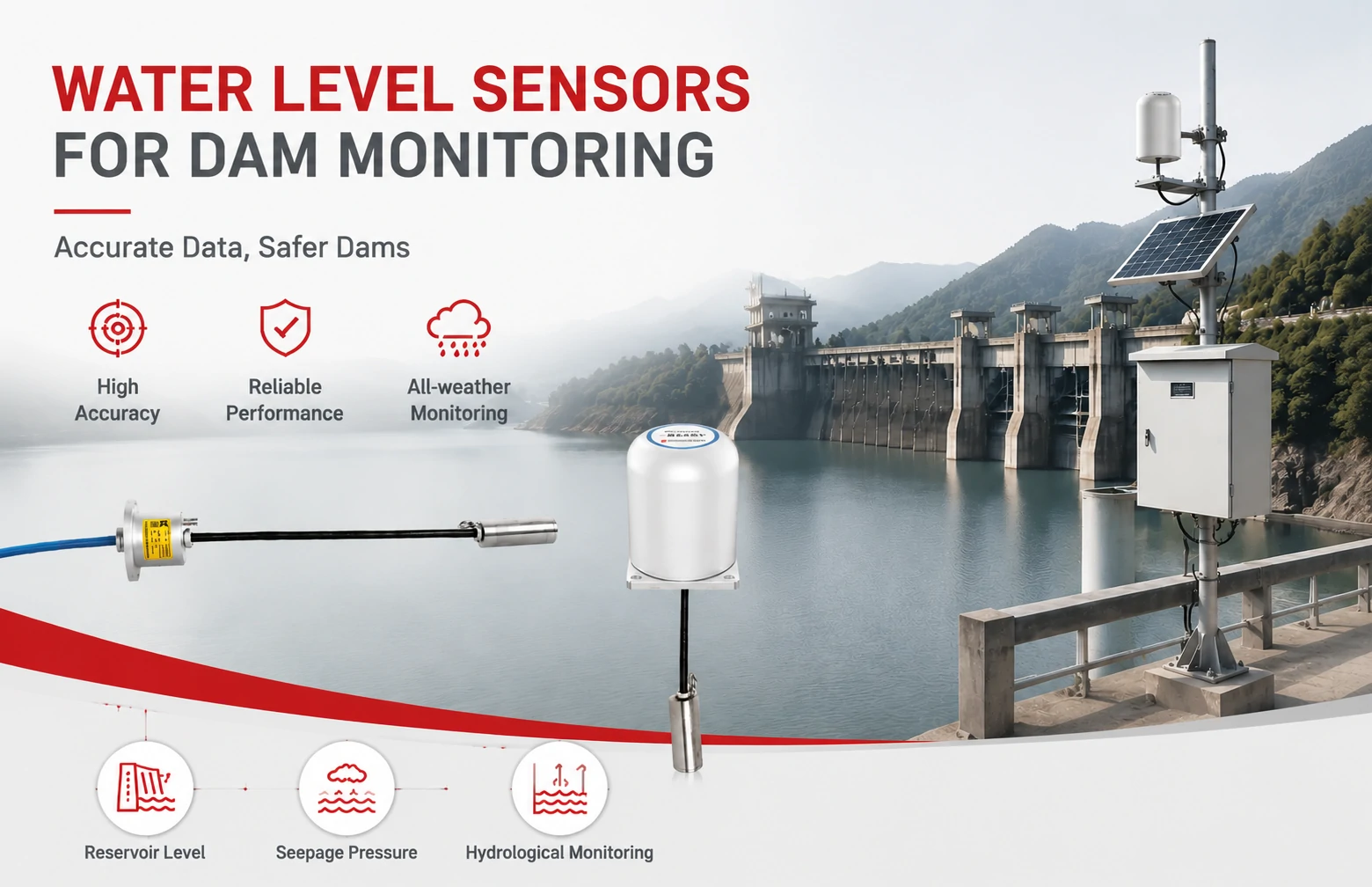
Kingmach Water Level Sensors for Dam Monitoring: A Buyer's Guide to Differential Pre...
Products
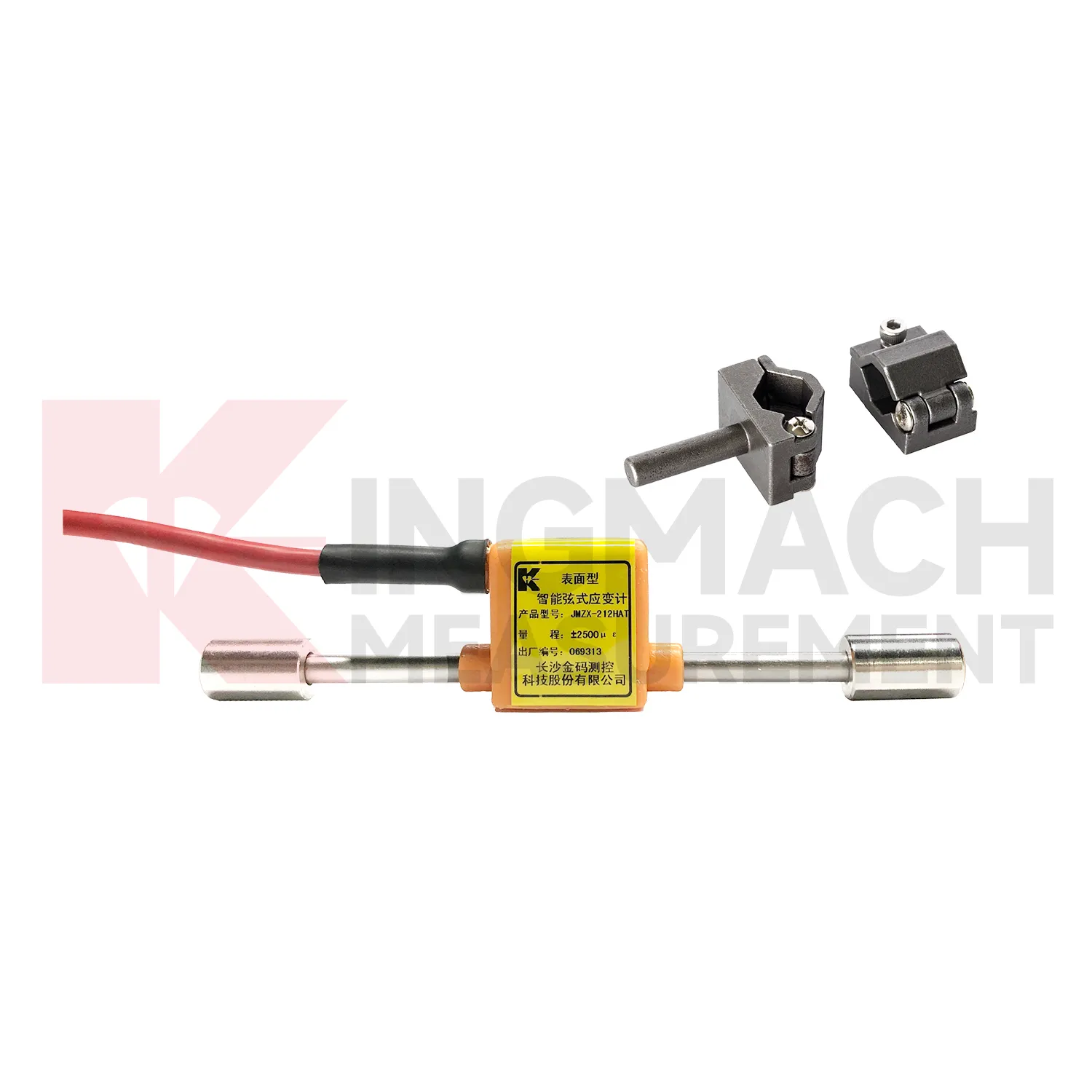
Smart vibrating wire strain gauge (surface model) JMZX-212HAT/HB
View Details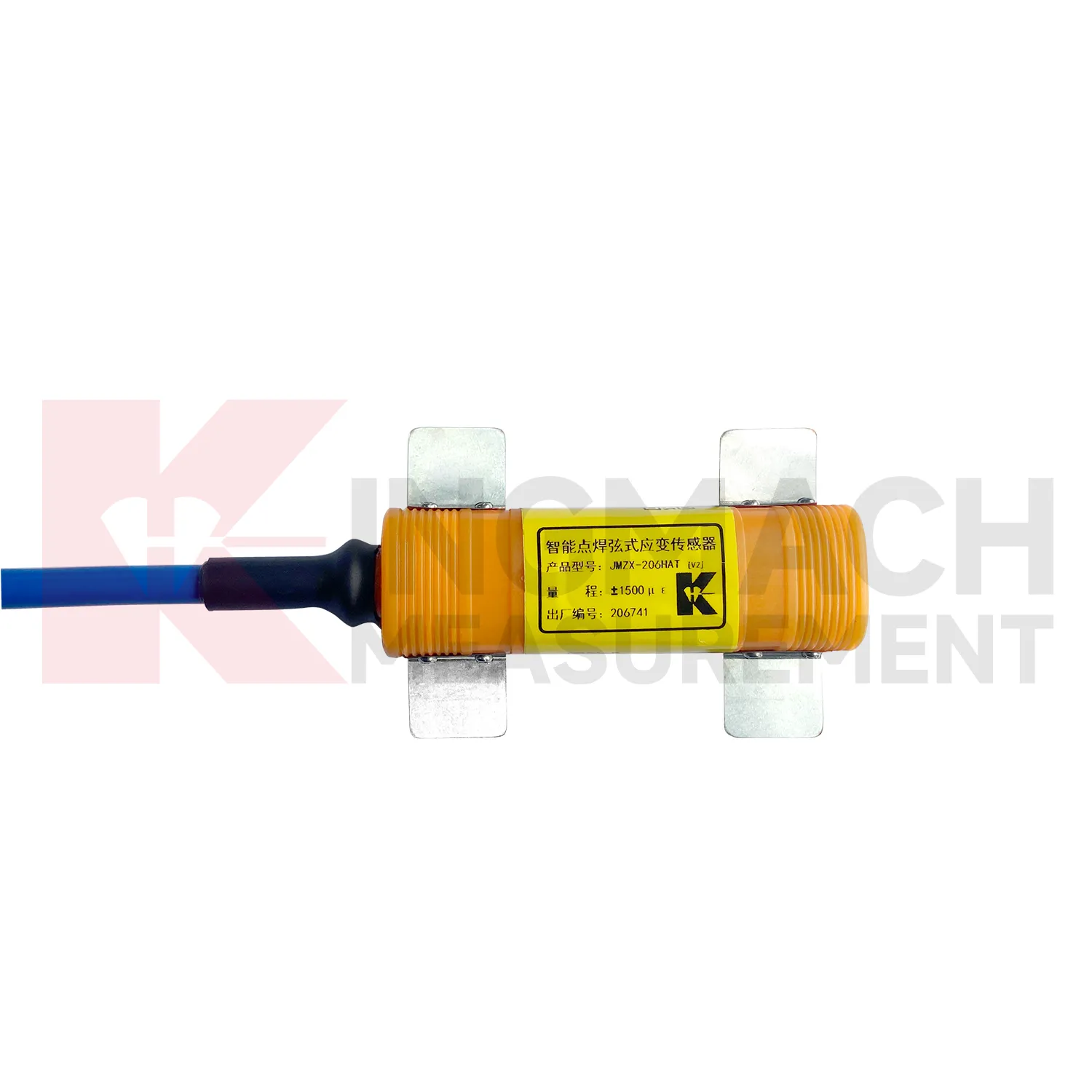
Smart vibrating wire strain gauge (surface welded model) JMZX-206HAT
View Details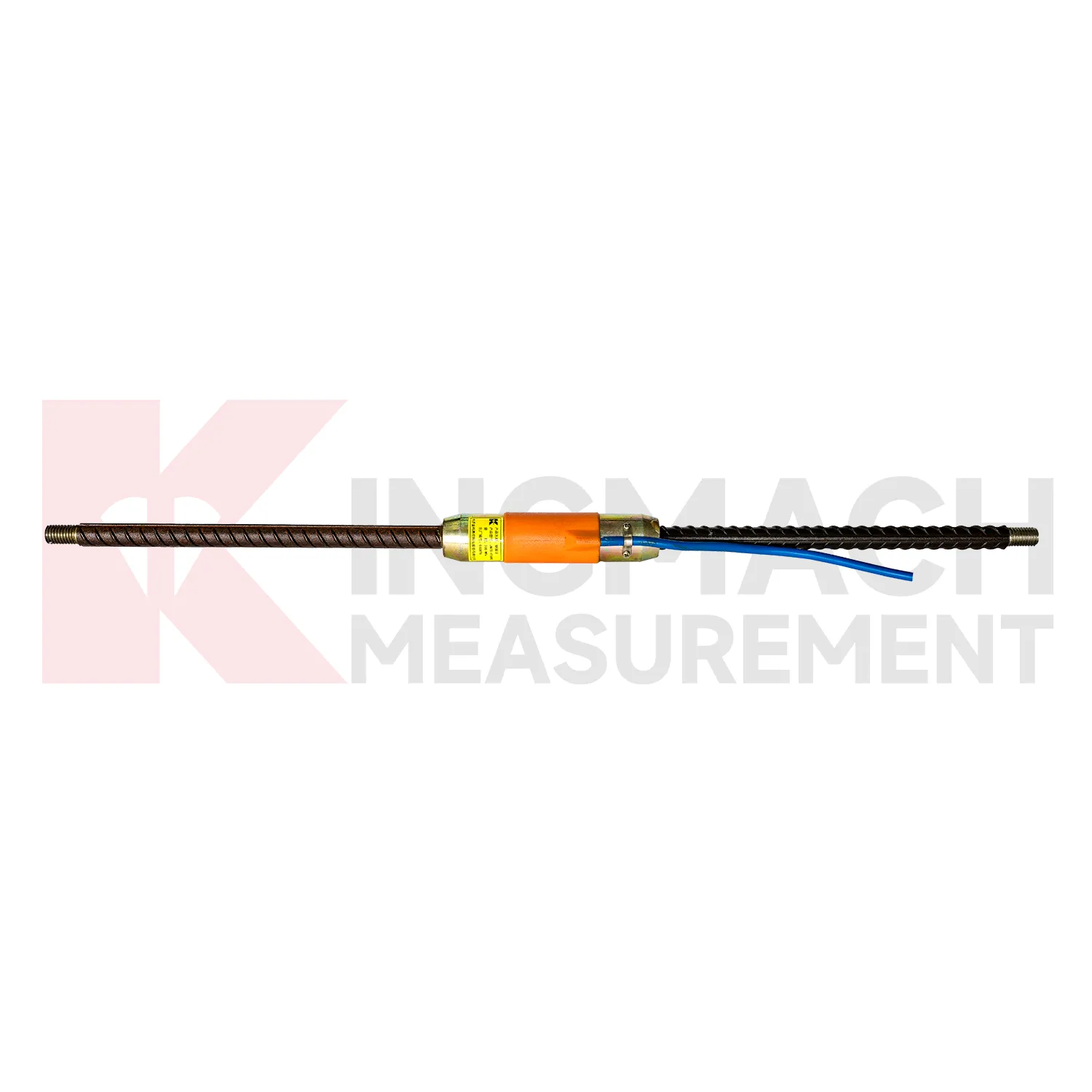
Rebar Strainmeters ( VW & Smart Type) JMZX-4XXHAT/HB
View DetailsFAQ
Flexible sensors can be bonded to curved surfaces without the need for complex surface preparations. Traditional foil gauges require flat, smooth areas, which often limits where they can be placed on real-world structures.
Yes, with proper encapsulation, flexible strain sensors can be embedded in concrete for internal strain monitoring. Kingmach offers options with ruggedized leads and protective coatings for such environments.
Lifespan depends on environmental factors, but with proper protection from moisture and mechanical damage, these sensors can operate reliably for several years. Periodic calibration checks are recommended for long-term projects.
Kingmach provides compatible readout units that support wireless modules, enabling integration into automated monitoring systems. The sensor itself is passive, but signal conditioning can be tailored to your data logger.
Polyimide is suited for moderate temperatures and dry conditions, while silicone-backed sensors offer better compliance and water resistance. Our technical team can help match the substrate to your specific project requirements.
Share your product type, target capacity, and application requirements. Our team can review the details and recommend a practical next step.
If you are interested in our products or want to become our partner.
Please leave your contact information, our team will contact you as soon as possible.
Mail: [email protected]
Contact Us: +8613808434127
Address: No. 188 Tongzipo West Rd, Changsha, Hunan, China