
 EN
EN
 ar
ar bg
bg hr
hr cs
cs da
da nl
nl fi
fi fr
fr de
de el
el hi
hi it
it ko
ko no
no pl
pl pt
pt ro
ro ru
ru es
es sv
sv tl
tl iw
iw id
id lv
lv lt
lt sr
sr sk
sk sl
sl uk
uk vi
vi et
et hu
hu th
th tr
tr fa
fa ms
ms hy
hy ka
ka ur
ur bn
bn mn
mn ta
ta kk
kk uz
uz ku
ku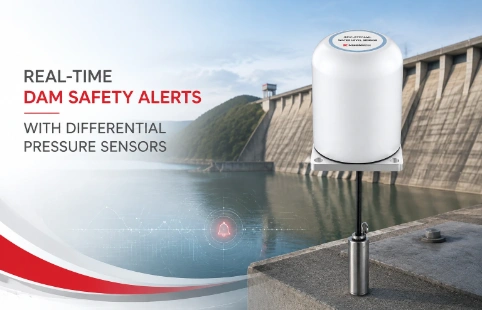
Real-Time Dam Safety Alerts with Differential Pressure Water Level Sensors
Key Takeaways An alert chain needs more than a sensor: define field in...

What Makes Donut Load Cells Ideal for Structural Monitoring
When a load cell has to share space with an anchor bolt or a tensioned cable, a standard canister design just gets in the way. The annular “donut” shape sidesteps that problem by letting the bolt pass right through the sensor’s center. In geotechnical and structural health monitoring, that simple difference means you can measure tieback loads, rock bolt tension, or cable stay forces without reengineering the connection. Kingmach has been supplying these donut load cells to engineering firms and monitoring contractors for years, offering a range of capacities and hole diameters that can be matched to common anchor sizes—or customized when off-the-shelf won’t do. Because they’re often buried or exposed to weather, our annular load cells are built with sealed all-welded bodies and corrosion-resistant materials. Field installation doesn’t require special tooling beyond what’s already on site, and we provide wiring diagrams and calibration sheets to get your data flowing quickly. Whether you’re monitoring a retaining wall, a tunnel lining, or a bridge cable, a donut load cell that fits the hardware without compromise saves both time and guesswork.
Technical Detail
A donut load cell’s central hole is the feature that drives its selection for most structural health applications. Instead of attaching a sensor next to a bolt or cable, the annular transducer sits under the nut or bearing plate and measures the force directly along the load path. Kingmach donut load cells start from a machined alloy steel or stainless steel element, depending on the corrosion environment, and are typically instrumented with multiple strain gauges arranged to cancel bending moments—so you get a clean axial reading even if the bearing surfaces aren’t perfectly parallel. Capacities can be built to suit everything from small ground anchors up to multi-strand stay cables, and the inner diameter can be sized to clear standard coarse-thread bolts or custom tendon profiles. Because many monitoring sites are remote, our standard units are temperature-compensated from about -10 °C to 50 °C, and we can adjust the compensation range for extreme climates. Signal output is normally millivolt per volt, matching most data loggers used in geotechnical work, but we can integrate amplifiers for 4-20 mA or voltage outputs when needed. Each load cell ships with a calibration certificate traceable to a recognized standard, and we maintain records by serial number so that replacement or calibration history is easy to retrieve. Kingmach’s global distribution network means you can get technical support and spares without long lead times, whether the project is in Southeast Asia, Europe, or the Americas. For one-off installations, our application engineers can help work through the mounting geometry and recommend a wiring scheme that minimizes noise. For larger programs—say, a tunneling contractor with dozens of rock bolts to instrument—we can batch-produce with matched sensitivity to simplify data analysis. The donut form factor has been a workhorse in geotechnical monitoring for decades because it solves a physical interference problem cleanly. With the right material selection and sealing, these load cells deliver reliable readings for years underground or in marine environments, and we’ve seen units that come back for recalibration after five years still performing within specification.
News
Key Takeaways An alert chain needs more than a sensor: define field in...
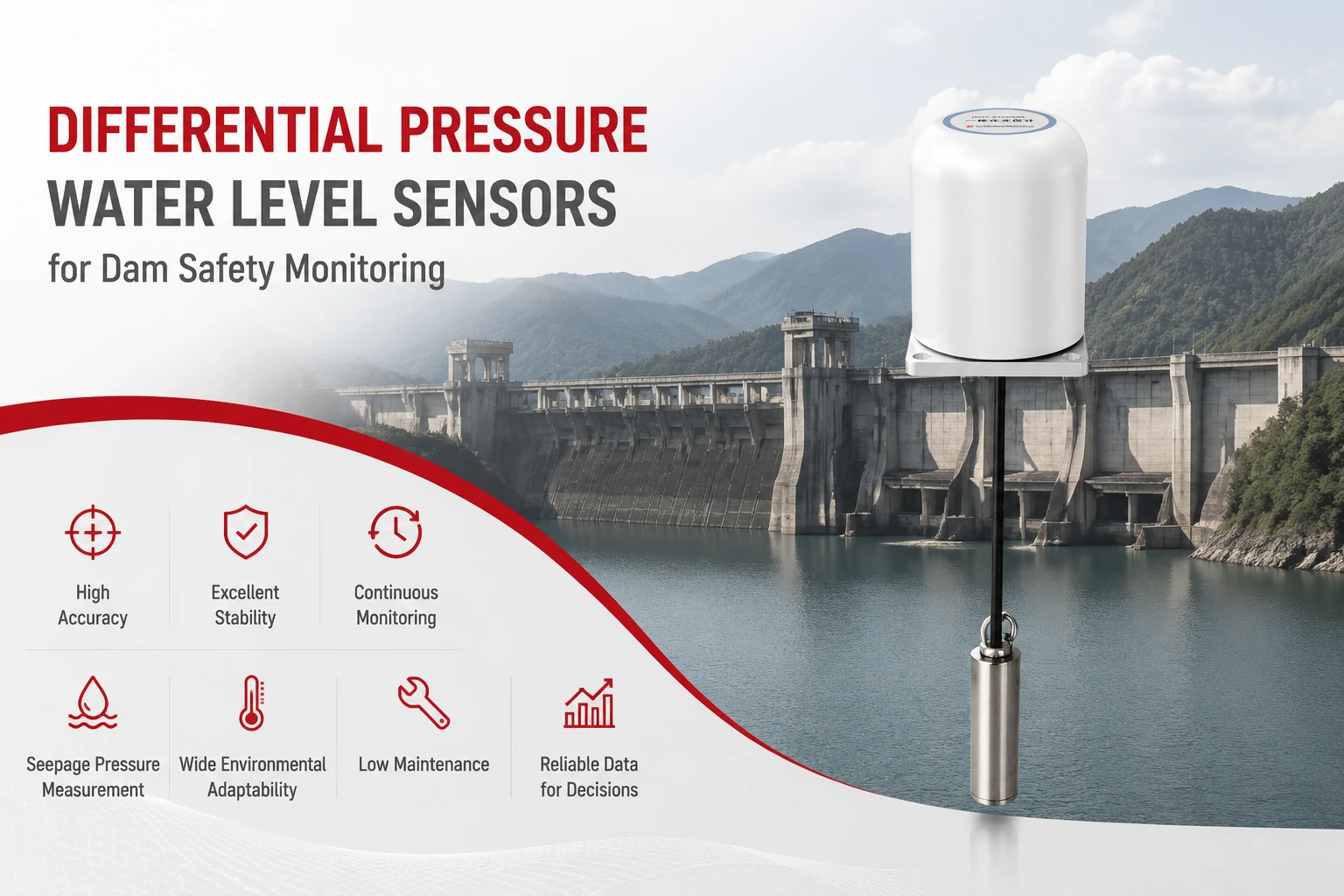
Key Takeaways The strongest fit is usually a confined, submerged, or s...
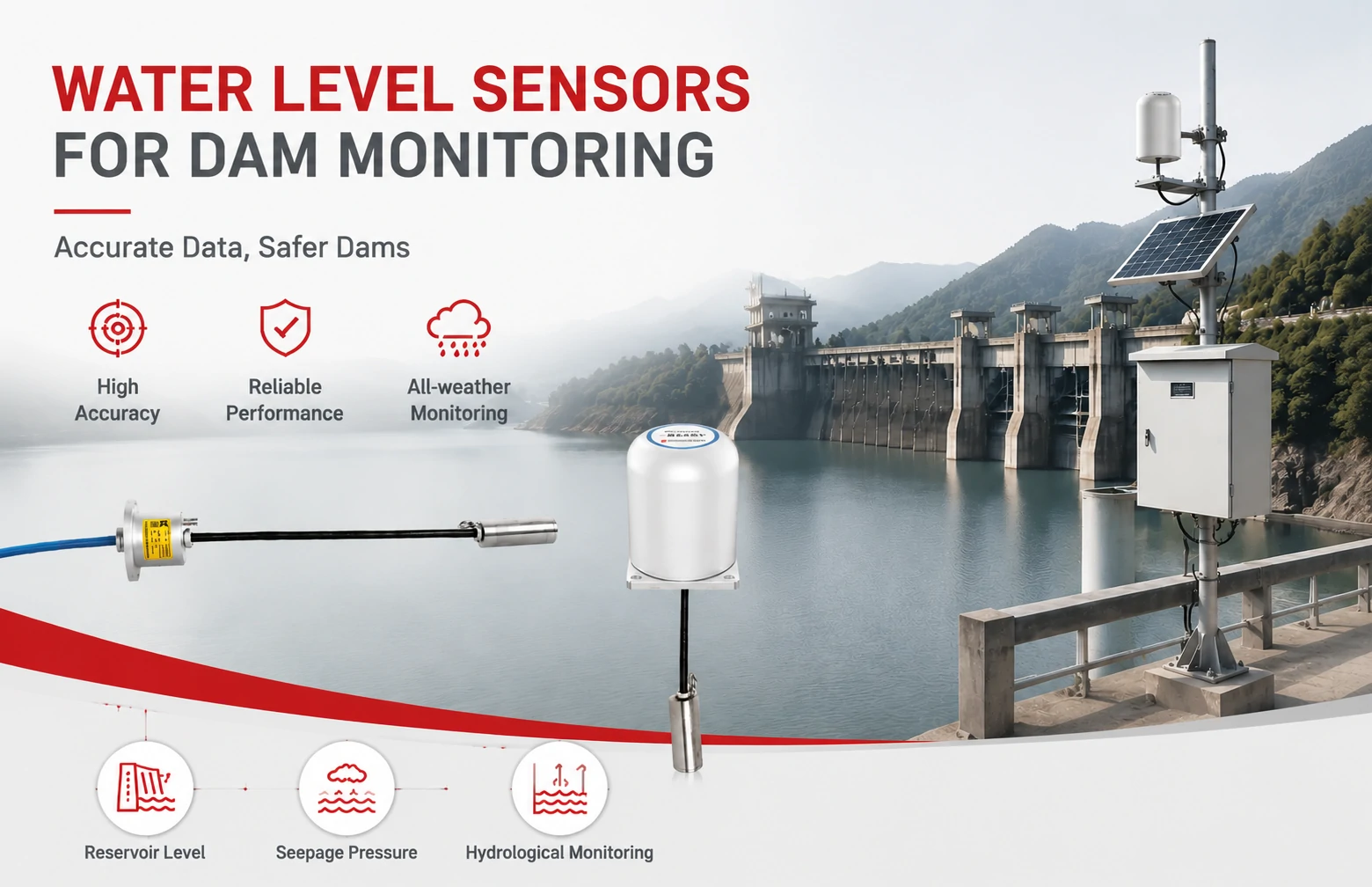
Kingmach Water Level Sensors for Dam Monitoring: A Buyer's Guide to Differential Pre...
Products

Smart Formwork Axial Force Meter(VW)JMZX-39XXHAT
View Details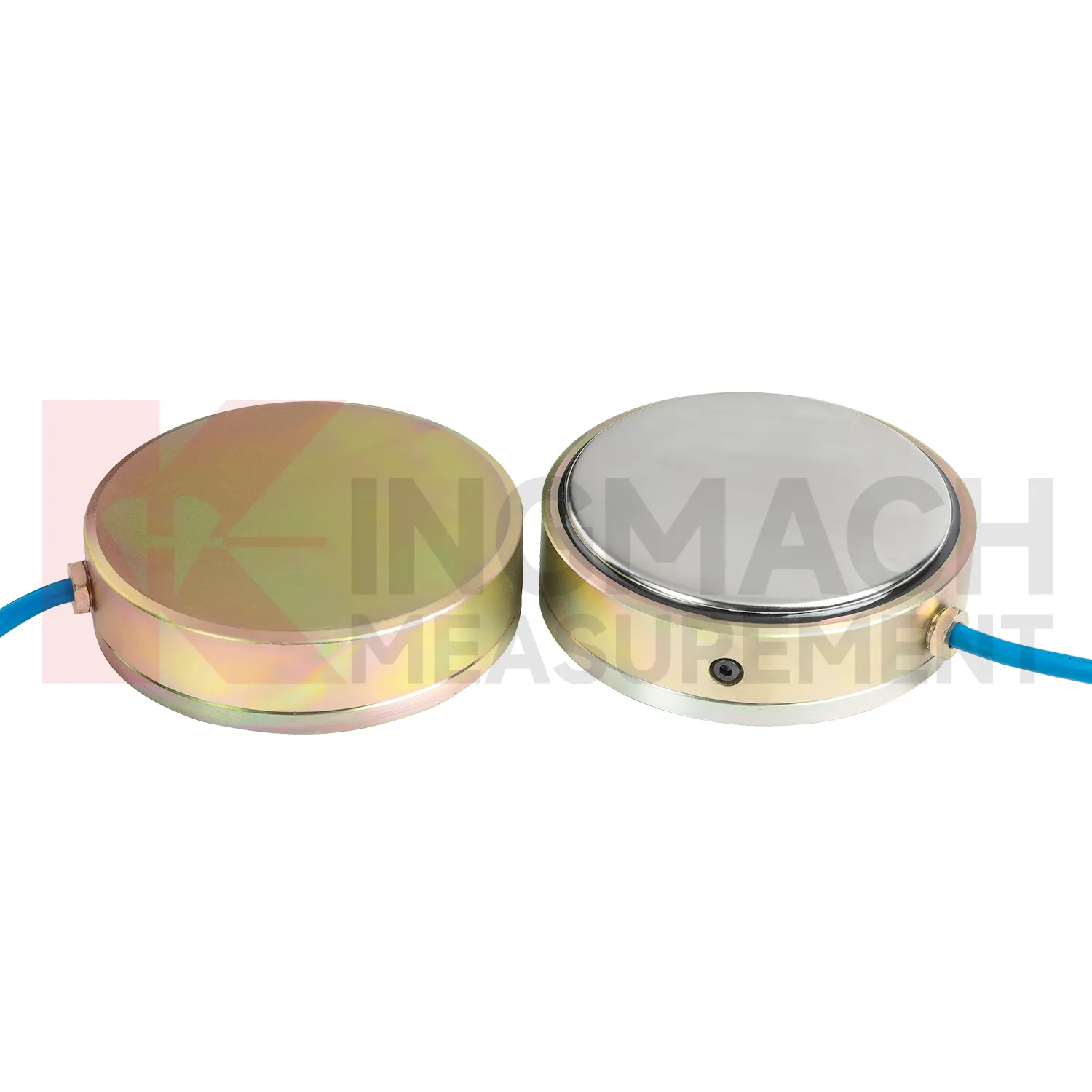
Large Earth Pressure Cell ( VW & Smart Type) JMZX-51XXAT/ ATM
View Details
Smart Vibrating Wire PiezometerSmart Piezometers (VW) JMZX-55XXHAT
View DetailsFAQ
Most often it’s installed under the anchor head on a rock bolt, tieback, or ground anchor to measure tension over time. The center hole lets the bolt pass through, so the load cell can sit directly in the load path.
Yes. Kingmach regularly machines inner diameters to match specific bolt sizes or tendon diameters. If your project uses an unusual thread or a bundled-strand cable, we can dimension the center hole to ensure proper clearance without sacrificing the sensor’s rated capacity.
Standard models output a millivolt-per-volt signal, so you connect them to any logger that accepts a full bridge input. If your system requires 4-20 mA or a digital signal, we can supply inline amplifiers or build the conditioning into the load cell housing.
They are commonly deployed outdoors for years. The all-welded sealed construction and corrosion-resistant materials keep moisture out, and temperature compensation minimizes drift. For marine or highly corrosive environments, we recommend the stainless steel option with additional surface protection.
Once installed and properly sealed against water ingress, they require very little maintenance. Periodic checks of the cable connection and a quick zero reading on the logger are usually enough. If a load cell is ever overloaded or shows erratic readings, you can send it back for inspection and recalibration.
Share your product type, target capacity, and application requirements. Our team can review the details and recommend a practical next step.
If you are interested in our products or want to become our partner.
Please leave your contact information, our team will contact you as soon as possible.
Mail: [email protected]
Contact Us: +8613808434127
Address: No. 188 Tongzipo West Rd, Changsha, Hunan, China