
 EN
EN
 ar
ar bg
bg hr
hr cs
cs da
da nl
nl fi
fi fr
fr de
de el
el hi
hi it
it ko
ko no
no pl
pl pt
pt ro
ro ru
ru es
es sv
sv tl
tl iw
iw id
id lv
lv lt
lt sr
sr sk
sk sl
sl uk
uk vi
vi et
et hu
hu th
th tr
tr fa
fa ms
ms hy
hy ka
ka ur
ur bn
bn mn
mn ta
ta kk
kk uz
uz ku
ku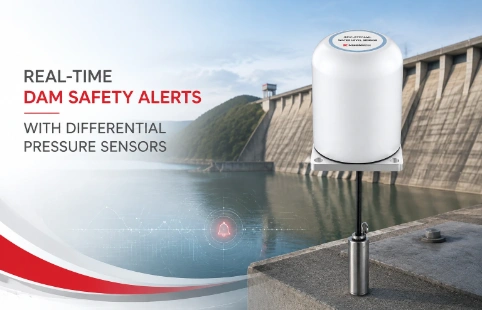
Real-Time Dam Safety Alerts with Differential Pressure Water Level Sensors
Key Takeaways An alert chain needs more than a sensor: define field in...

Large-size Earth Pressure Cell
In deep excavation and retaining wall monitoring, the pressure distribution across a soil-structure interface rarely follows a textbook pattern. Coarse backfill, gravel pockets, or fractured rock can create highly localized stress concentrations that a small pressure cell might miss entirely. A large-size earth pressure cell addresses this by averaging pressures over a broader area — typically 200 mm or more in diameter — delivering data that better reflects the overall load on a structural element. Kingmach supplies these cells with full-bridge strain gauge configurations and rugged stainless steel housings. Each unit comes with a factory calibration sheet, and the signal is compatible with most geotechnical data loggers. For projects where standard cells fall short on surface coverage, the large-size option often proves a pragmatic upgrade rather than a specialty choice.
Technical Detail
A large-size earth pressure cell from Kingmach uses a wide, flat sensing face to capture total stress in soil, rockfill, or at concrete interfaces. The increased diameter — frequently 230 mm, 300 mm, or custom dimensions — reduces the influence of local inclusions and gives a more uniform response in coarse-grained materials. The cell body is machined from stainless steel and seals the strain-sensing element against moisture; many designs also incorporate an integrated thermistor for temperature compensation. The sensing element itself is a full Wheatstone bridge, which minimizes cable-related errors and ensures stable readings over long cable runs. Installation can be direct-buried, push-in, or embedded in concrete, depending on the backfill and project stage. Kingmach routinely ships these cells pre-crimped with heavy-duty armoured cable and a calibration certificate that correlates applied pressure to mV/V output. For integrations with automatic monitoring systems, the cell works with dataloggers from Campbell Scientific, Geokon, and other common brands, with no additional signal conditioning needed. If off-the-shelf sizes don’t match the expected particle size distribution, Kingmach’s engineering team can adjust the diaphragm thickness, diameter, and pressure range to fit the job. After-sales support covers installation advice, troubleshooting, and re-calibration services — a practical backup when site conditions change or equipment gets reassigned between projects.
News
Key Takeaways An alert chain needs more than a sensor: define field in...
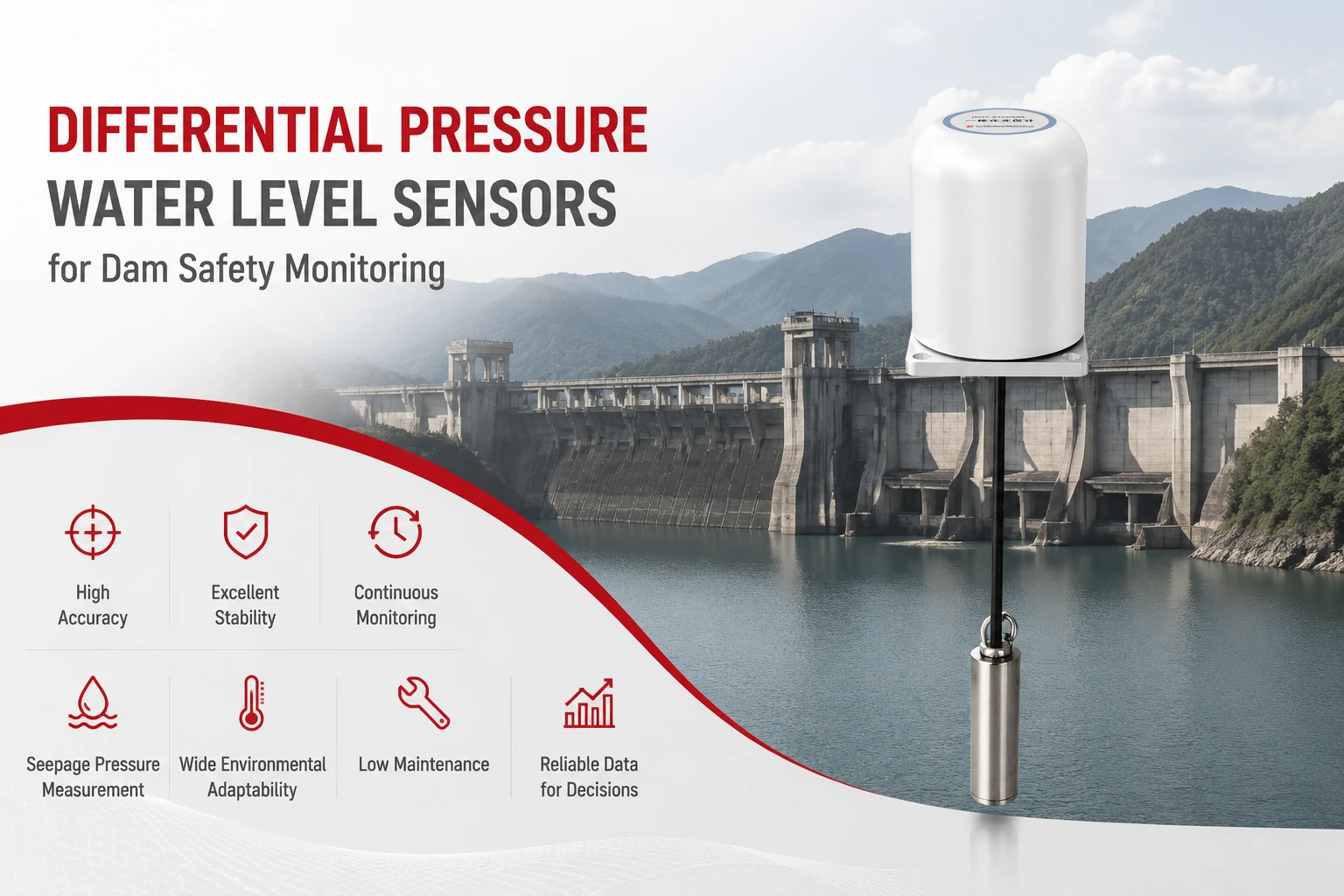
Key Takeaways The strongest fit is usually a confined, submerged, or s...
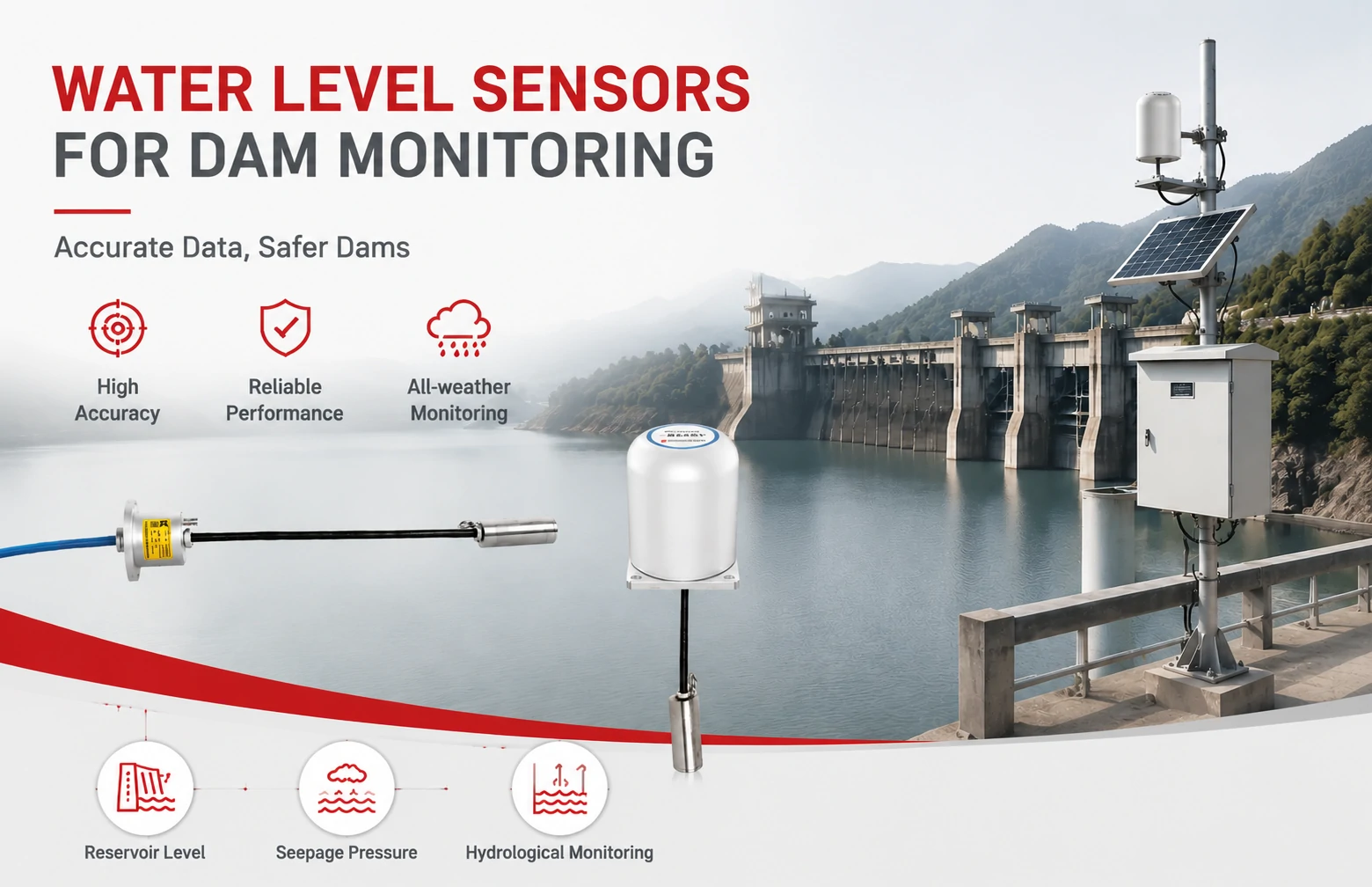
Kingmach Water Level Sensors for Dam Monitoring: A Buyer's Guide to Differential Pre...
Products
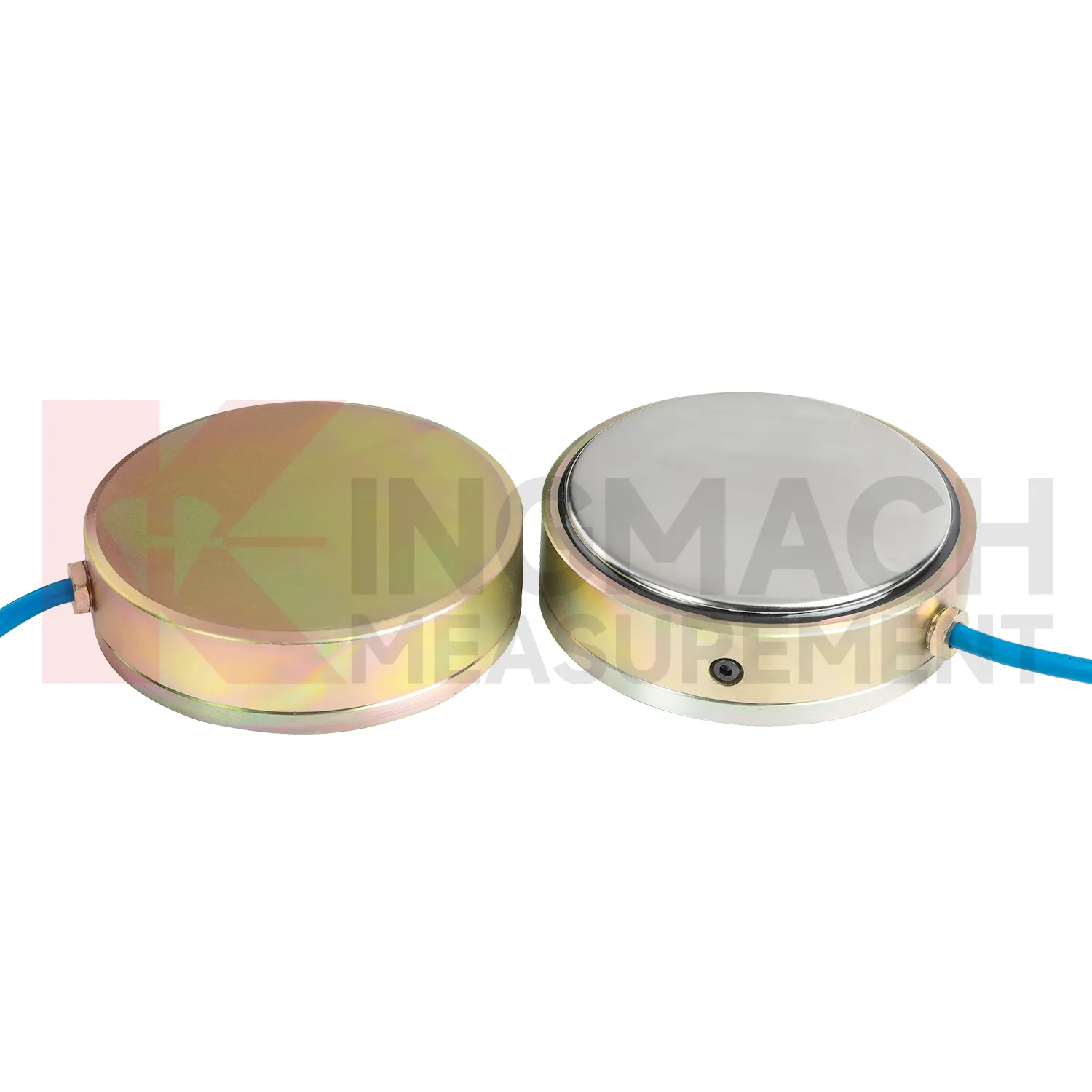
Large Earth Pressure Cell ( VW & Smart Type) JMZX-51XXAT/ ATM
View Details
Axial Force Load Meter ( VW & Smart Type)JMZX-38XXHAT
View Details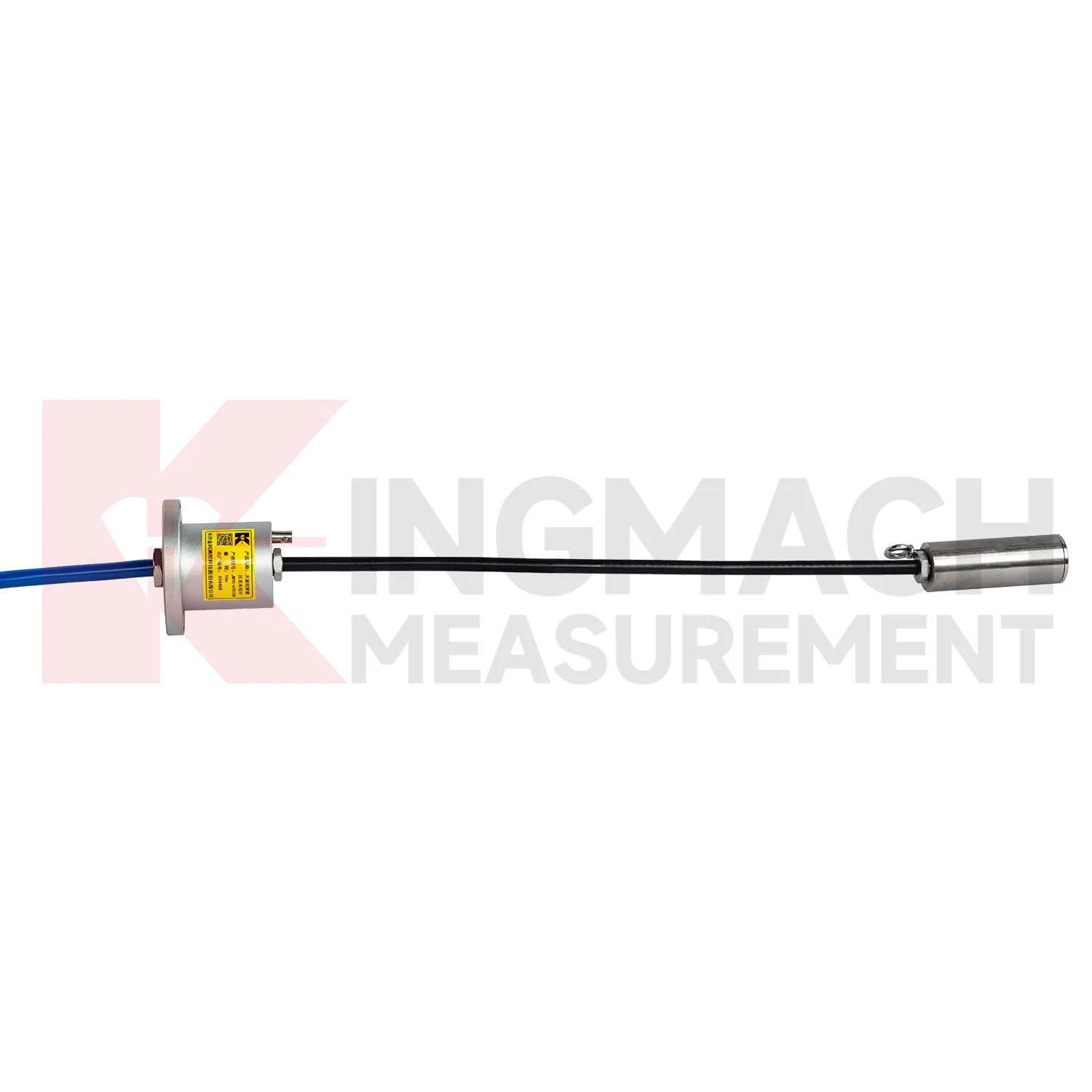
Wide-Range Smart Differential Pressure Water Level Meter JMYC-67XXAD
View DetailsFAQ
The main difference is the sensing area. A larger diaphragm averages stress over a wider zone, which helps when you’re dealing with gravelly soils, rockfill, or concreted interfaces where pressure can vary a lot from one point to the next. A standard cell might record a spike that isn’t really representative of the overall load on the structure.
Yes, but there’s a practical trade-off. In soft clay, a large cell still works fine and may actually be easier to bed in because it has more surface area to push against the soil. In gravel, the cell’s size helps bridge over the voids so you don’t get misleading readings from a single stone pressing on the diaphragm. You’ll want to match the cell diameter to the maximum particle size — a rule of thumb is at least 10 times the d85 of the material.
It depends on the application. For direct burial, you compact a thin layer of sand around the cell to ensure uniform contact, then backfill carefully. In a retaining wall or pile, the cell is often strapped to the rebar cage before concrete placement, with the sensitive face against the formwork. For concrete embedment, you might bolt the cell to a bracket that holds it flush with the form. The key is avoiding point loading — the cell needs full-face contact.
The cell puts out a millivolt-per-volt signal, so any datalogger that can read full-bridge strain gauge circuits will work. You’ll need a readout unit or logger that provides excitation (typically 2–5 V) and can measure the mV output. Kingmach cells are compatible with most common geotechnical dataloggers; we can provide wiring schematics for the specific model you’re using.
Kingmach ships each cell with a calibration certificate that shows the pressure-to-output relationship. For most projects, this factory calibration is sufficient. However, if the cell gets physically damaged during transport or installation, or if you suspect it’s been overloaded, it’s worth checking it with a known pressure before relying on the data. We can also re-calibrate cells if they’ve been in service for a long time.
Share your product type, target capacity, and application requirements. Our team can review the details and recommend a practical next step.
If you are interested in our products or want to become our partner.
Please leave your contact information, our team will contact you as soon as possible.
Mail: [email protected]
Contact Us: +8613808434127
Address: No. 188 Tongzipo West Rd, Changsha, Hunan, China