
 EN
EN
 ar
ar bg
bg hr
hr cs
cs da
da nl
nl fi
fi fr
fr de
de el
el hi
hi it
it ko
ko no
no pl
pl pt
pt ro
ro ru
ru es
es sv
sv tl
tl iw
iw id
id lv
lv lt
lt sr
sr sk
sk sl
sl uk
uk vi
vi et
et hu
hu th
th tr
tr fa
fa ms
ms hy
hy ka
ka ur
ur bn
bn mn
mn ta
ta kk
kk uz
uz ku
ku
wireless thermometer data logger
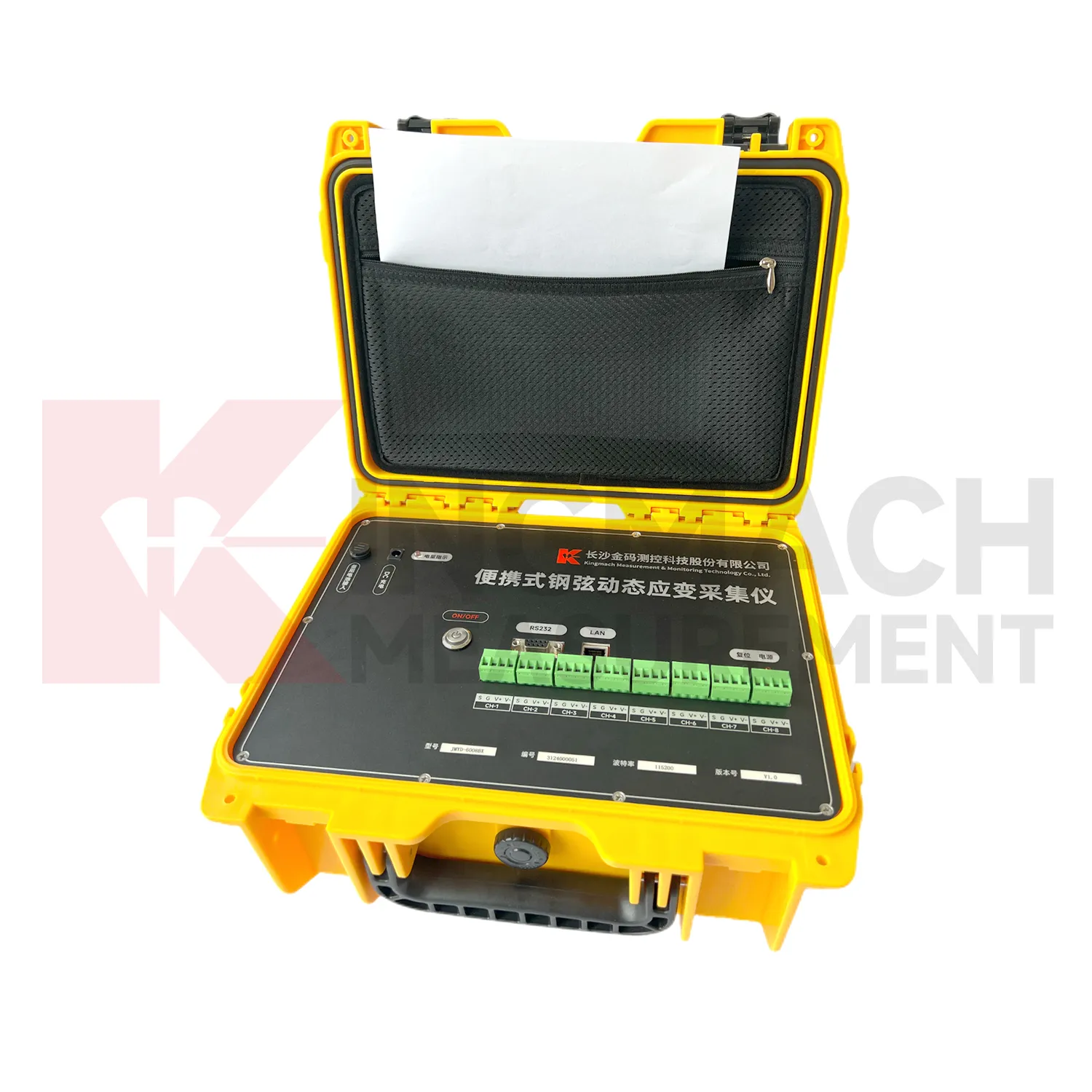
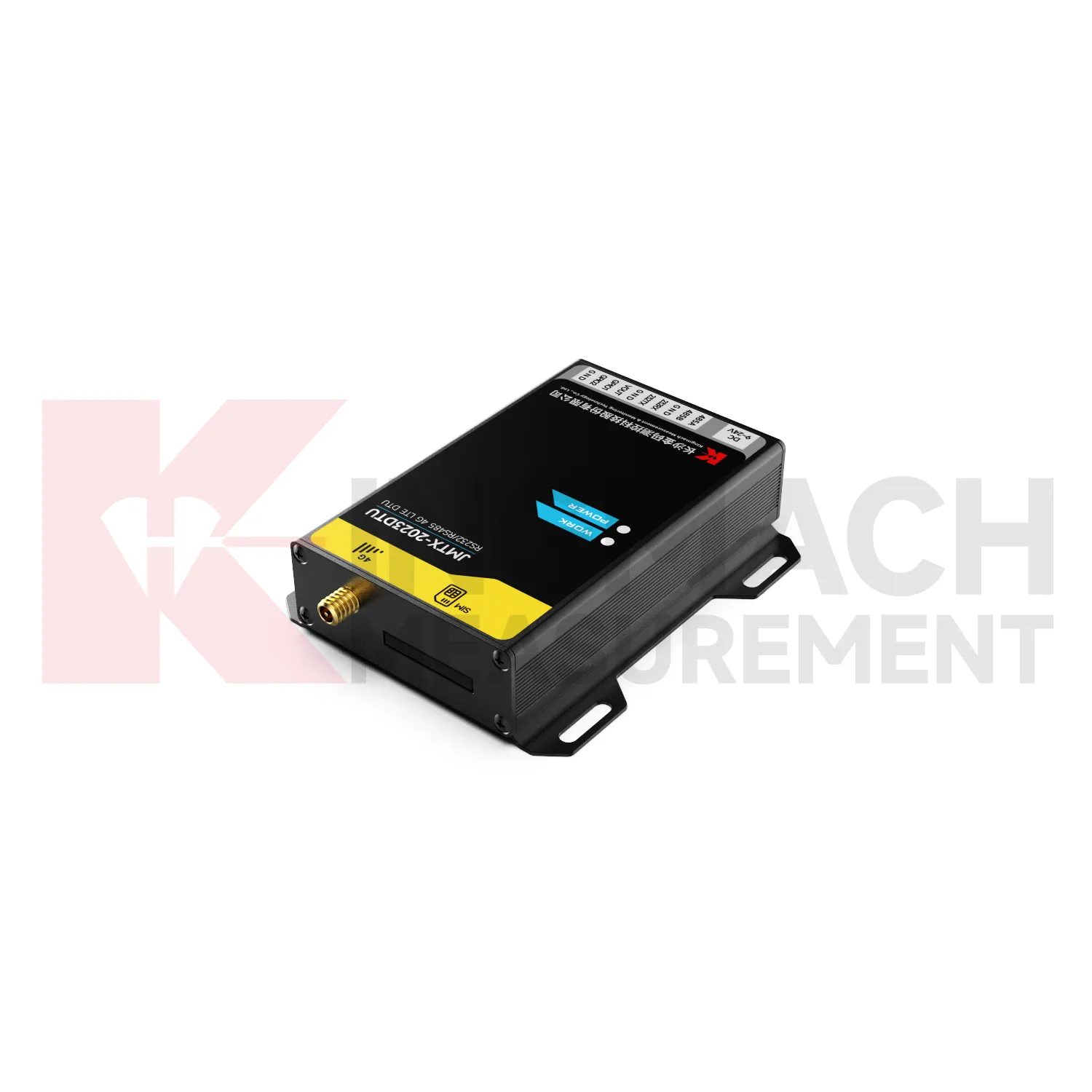
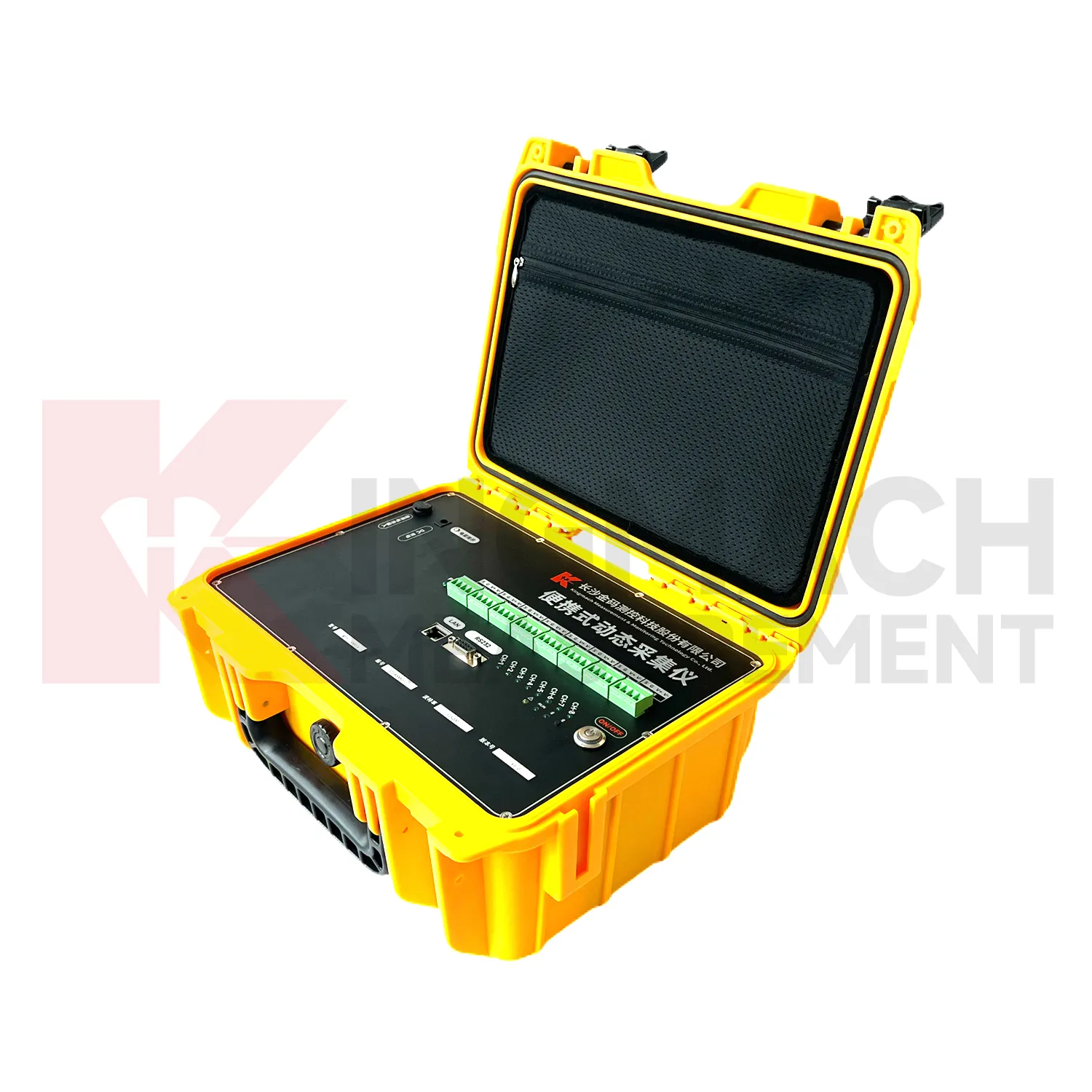
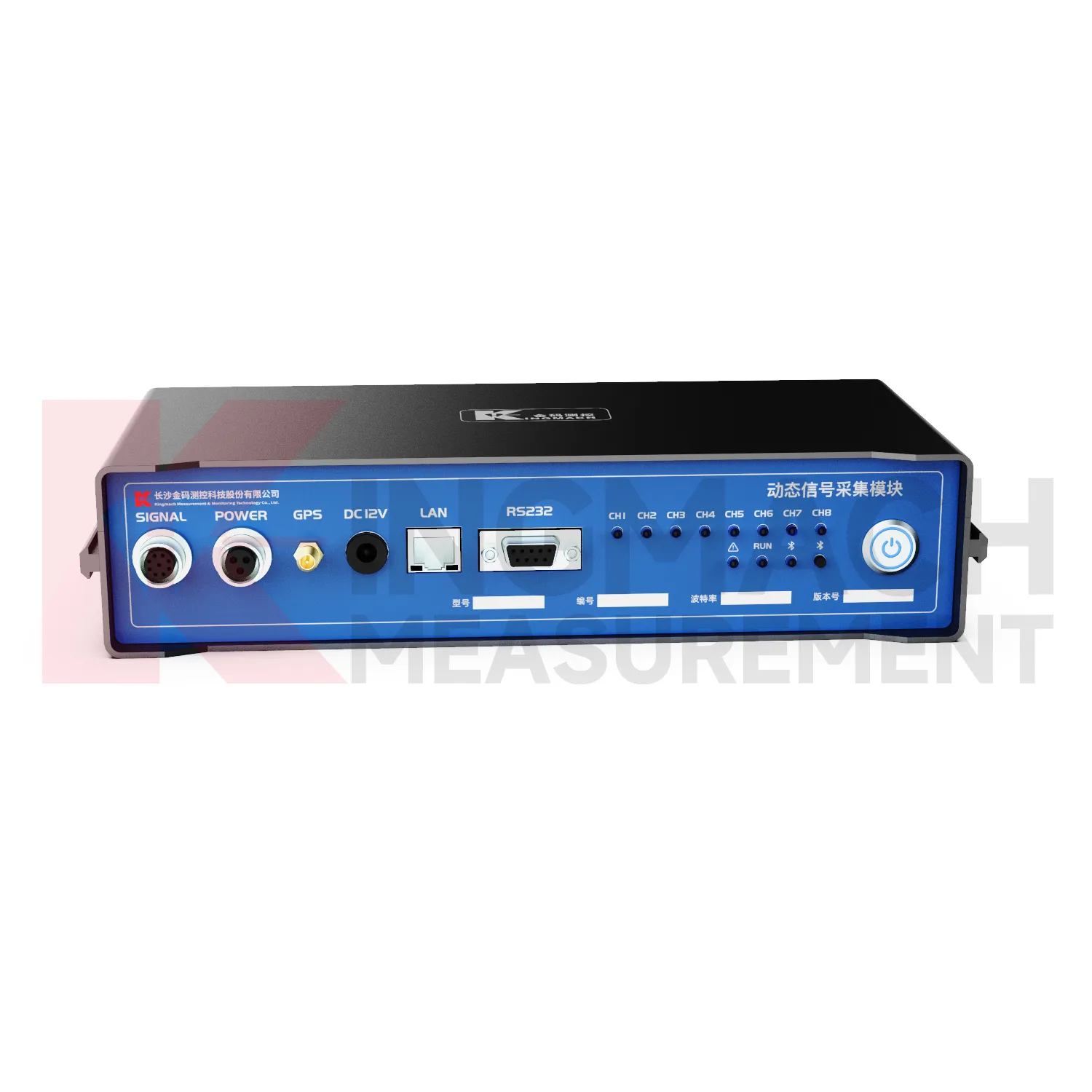
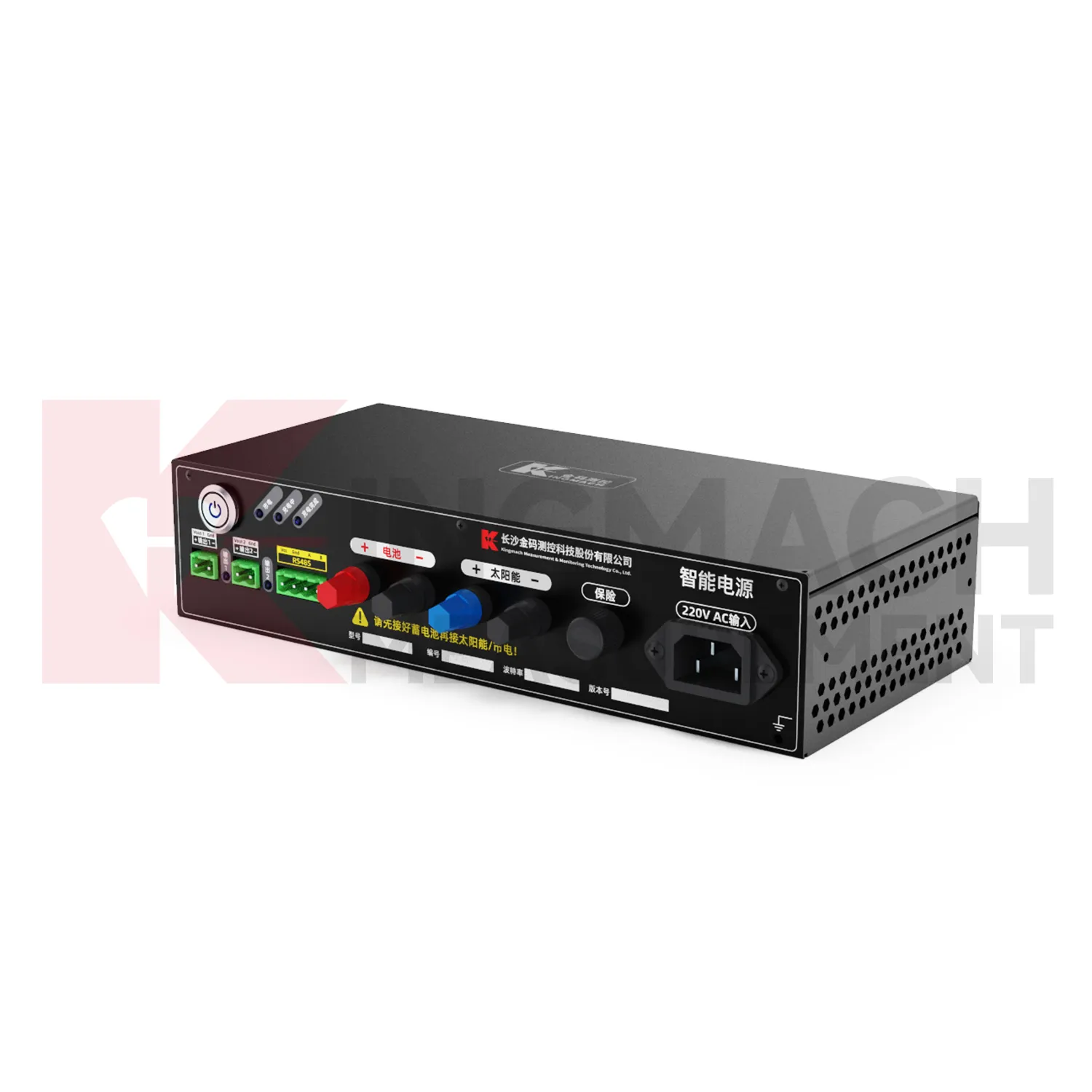
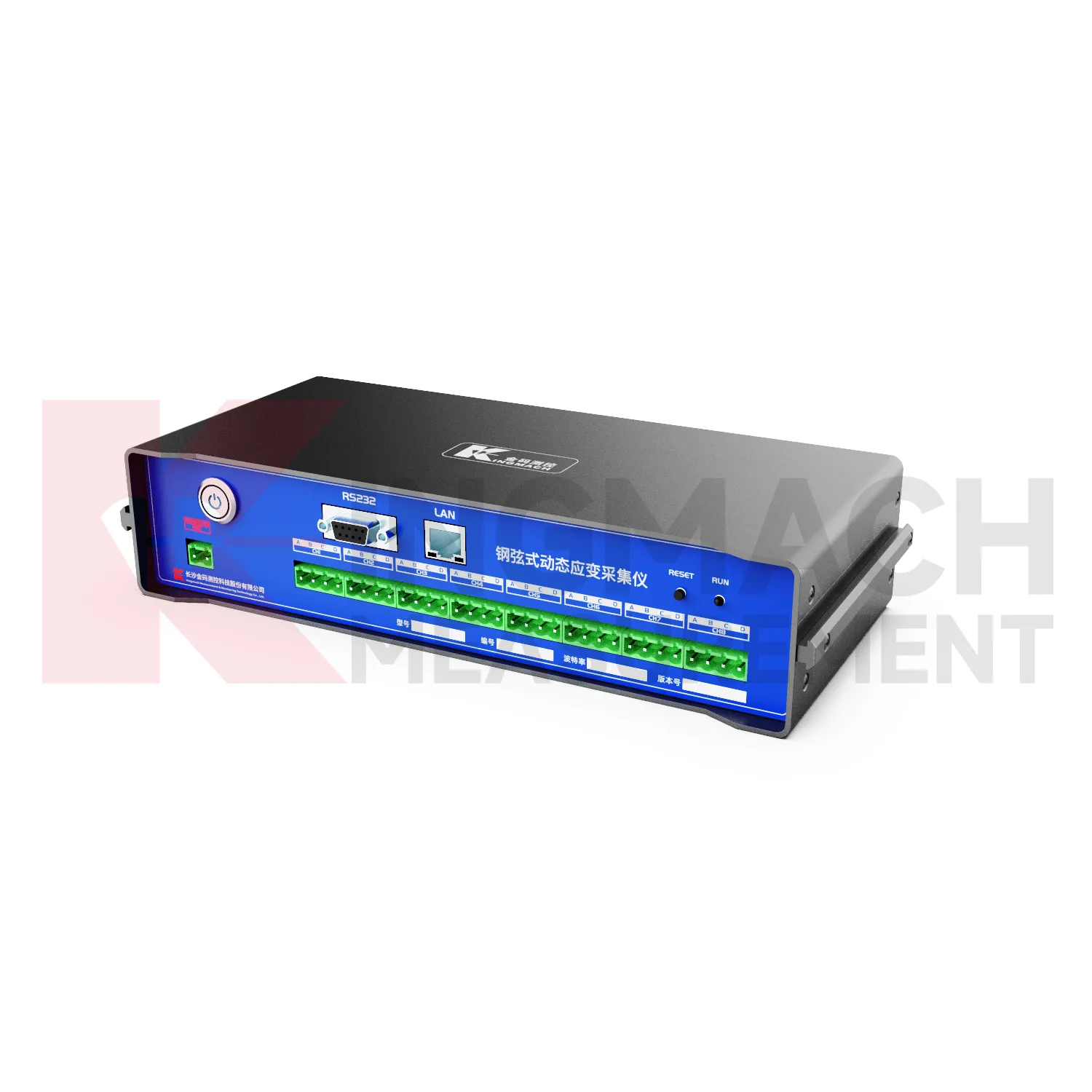
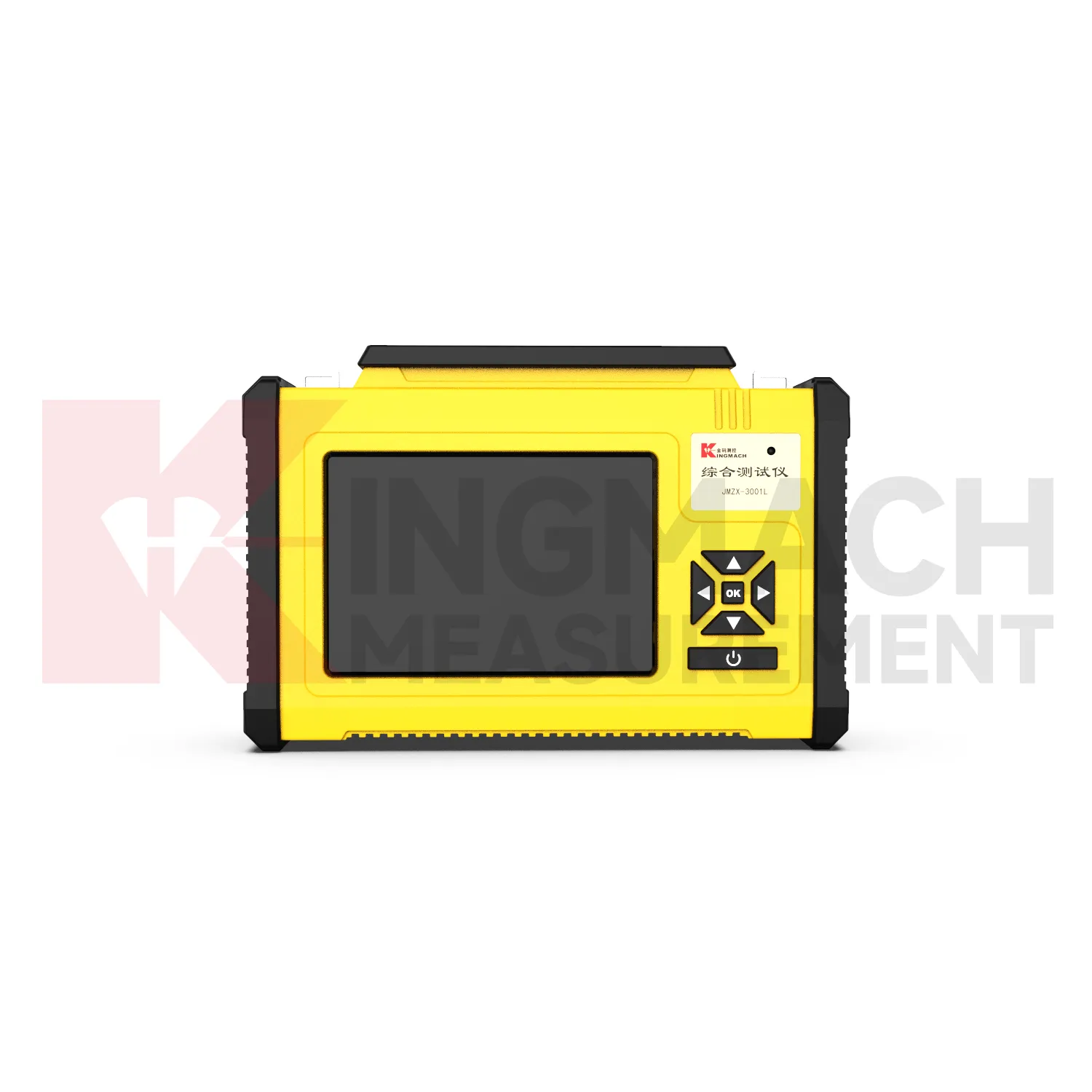
Kingmach wireless thermometer data logger are useful because different project phases need different data behavior. During installation, technicians need immediate values, sensor checks, and wiring confirmation. During construction, supervisors may need frequent records that reflect loading, excavation, pouring, rainfall, traffic, or blasting. During operation, owners may need stable long-term acquisition with clear handover records. A readout supports fast field interaction, while a logger supports continuity. Wireless acquisition reduces the need for repeated site visits when access is difficult. Dynamic instruments support short events where timing and channel synchronization affect interpretation. A complete device plan should define who checks the data, how abnormal readings are confirmed, and where raw and reviewed records are stored. The plan should also show how the acquisition method changes as the project matures. A temporary test may need portable equipment and immediate export, while a long-term station may need battery review, remote upload, and maintenance notes. This phase-based view helps owners avoid using one data method for every task. It also makes acceptance easier because each project phase has a clear data purpose, review method, and responsible team. That clarity reduces uncertainty when monitoring moves from contractor control to owner operation. safely and consistently. for everyone. on site. clearly.
Application of wireless thermometer data logger
Building and wind tower monitoring uses Kingmach wireless thermometer data logger when motion, strain, tilt, temperature, and environmental records must be connected to operating conditions. A portable dynamic acquisition readout can support vibration testing, equipment influence checks, or temporary event capture. Automatic data loggers can collect long-term records for structural response, construction effect, or maintenance review. In tall structures, wind, temperature, occupancy, equipment start-up, and nearby construction can all affect measured behavior. The acquisition record should therefore include event time, sensor position, channel identity, and related site notes. This helps engineers distinguish normal response from a pattern that deserves inspection. Wind tower and building projects also need records that connect structural response with weather and operating events. A vibration trace during high wind, a tilt change after equipment installation, or a strain change during construction work should be stored with the condition that caused it. Clear station names, floor levels, tower sections, and event notes help reviewers compare repeated behavior over time. This makes the acquisition device part of structural interpretation rather than a simple storage box. It also supports maintenance review when owners need to compare tower response, building equipment effects, and temporary construction influence across different operating periods. during engineering review.
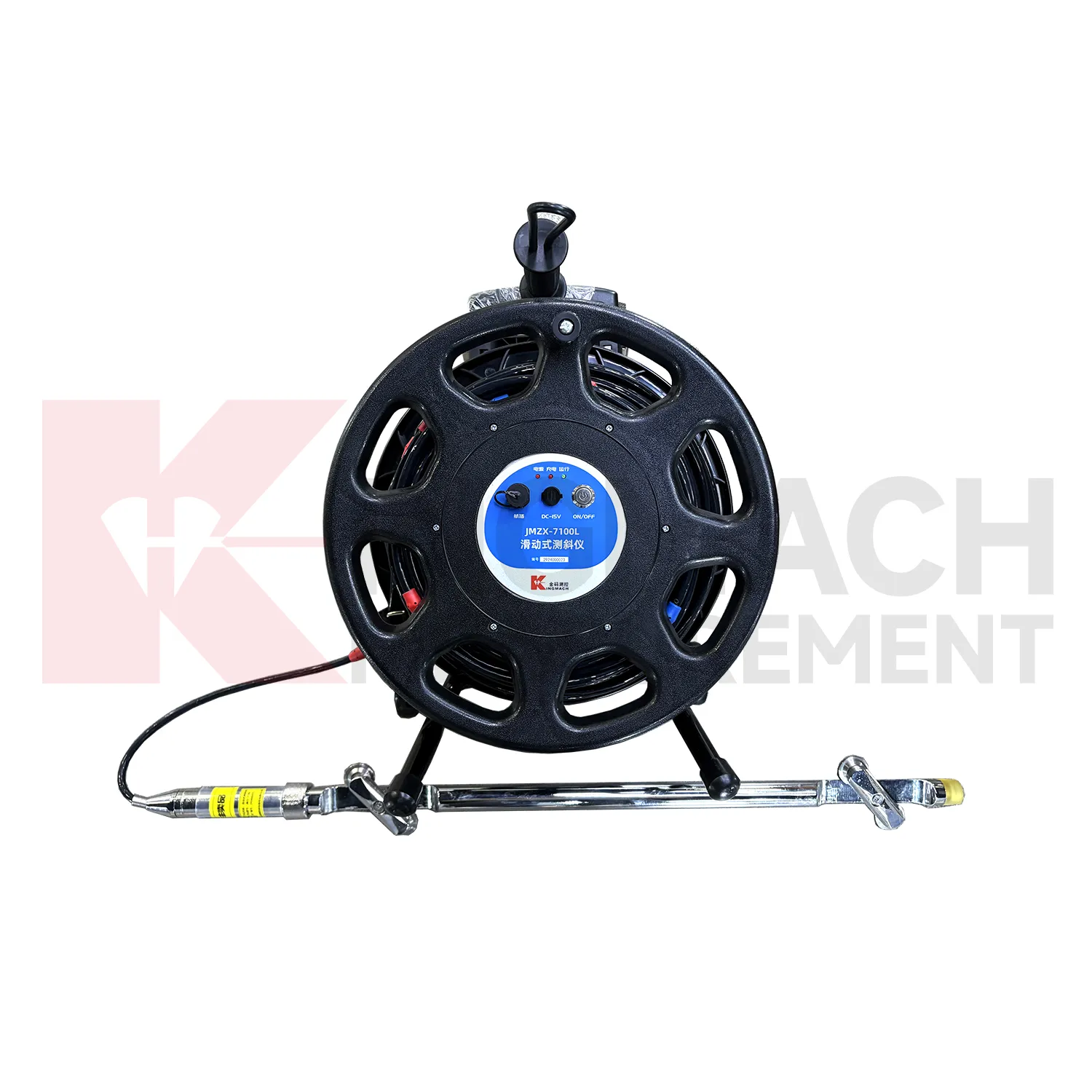
The future of wireless thermometer data logger
Future Kingmach wireless thermometer data logger will support cleaner integration between portable field checks and automatic data logging. A technician may verify a sensor with a handheld readout, then connect the same point to a logger for routine acquisition. The future workflow should keep these records aligned through consistent channel names, sensor identities, time stamps, and handover notes. This helps owners compare first values, commissioning checks, maintenance readings, and automatic trends without rebuilding the record manually. Better continuity will reduce confusion when projects move from installation to long-term operation. Future systems can also keep the first verified reading beside the later automatic trend. If a sensor is repaired, replaced, or moved, the handover note can show where the continuity changed. This will help owners understand whether a trend shift came from the monitored structure, the sensor point, or the acquisition setup. This continuity is especially useful when commissioning records must remain comparable with long-term operation data.
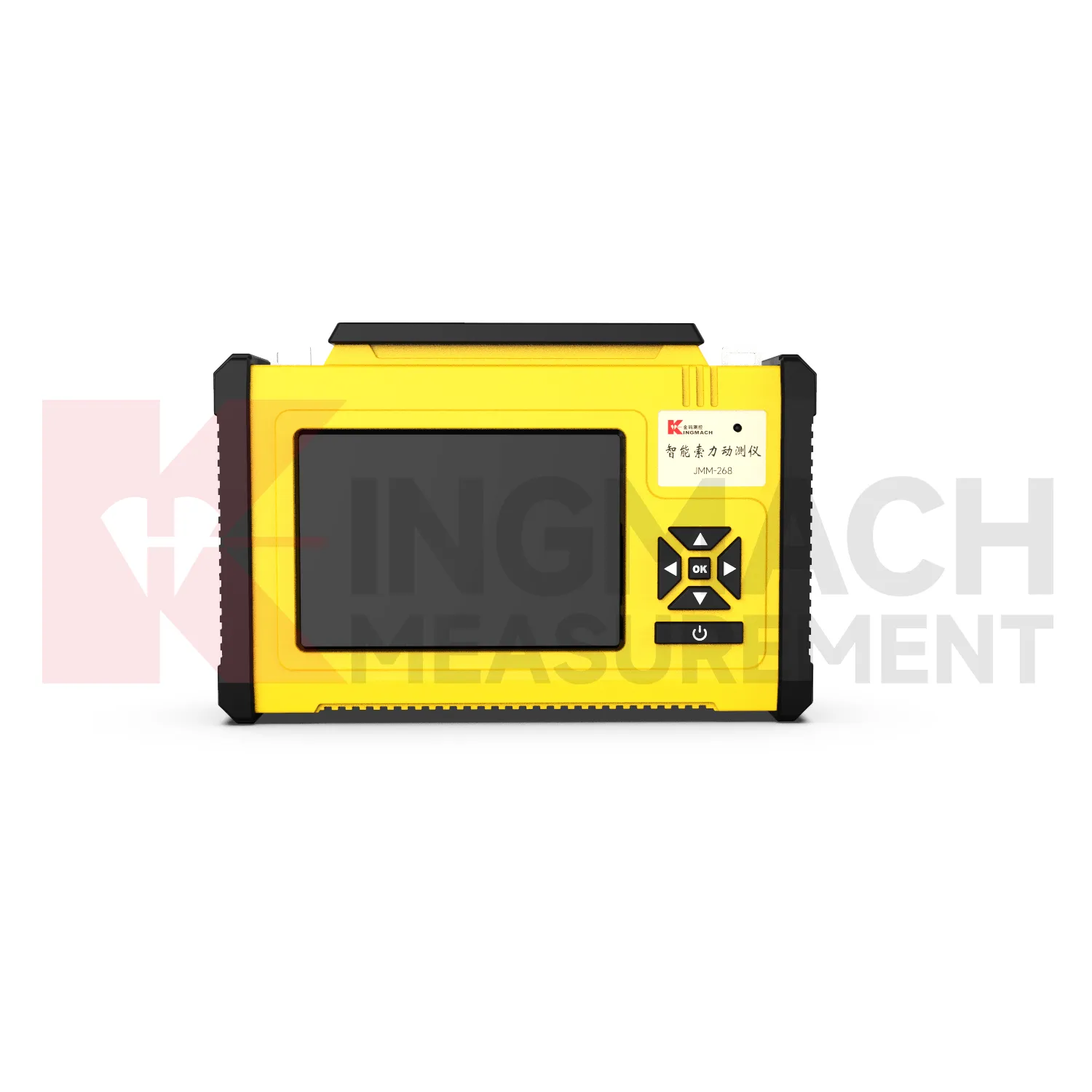
Care & Maintenance of wireless thermometer data logger
Portable readout maintenance for Kingmach wireless thermometer data logger should focus on field readiness. Before an inspection route, check battery charge, display condition, connectors, storage space, sensor cables, and export method. Field crews should also confirm that the device time is correct because time stamps are part of the monitoring record. After the route, export and back up readings before the next job overwrites or confuses the file. A readout that is ready before the visit saves time on site and reduces the chance of returning for missed measurements. Field readiness also includes route planning. The operator should know which sensors need verification, which cable adapters are required, and where previous values are stored for comparison. After the visit, any unusual reading should be linked with a point name and site condition. This keeps portable measurements useful after the crew has moved to the next structure. and supports later reporting. for owners. consistently.
Kingmach wireless thermometer data logger
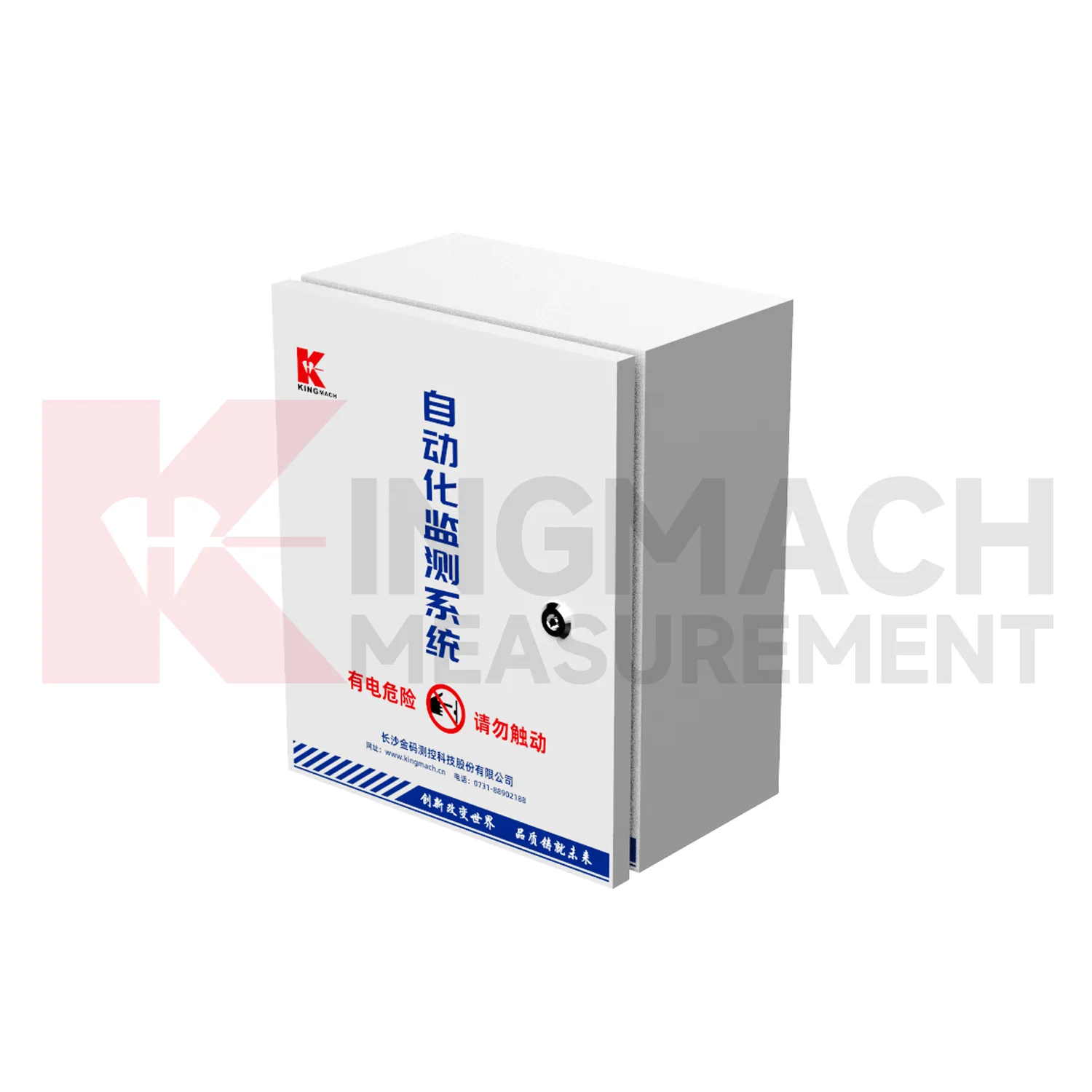
A strong monitoring system needs Kingmach wireless thermometer data logger that fit the sensor network and the site conditions. Some projects need a compact handheld unit for spot checks and commissioning. Others need a multi-channel data logger for vibrating wire sensors, dynamic strain, environmental points, or digital RS485 instruments. Remote sites may need low-power wireless acquisition with scheduled measurement and active upload. The important question is how the device helps the team keep a continuous, explainable record. Battery condition, enclosure protection, communication path, channel labels, and data export all influence whether the monitoring record can support maintenance, safety review, or construction control. For remote stations, the acquisition interval, upload status, battery condition, enclosure condition, and last maintenance visit should remain visible so unattended monitoring does not become a blind record. For dynamic tests, timing accuracy, event naming, channel synchronization, and signal conditioning help the team compare motion or strain events with construction activity, traffic, wind, or machinery operation.
FAQ
Q: How should devices be maintained?
A: Maintain batteries, connectors, labels, cable routes, enclosures, communication settings, storage, and exported records according to site conditions.
Q: Why record setting changes?
A: A changed interval, communication method, channel name, or firmware state can affect later interpretation, so the date and reason should remain visible.
Q: Can data be reviewed remotely?
A: Wireless and platform-connected devices can support remote review when communication, power, upload settings, and channel identity are configured correctly.
Q: What makes long-term records useful?
A: Long-term records stay useful when baseline values, maintenance notes, device status, sensor locations, and normal behavior examples remain available.
Q: What should buyers ask suppliers?
A: Buyers should ask about sensor compatibility, channel capacity, power planning, storage, communication, export format, field protection, and after-sales support. The record stays useful when point names, channel labels, sensor type, measurement time, and field condition are kept together, because later reviewers can connect the number with the actual structure and inspection history.
Reviews
Michael Anderson
The strain gauges and load cells are extremely accurate and stable. They performed very well in our bridge monitoring project. Highly recommended!
Christopher Martinez
Very satisfied with the readouts & data loggers. User-friendly interface and supports multiple sensor inputs.
Latest Inquiries
To protect the privacy of our buyers, only public service email domains like Gmail, Yahoo, and MSN will be displayed. Additionally, only a limited portion of the inquiry content will be shown.
Emma***@gmail.comCanada
Dear Sir/Madam, we are interested in displacement transducers and settlement sensors for a geotechni...
Evelyn***@gmail.comSouth Africa
Hi, we are a contractor working on tunnel construction and need settlement sensors and displacement ...
Related product categories
- Industrialgrade Central Acquisition Module
- Lowpower Central Acquisition Module
- Highprecision Central Acquisition Module
- Multitype Signal Central Acquisition Module
- RS485 Highspeed Bus Acquisition Module
- Digital Highspeed Bus Acquisition Module
- Vibrating Wire Signal Acquisition System
- Portable Dynamic Signal Acquisition Unit
- Central Acquisition Expansion Module
- Central Data Acquisition Host
- Intelligent Power Module
- Digital Intelligent Power Module