
 EN
EN
 ar
ar bg
bg hr
hr cs
cs da
da nl
nl fi
fi fr
fr de
de el
el hi
hi it
it ko
ko no
no pl
pl pt
pt ro
ro ru
ru es
es sv
sv tl
tl iw
iw id
id lv
lv lt
lt sr
sr sk
sk sl
sl uk
uk vi
vi et
et hu
hu th
th tr
tr fa
fa ms
ms hy
hy ka
ka ur
ur bn
bn mn
mn ta
ta kk
kk uz
uz ku
ku
Shielded Hydrological Cable
The JMZX-XPX test dedicated shielded wire is built for measurement tasks where the signal path passes through electrically busy work areas. Its composite shielding helps resist EMI and RFI, while high insulation and pressure resistance support precise sensor transmission in harsh environments. This makes it useful during commissioning, temporary testing, cabinet-to-sensor wiring, and routes near pumps, motors, welding areas, or power cabinets. The important feature is not length alone; it is the ability to keep a weak measurement channel readable when the surrounding site is noisy.
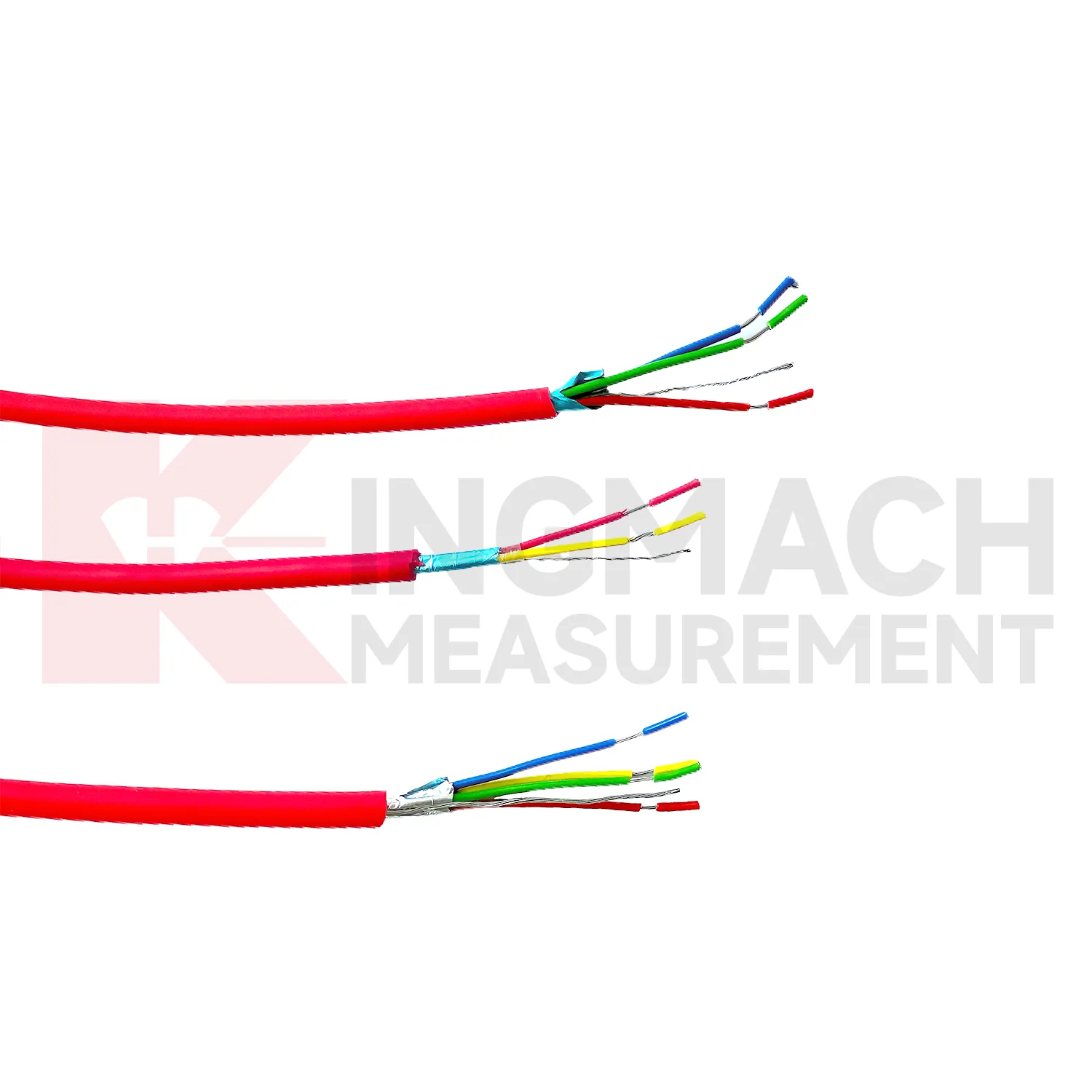
Application of Shielded Hydrological Cable
Wind tower monitoring uses Kingmach Shielded Hydrological Cable to connect strain, tilt, vibration, foundation, and environmental instruments exposed to moving structures and changing weather. Cables may run inside towers, around foundations, through junction boxes, or near power equipment. Shielding helps protect weak measurement signals near electrical systems, while wear resistance helps during repeated inspection or service work. When a tower vibration or tilt record changes, the team can inspect cable fixation, connector sealing, and cabinet entry before treating the reading as a structural issue.
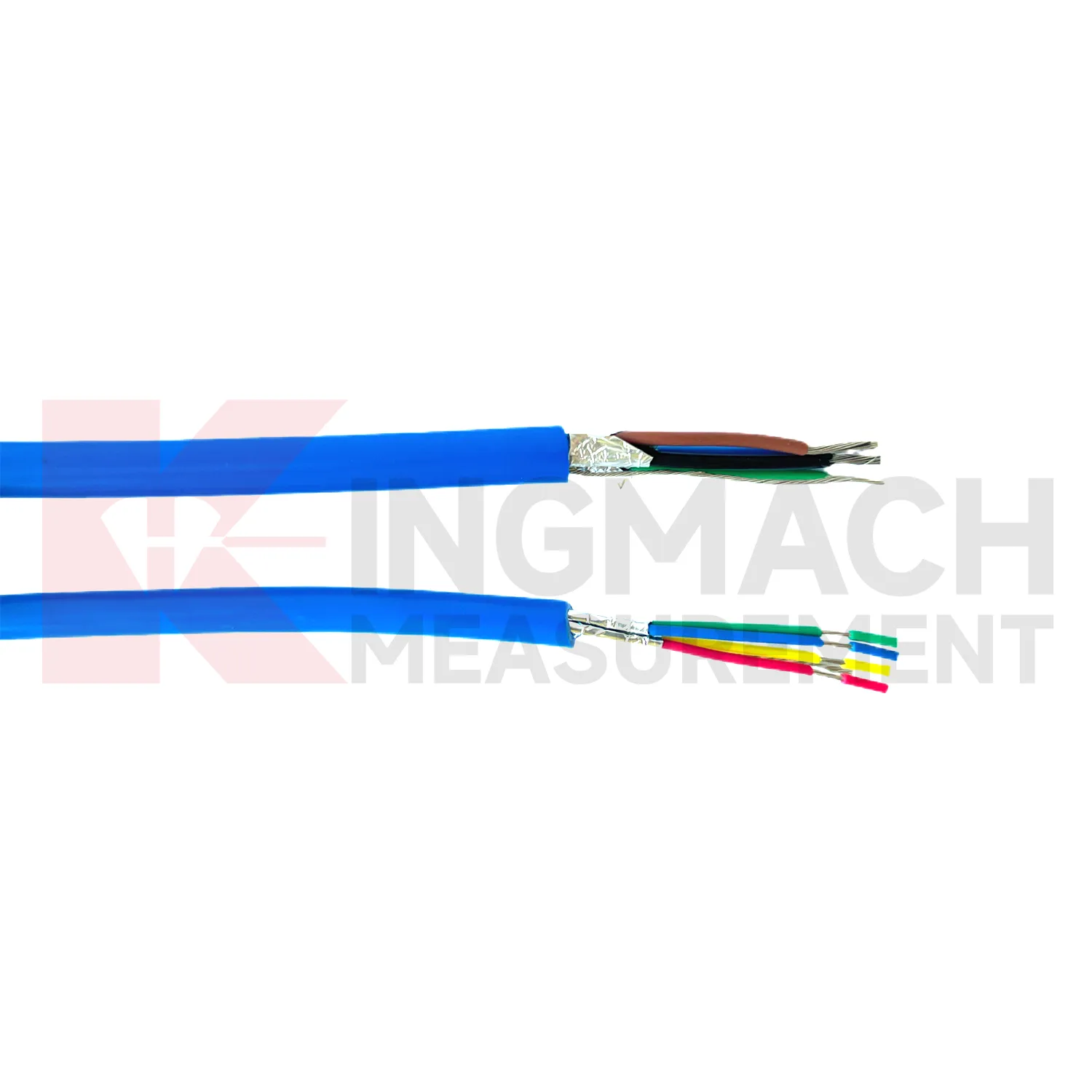
The future of Shielded Hydrological Cable
Digital twin projects will use Kingmach Shielded Hydrological Cable as part of the physical link between a real structure and its virtual record. A twin needs sensor data that can be traced back to known points, known channels, and known installation routes. Cable documentation will therefore become part of the model history, not merely a maintenance note. When a bridge, dam, tunnel, or building record changes, reviewers can check both structural behavior and cable condition before updating risk status or maintenance plans.
Care & Maintenance of Shielded Hydrological Cable
Protect Kingmach Shielded Hydrological Cable from moisture at cable ends and cabinet entries. Even a cable with strong water-resistant behavior can fail if the termination is left open, poorly sealed, or exposed during maintenance. In hydraulic work, check glands, junction boxes, conduits, and any low points where water may collect. After heavy rain, flooding, cleaning, or wet construction work, inspect affected cable routes before relying on abnormal readings. Dry and sealed terminations help preserve signal quality over long monitoring periods.
Kingmach Shielded Hydrological Cable
A reliable monitoring chain needs Kingmach Shielded Hydrological Cable because sensor signals often travel through harsh physical zones before reaching a recorder. The cable may cross a bridge deck, run along a tunnel wall, pass through a wet gallery, sit near a pump room, or bend into a sealed cabinet. Each section adds risk: abrasion, pulling force, water entry, electromagnetic noise, or accidental damage during maintenance work. JMZX-XPX focuses on low-loss shielded transmission for precise testing. JMZX-XSX focuses on hydraulic environments where pressure resistance, tensile strength, and water resistance carry more weight. Matching those roles keeps field data closer to the real sensor output.
FAQ
Q: What should be checked before pulling cable?
A: Confirm the drawing route, conduit condition, bend radius, wet sections, nearby power equipment, and cabinet entry position.
Q: How should a shielded cable route be handled?
A: Keep it away from strong electrical sources where possible and maintain the intended shielding practice at termination.
Q: Why are cable ends important?
A: Open or poorly sealed ends can let moisture enter the route and create unstable readings long after installation.
Q: What commissioning signs suggest a cable issue?
A: Repeated spikes, channel dropouts, flatline data, or readings that change when nearby equipment starts can point to the route.
Q: Why keep installation photos?
A: Photos show route position, cabinet entry, labels, and later changes, which makes troubleshooting faster.
Reviews
Andrew Lee
The visualization software is intuitive and powerful. It helps us analyze monitoring data efficiently.
Joshua Clark
We ordered a full monitoring solution including sensors and data loggers. Everything works seamlessly together. Great supplier!
Latest Inquiries
To protect the privacy of our buyers, only public service email domains like Gmail, Yahoo, and MSN will be displayed. Additionally, only a limited portion of the inquiry content will be shown.
Charlotte***@gmail.comUnited Arab Emirates
Hi, we require instrumentation cables suitable for harsh environments. Could you advise on specifica...
Sophia***@gmail.comUnited Kingdom
Good day, we need environmental monitoring sensors including temperature, humidity, and wind sensors...