
 EN
 ar
 bg
 hr
 cs
 da
 nl
 fi
 fr
 de
 el
 hi
 it
 ko
 no
 pl
 pt
 ro
 ru
 es
 sv
 tl
 iw
 id
 lv
 lt
 sr
 sk
 sl
 uk
 vi
 et
 hu
 th
 tr
 fa
 ms
 hy
 ka
 ur
 bn
 mn
 ta
 kk
 uz
 ku

Accelerometer(triaxial -axis)
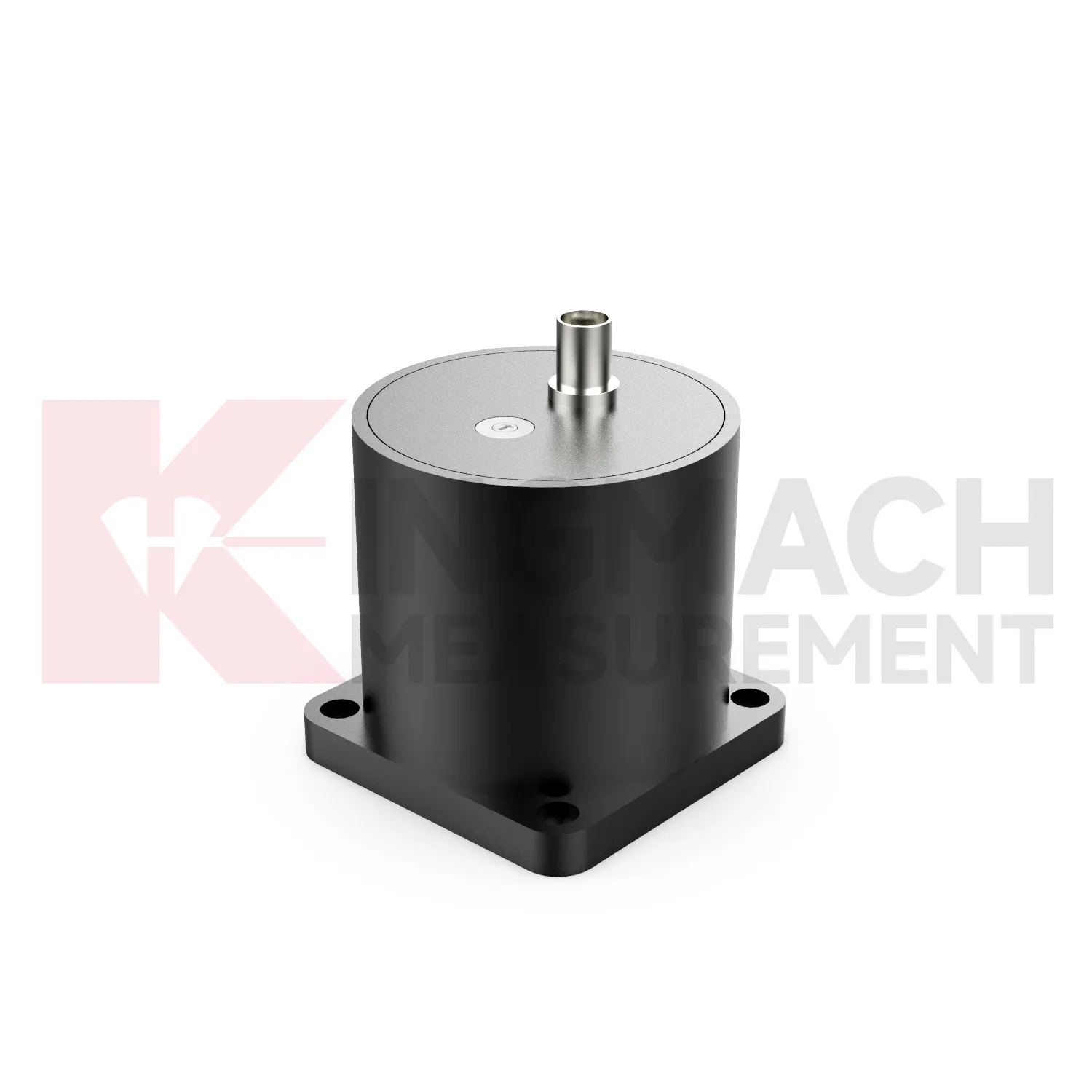
Kingmach Accelerometer(triaxial -axis) are suited to projects where dynamic response must be captured reliably rather than guessed from observation. Bridge cable systems, building floors, industrial structures, railways, tunnels, machinery foundations, and ground-motion stations all produce signals that need context. Some signals are strong and event-driven; others are weak and slow. Some need one direction; others need three. A careful product explanation should guide readers toward these distinctions without turning the text into a list of models. The right message is about measurement purpose, not product stacking. In the field, that same purpose should guide where the sensor is mounted, how the acquisition is configured, and how the result is reviewed after each important event.
For high-risk assets, inspection timing should follow events as well as calendar dates. After impact, blasting, severe weather, unusual vibration, or equipment maintenance, the sensor and the data path both deserve a quick check.
For field teams, the record is strongest when the waveform is tied to a named event and a known physical point. The note should state what was operating, what changed on site, whether other instruments reacted, and whether the motion repeated under similar conditions.
A useful dynamic record needs both signal quality and site context. Mounting condition, axis direction, cable stability, acquisition timing, and event labeling all affect whether the data can support an engineering decision after review.
Application of Accelerometer(triaxial -axis)
Building vibration monitoring uses Kingmach Accelerometer(triaxial -axis) when occupants, equipment, nearby construction, traffic, or structural flexibility create motion that needs a measured record. The task may involve a floor, column, machine base, roof structure, or adjacent building. Acceleration data helps determine whether the motion is occasional, continuous, low-frequency, impact-related, or tied to a specific operating condition. A useful building record includes sensor location, mounting method, axis direction, activity during measurement, and related crack or settlement observations. This makes the result understandable to engineers, owners, and maintenance teams. It also helps separate comfort concerns from structural concerns. A floor that vibrates during machine operation may need a different response from a wall that moves during excavation nearby.
In occupied buildings, the review should connect measured motion with time of day, equipment schedules, tenant reports, nearby road activity, and any construction work. This human and operational context helps explain why a vibration is noticed, when it occurs, and whether it repeats under the same conditions.
The field team should also keep the point discreet but verifiable. A sensor hidden from accidental contact still needs a clear photo, point name, and axis record. That balance protects the device while giving engineers enough information to compare future measurements.

The future of Accelerometer(triaxial -axis)
The future of Kingmach Accelerometer(triaxial -axis) will make long-term asset records more useful. Dynamic response can change as a bridge ages, a cable is adjusted, a machine foundation settles, or a building is modified. When acceleration records are stored with event notes, maintenance history, and related sensor data, owners can compare present behavior with past behavior. That long view helps separate one-time events from gradual change. A mature monitoring record turns vibration measurement into part of asset management. It also helps teams decide whether to inspect, continue observing, adjust equipment, or compare a new event with an earlier one.
Future asset records should preserve examples of normal behavior, not only alarms. A bridge, tunnel, machine base, or building floor may have a familiar vibration pattern during routine operation. Keeping those examples helps reviewers judge whether a later event is genuinely new.
This long view also supports budgeting. If certain points show repeated events after maintenance, weather, or operating changes, owners can plan inspection and repair work around evidence rather than reacting to isolated traces.
Care & Maintenance of Accelerometer(triaxial -axis)
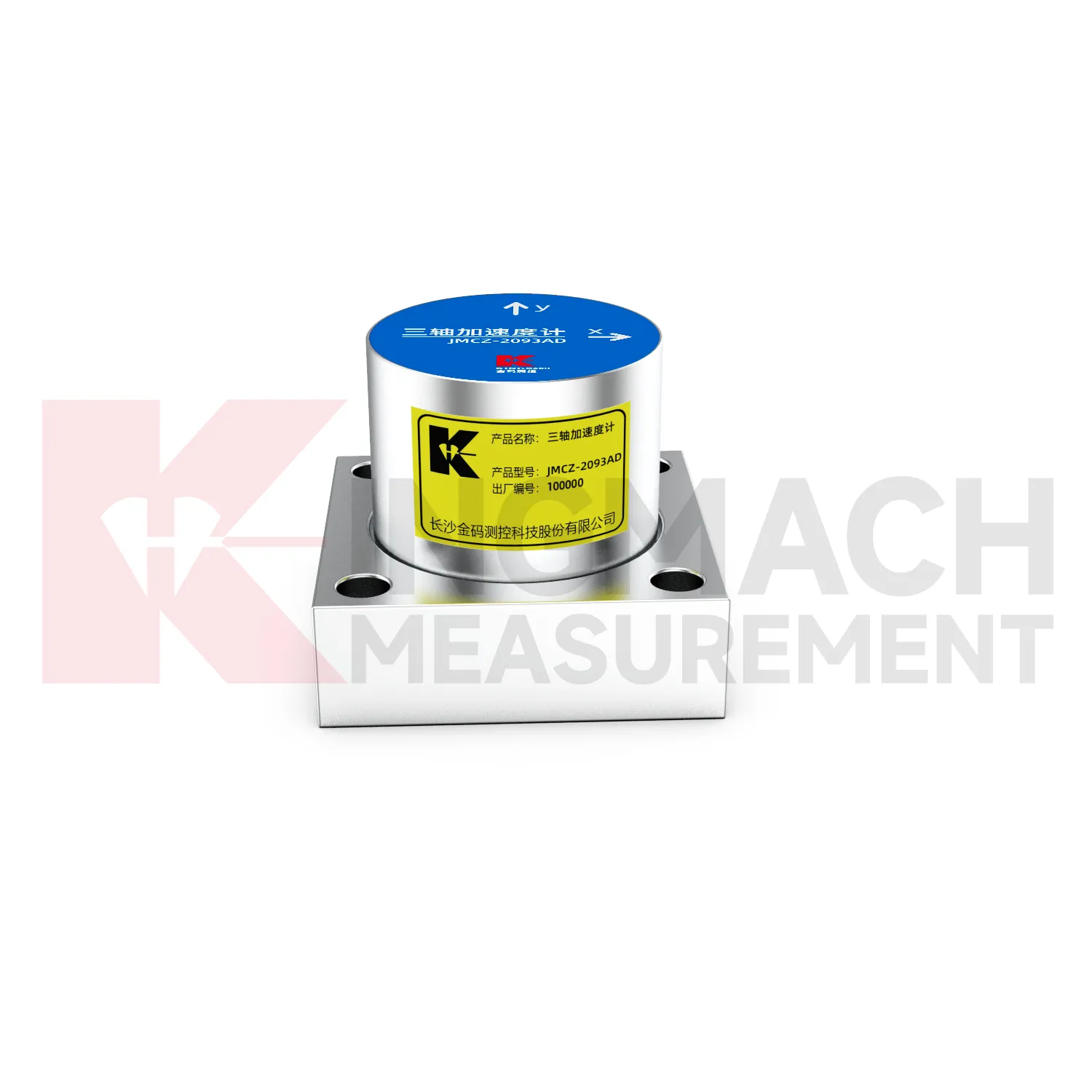
Care and maintenance of Kingmach Accelerometer(triaxial -axis) should begin with mounting. The sensor must be fixed to a surface that moves with the structure being measured. Loose bolts, flexible plates, paint layers, temporary brackets, or nearby cable vibration can all create misleading data. Before acceptance, record the mounting location, surface condition, axis direction, and first test record. During inspection, check that the sensor has not been struck, loosened, covered, or moved. Good mounting care protects the meaning of every later waveform. If the point is disturbed, the maintenance record should say when it happened and whether the following data remains comparable.
During interpretation, the team should compare the motion with nearby strain, displacement, tilt, load, wind, temperature, traffic, machinery, or construction notes. That wider view helps separate normal response from a pattern that needs inspection.
If the reading changes suddenly, the first check should include the sensor attachment, cable route, connector, channel name, and recent field activity. This prevents a maintenance issue from being mistaken for structural behavior.
Kingmach Accelerometer(triaxial -axis)
Kingmach Accelerometer(triaxial -axis) also support weak-vibration work, where small movement can be hard to separate from noise. Ground pulsation, flexible structures, quiet machinery areas, and low-frequency building response all require stable installation and careful data review. Anti-interference performance and proper acquisition settings help, while site discipline keeps the record easier to interpret. The engineer should know what nearby equipment was running, whether construction was active, and whether wind, traffic, or people were present during the record. Weak signals become useful when the background conditions are documented. Repeated patterns under similar conditions carry more meaning than a single unexplained spike.
Weak-vibration records should be treated patiently. A quiet trace may still be useful because it defines the normal background for the point. When a later event appears, the team can compare it with that calm record and decide whether the change is real.
Field notes are especially important at this sensitivity level. Foot traffic, small equipment, doors, temporary pumps, or nearby vehicles can influence a trace. Recording those conditions keeps the review honest and prevents ordinary background activity from being mistaken for structural change.
FAQ
Q: What maintenance do Kingmach Accelerometer(triaxial -axis) need?
A: Check mounting, cable condition, connector sealing, axis label, acquisition status, cabinet condition, and recent site disturbance.
Q: How often should they be inspected?
A: Frequency depends on asset risk, access, vibration level, and whether construction or severe weather is active nearby.
Q: What should be checked after a strong event?
A: Inspect sensor attachment, cable route, cabinet, data completeness, event labels, and related structural readings.
Q: Can software changes affect data?
A: Yes. Platform or acquisition changes can affect channel names, timing, storage, triggers, and analysis settings.
Q: How should replacement be documented?
A: Record old and new equipment, location, reason, date, technician, first test record, and any change to axis or channel name.
Dynamic data can be sensitive to small field changes. A new bracket, nearby machine, temporary work platform, changed cable route, or software update can alter the record, so those changes belong in the maintenance history.
Reviews
Andrew Lee
The visualization software is intuitive and powerful. It helps us analyze monitoring data efficiently.
Christopher Martinez
Very satisfied with the readouts & data loggers. User-friendly interface and supports multiple sensor inputs.
Latest Inquiries
To protect the privacy of our buyers, only public service email domains like Gmail, Yahoo, and MSN will be displayed. Additionally, only a limited portion of the inquiry content will be shown.
Ava***@gmail.comAustralia
Hi, I am looking for reliable tiltmeters and accelerometers for structural health monitoring. Please...
Harper***@gmail.comIndia
Dear Sir, we are planning to procure a complete monitoring system including strain gauges, tiltmeter...